


Why Incineration Is Essential in Medical Waste Management
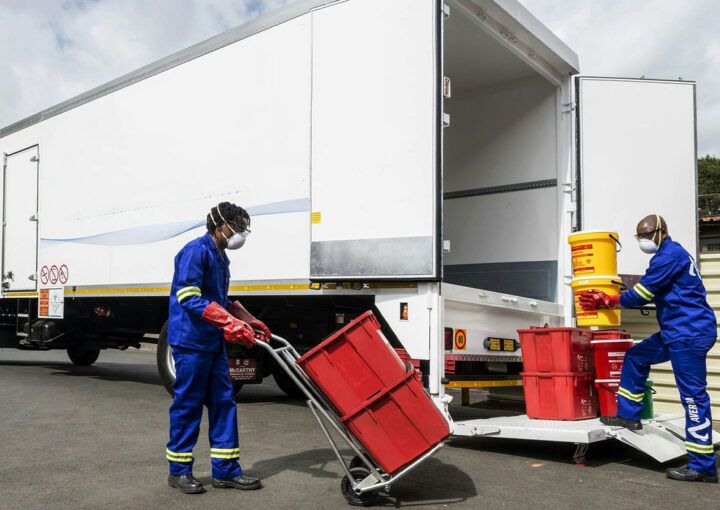
Medical activities have been steadily increasing worldwide. This brings a practical challenge: hospitals, clinics, and laboratories generate large amounts of medical waste every day. Such waste cannot be treated as ordinary garbage.
Improperly handled medical waste is especially dangerous. It may contain harmful microorganisms that pose a risk of infection transmission. Some waste also includes toxic chemicals. If not properly managed and disposed of, these materials can leach into soil and water sources, causing long-term environmental contamination.
Incineration (high-temperature combustion) is one of the key methods for treating this type of hazardous medical waste. Its core value lies in two aspects: first, the use of extremely high temperatures effectively destroys all pathogenic microorganisms that may exist in the waste; second, it greatly reduces the volume and weight of the waste, minimizing the residual material that ultimately requires landfill disposal. This makes it an efficient and volume-reducing treatment method.
This method must comply with the recommendations of the World Health Organization (WHO) and regional regulations for medical waste management and safety standards. With increasing emphasis on environmental protection and efficiency, many medical institutions worldwide are upgrading their treatment equipment, adopting more advanced medical waste incineration systems with stricter emission control standards.
What Is a Medical Waste Incinerator?
A medical waste incinerator is specialized equipment designed for the safe and thorough disposal of medical waste. At its core, it is a high-temperature thermal treatment system capable of burning hazardous waste under controlled conditions. It is an effective disposal method for infectious waste, sharps, contaminated dressings, and certain pharmaceutical residues originating from hospitals or laboratories.
Depending on the application and the volume of waste generated, incineration equipment is categorized into different types:
- Small-scale units:Commonly found in clinics, dental offices, or small township hospitals. These are installed on-site to handle the small quantity of medical waste generated daily or weekly.
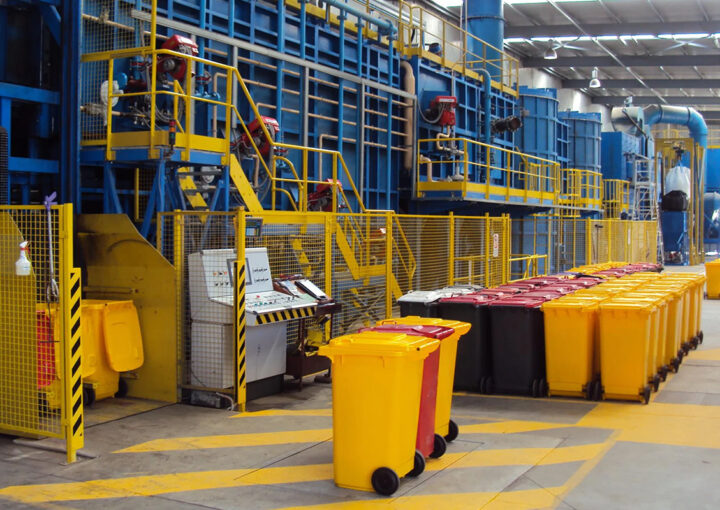
- Medium and large-scale systems: Usually installed in large general hospitals or centralized medical waste treatment facilities. They handle large quantities of waste collected from multiple institutions. Some centralized facilities are dedicated exclusively to medical waste processing.
The primary objectives of these systems are twofold:
- Hazard elimination: Through continuous high-temperature combustion, all pathogenic microorganisms (bacteria and viruses) present in the waste are effectively destroyed. The high temperature also breaks down many hazardous organic chemical wastes.
- Volume reduction: After incineration, the residual ash is significantly reduced in both size and weight—often by 80% or more compared to the original waste—greatly easing the burden of final disposal.
Medical waste incinerators are commonly used in facilities requiring daily sterilization of hazardous waste. These include large hospitals, medical research laboratories, pharmaceutical manufacturing companies, and centralized medical waste collection and treatment centers.
Key Components of a Medical Waste Incinerator
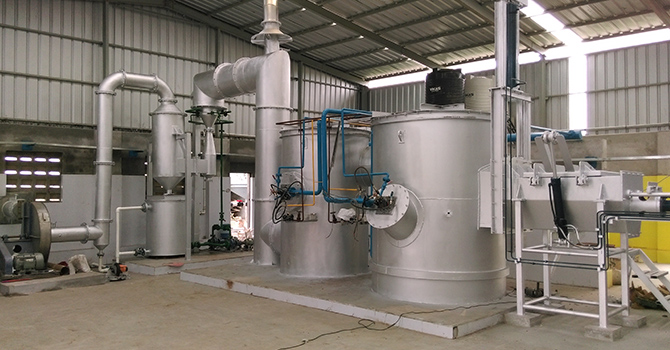
The proper operation of a medical waste incinerator depends on the coordinated function of several core structural parts. Below is an overview of the key components and their functions:
Primary Combustion Chamber
- This is the area where the waste is fed and begins to burn and decompose.
- The design of this combustion zone focuses on two primary requirements: ensuring that air can circulate smoothly and mix with the waste, and that heat can be evenly distributed throughout the chamber.
- Because the internal temperature is extremely high, the chamber walls must be constructed with special refractory and insulation materials to protect the structure from heat damage.
Secondary Combustion Chamber (Afterburner)
- Gases and small combustion residues leaving the primary chamber are sent into this secondary zone for a longer and more intense combustion process.
- The key role of this section is to further eliminate hazardous substances in the exhaust gases—especially those not fully combusted in the first stage, such as difficult-to-decompose chemical compounds.
- This chamber is typically equipped with additional gas burners and automatic temperature control sensors to maintain the required combustion conditions and ensure complete thermal oxidation.
3. Flue Gas Treatment and Filtration System
- The high-temperature flue gases produced during combustion cannot be released directly into the atmosphere—they must undergo multistage purification and filtration.
- The first step typically involves capturing solid particulates such as ash and dust.
- Subsequent steps may include water scrubbing to absorb acidic gases, injection of activated carbon powder to adsorb fine particulates and metallic residues, and other physical or chemical purification methods.
- This system plays a critical role in significantly reducing the proportion of fine particles, heavy metals, and other harmful gaseous compounds in the emissions. It ensures that the equipment meets regional or internationally recognized emission standards.
4. Chimney (Discharge Channel)
- This component serves as the final outlet through which the purified gases are released into the atmosphere.
- The outlet height and structural design ensure that the treated gases can disperse and dilute effectively in the surrounding air, minimizing the concentration of residual emissions in nearby areas.
How Does a Medical Waste Incinerator Work?
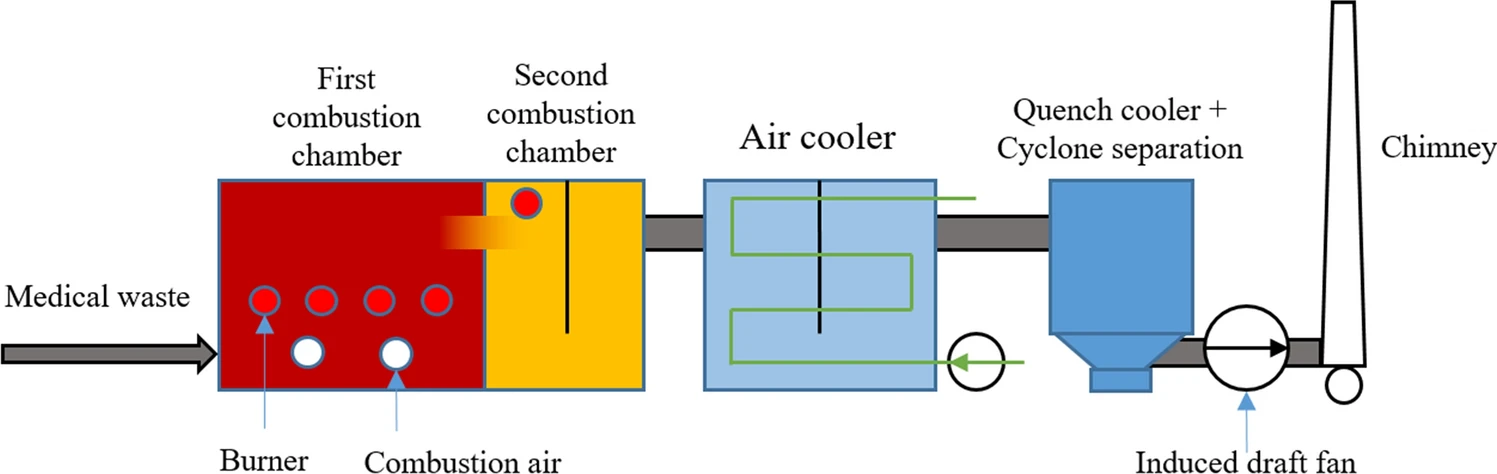
Step 1: Waste Loading
- Operators load the medical waste into the incinerator in batches, according to the designed treatment capacity.
- Depending on the equipment model, loading and unloading may be done manually or automatically.
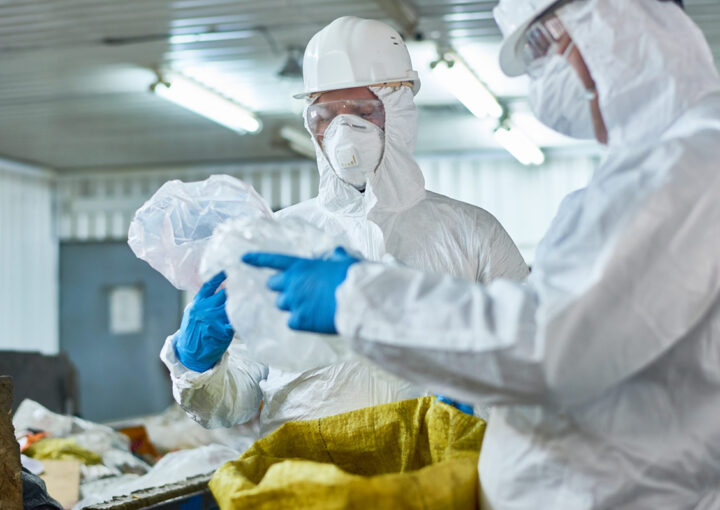
- The waste may include discarded needles, surgical blades, blood-stained or contaminated dressings and instruments, used sutures, or isolation materials.
- Purpose:To prepare the waste for thermal treatment.
Step 2: Primary Combustion
- The waste is fed into the primary combustion chamber, where ignition begins and the material goes through several burning phases.
- The incinerator operates at high temperatures (≥950°C).
- At this stage, the process focuses on the solid phase—heating and decomposing organic components through prolonged exposure to extreme heat.
- Residual ash remains and is later removed from the side outlet, while gaseous particles pass into the gas treatment section.
- Purpose: To convert solid medical waste into ash and volatile components carried by the hot gas flow.
Step 3: Secondary Combustion
- The gases generated during the primary combustion stage are directed into the secondary combustion chamber.
- Here, the temperature is even higher (≥1050°C), and air circulation is stronger to achieve complete combustion.
- The gases remain in this chamber for a longer period, ensuring that residual organic substances and volatile hydrocarbons are thoroughly oxidized.
- Purpose:To purify the gas stream by eliminating organic micro-particles and potentially harmful volatile compounds.
Step 4: Gas Cooling and Filtration
- After leaving the secondary combustion chamber, the purified gases enter a cooling unit where the temperature is gradually reduced to a level suitable for filtration.
- Cooling prepares the gas stream for subsequent purification processes, which may include multiple stages such as:
- Dust capture: removing suspended solid particles;
- Water scrubbing: neutralizing acidic gases (e.g., hydrochloric vapors produced by pharmaceutical residues);
- Activated carbon injection: adsorbing metallic dust and residual organic pollutants.
- Purpose: To minimize airborne particle and chemical contamination risks before gas discharge.
Step 5: Emission and Ash Handling
- The treated gas then passes through the exhaust channel (chimney) and is released into the atmosphere according to design specifications.
- At the lower end of the system, the ash chamber collects the solid residues generated during the initial combustion phase.
- Operators periodically remove the ash and package it according to local environmental regulations for final disposal, which typically includes stabilization and secure landfilling.
- Purpose: To ensure that the emitted gases meet environmental standards and that the solid waste is safely managed and rendered harmless.
Differences Between Medical Waste Incineration and Other Treatment Methods
Common methods for medical waste disposal
| Treatment Method | Operating Temperature Range | Effectiveness in Eliminating Microorganisms | Residual Material | Suitable Medical Waste Types |
| Incineration | About 850–1200°C | Complete destruction | Very little residue (only small amounts of cooled ash) | Infectious materials containing viruses and bacteria, sharps, contaminated dressings, pharmaceutical waste, and other hazardous medical waste |
| High-Temperature Steam (Autoclaving) | Typically 121–134°C | Generally effective | Large quantities of solid residue remain after treatment | Non-sharp infectious waste (cotton, bandages, non-resistant protective equipment) |
| Chemical Disinfection | Ambient temperature (no heating) | Effective against some microorganisms | Liquid residue containing chemical substances after treatment | Liquid biological waste suitable for chemical soaking; not applicable for solid waste |
Core Advantages of the Incineration Method
Compared with autoclaving and chemical disinfection, medical waste incineration technology offers the following distinct advantages:
- Stronger sterilization effect: Stable high-temperature combustion ensures complete destruction of bacteria, viruses, and other pathogens.
- Significant waste reduction:Waste is converted into a small amount of safe, stable ash, greatly simplifying final disposal.
- Broader applicability: Suitable for almost all types of medical waste—including infectious materials, pathological tissue, and chemical residues.
In contrast, the two traditional methods (steam and chemical treatment) have certain limitations:
- Autoclaving and chemical treatment are not effective for waste containing pathological tissue, chemical reagents, or pharmaceutical residues.
- If used improperly, they can lead to incomplete treatment and potential secondary contamination risks.
Environmental Considerations and Emission Control
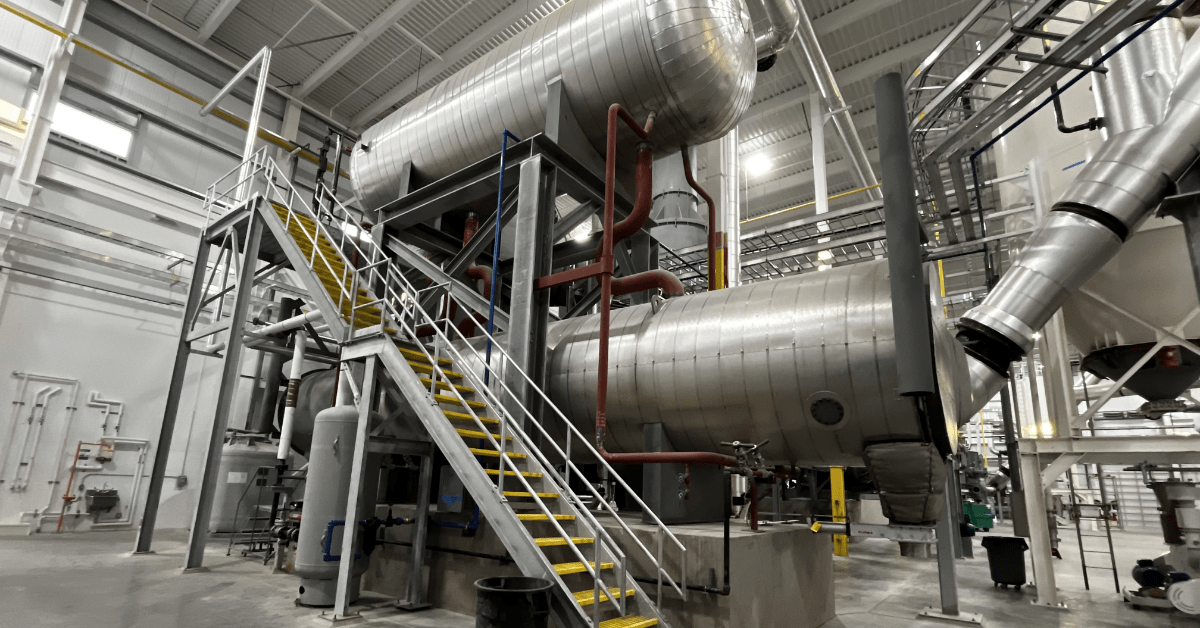
During the operation of a medical waste incinerator, advanced technical design and air pollution control (APC) systems are implemented to significantly minimize environmental impact.
The following outlines the key operational standards and management procedures:
International Operational and Emission Standards
All incinerator designs and operations must strictly comply with the following regulatory frameworks:
- World Health Organization (WHO) – Recommendations for solid waste management.
- European Union Directive 2000/76/EC – Technical requirements for waste incineration facilities.
- United States Environmental Protection Agency (EPA) – Limits on emissions from incineration systems.
These three sets of standards establish threshold limits for particulate matter, heavy metals (such as cadmium, mercury, and lead), dioxins, furans, and other hazardous chemical emissions within flue gases.
Flue Gas Purification Process
Before discharge, all flue gases emitted from the incinerator undergo intensive purification processes:
- High-Temperature Reburning Unit (Gas Afterburner):
This unit subjects the gases to secondary high-intensity combustion, ensuring complete oxidation of any remaining combustible or hazardous components.
- Wet Scrubbing System:
Aqueous scrubbing solutions—such as calcium carbonate slurry or alkaline liquids—neutralize acidic gases like sulfur oxides and nitrogen/phosphorus compounds generated during combustion.
- Activated Carbon Adsorption Module:
The gas stream passes through activated carbon layers that capture trace heavy metal vapors and residual organic micro-pollutants, including dioxins.
3. Energy Recovery System
Modern medical waste incinerators are often equipped with waste heat recovery systems.
- A heat exchanger captures thermal energy from high-temperature flue gases.
- The transferred heat can then be used for electricity generation, process heating, or HVAC applications within the facility.
This not only reduces operational energy consumption but also supports sustainable and energy-efficient facility management.
4. Regular Maintenance and Continuous Monitoring
To ensure long-term compliance with environmental and safety standards, the following monitoring and maintenance practices are essential:
- Continuous Monitoring Instruments:
– Equipped with real-time sensors that measure dust concentration, carbon monoxide, nitrogen oxides, and other combustion by-products.
– Continuous logging of temperature levels in the primary and secondary combustion chambers ensures consistent operating conditions.
- Scheduled Inspection:
– Monthly inspection of filter pressure drops and filtration efficiency.
– Semi-annual testing of heavy metal and dioxin emission levels according to international requirements.
All operating and emission data must be recorded and archived for compliance verification and environmental audits.
Safe and Sustainable Medical Waste Treatment Solutions
As a core method in infectious waste management, medical waste incineration ensures the complete destruction of pathogens through high-temperature treatment while significantly reducing the overall volume of waste.
When properly operated under internationally recognized emission standards, it achieves environmentally safe and sustainable disposal outcomes.
The BiosafePro series of medical waste incinerators offers three major advantages to meet the needs of various operational scenarios:
- Modular Adaptability:Flexible system configurations cover a wide range of installations—from compact, portable units for small clinics to large-scale setups for regional treatment centers.
- Advanced APC Multistage Purification:Integrated systems combine secondary combustion, wet scrubbing, and activated carbon adsorption to achieve ultra-low emission levels that meet international environmental standards.
- Global Compliance Solutions:Designed for international distributors and medical infrastructure projects, BiosafePro provides customized technical support and documentation that align with regional certification and import requirements.
For detailed technical specifications and certification documents of the BiosafePro Medical Waste Incineration System.