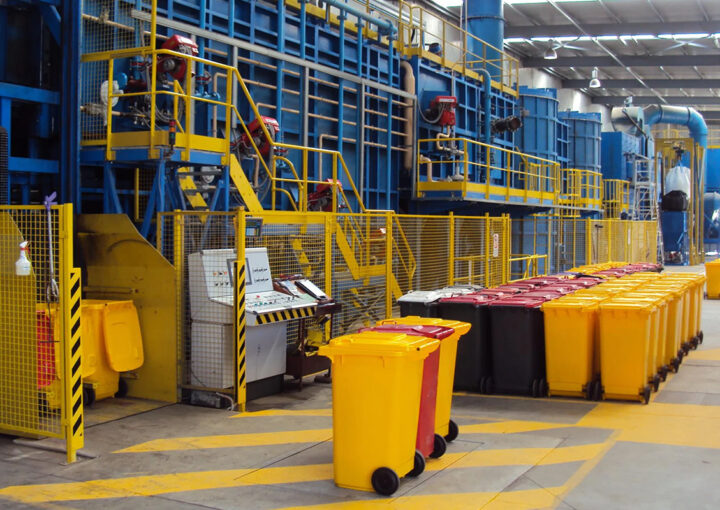



Selecting a incinerador de residuos médicos is one of the most significant capital and operational decisions a healthcare facility can make. It involves public health, regulatory compliance, environmental stewardship, and long-term financial commitment. While manufacturers provide essential specifications, the full picture of performance, risk, and total cost often remains in the shadows of technical datasheets. True preparedness requires looking beyond the quoted medical waste incinerator price to understand the complete lifecycle of the technology.
Why the Medical Waste Incinerator Conversation is More Critical Than Ever
Healthcare waste volumes continue to rise, driven by complex surgical procedures, increased use of disposables, and global health pressures. Simultaneously, environmental regulations and community scrutiny of emissions are intensifying worldwide. An incinerator is not merely a piece of equipment; it is the core of a facility’s waste treatment strategy, carrying direct implications for staff safety, regulatory standing, and community relations. A decision based solely on upfront incinerator cost can lead to operational paralysis, unexpected capital outlays, and non-compliance penalties that far exceed any initial savings.
Beyond Basic Incinerator Specifications
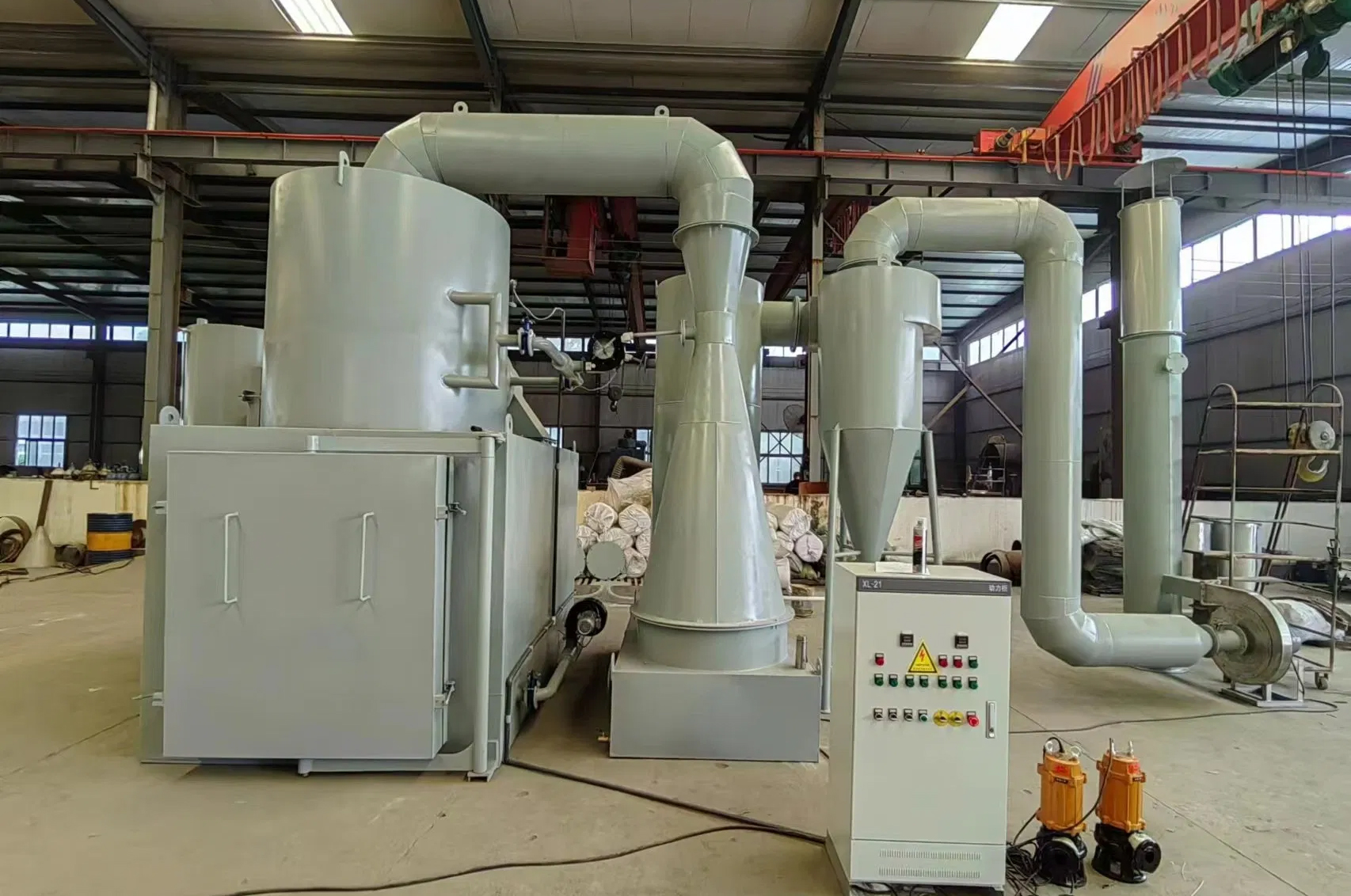
To make a truly informed decision, one must interrogate the standard claims made by incinerator manufacturers.
True Total Cost of Ownership (TCO)
The initial purchase price is a fraction of the story. A comprehensive TCO analysis exposes costs that are frequently underestimated or omitted.
Energy & Auxiliary Consumables:
Beyond incinerator fuel (diesel, natural gas), modern systems require significant electrical power for induced draft fans, sophisticated control systems, and extensive air pollution control (APC) devices. The efficiency of the combustion chamber directly impacts fuel consumption. A unit with poor thermal design or inadequate insulation will have a permanently higher operational incinerator cost.
Burden of Maintenance and Downtime:
Scheduled maintenance is a known cost, but the frequency and complexity are key. Refractory lining replacement in the primary and secondary chambers is a major, disruptive expense. How accessible are the components for inspection and service? What is the mean time between failures for critical parts like burners, pumps, and fans? Unplanned downtime doesn’t just halt waste processing; it forces costly contingency plans, such as third-party waste hauling at premium rates.
Regulatory Compliance as a Cost Center:
Meeting evolving emission standards isn’t optional. A system purchased “at spec” today may be non-compliant tomorrow without costly retrofits. The ability of the medical waste incinerator to consistently achieve and document required incinerator efficiency and emission levels determines future capital outlays. For a detailed breakdown of cost factors, review our guide: medical waste incinerator price a comprehensive guide to total cost of ownership.
Complexity of Emissions Control
Suppliers often highlight a “high medical waste incinerator temperature” as the sole guarantee of clean emissions. This is a dangerous oversimplification.
“3T+E” Principle is Non-Negotiable:
Effective destruction of pathogens and complex organic compounds like dioxins requires the precise interplay of Temperature, Turbulence (mixing), Time (retention in the hot zone), and Excess oxygen. A chamber may reach 1200°C, but if waste is not adequately agitated or gases pass through too quickly, incomplete combustion occurs. This produces products of incomplete combustion (PICs), which are often more hazardous than the original waste.
Tail Gas Treatment is the Real Gatekeeper:
The combustion chamber’s output is just the beginning. The incineration emissions that finally exit the stack are defined by the Air Pollution Control (APC) train. Choices here—between dry sorbent injection, wet scrubbers, baghouse filters, or selective catalytic reduction—have monumental implications for capital cost, operating complexity, waste residue generation (e.g., fly ash), and ultimate compliance. The choice of APC system is as critical as the choice of the incinerator itself.
Operational Demands Often Glossed Over
A machine is only as good as the team operating it. The clinical reality of a busy hospital often clashes with the ideal operational protocols for an incinerator.
Waste Segregation is the First Line of Defense:
In a pediatric ICU or a bustling obstetrics ward, the pressure is on clinical staff. If non-incinerable wastes (e.g., pressurized cylinders, certain chemotherapeutics, heavy metals from dental amalgam) enter the feed system, they can cause catastrophic damage to the refractory, quench burners, or create explosive atmospheres. The incinerator does not forgive poor upstream segregation.
Training and Competency are Continuous Needs:
This is not a “set-and-forget” appliance. Operators must understand combustion principles, emergency shutdown procedures, and basic mechanical troubleshooting. High turnover rates in support staff positions make consistent, certified training programs a operational necessity, not a luxury. For foundational knowledge, our resource on what you need to know about medical waste incineration is essential reading.
Residue Handling: A Secondary Waste Stream:
The process doesn’t end with ash. Bottom ash and, more critically, APC residues (like fly ash from baghouses) may be classified as hazardous waste. Their safe handling, storage, and final disposal represent a secondary logistical and financial stream that must be planned for from the outset.
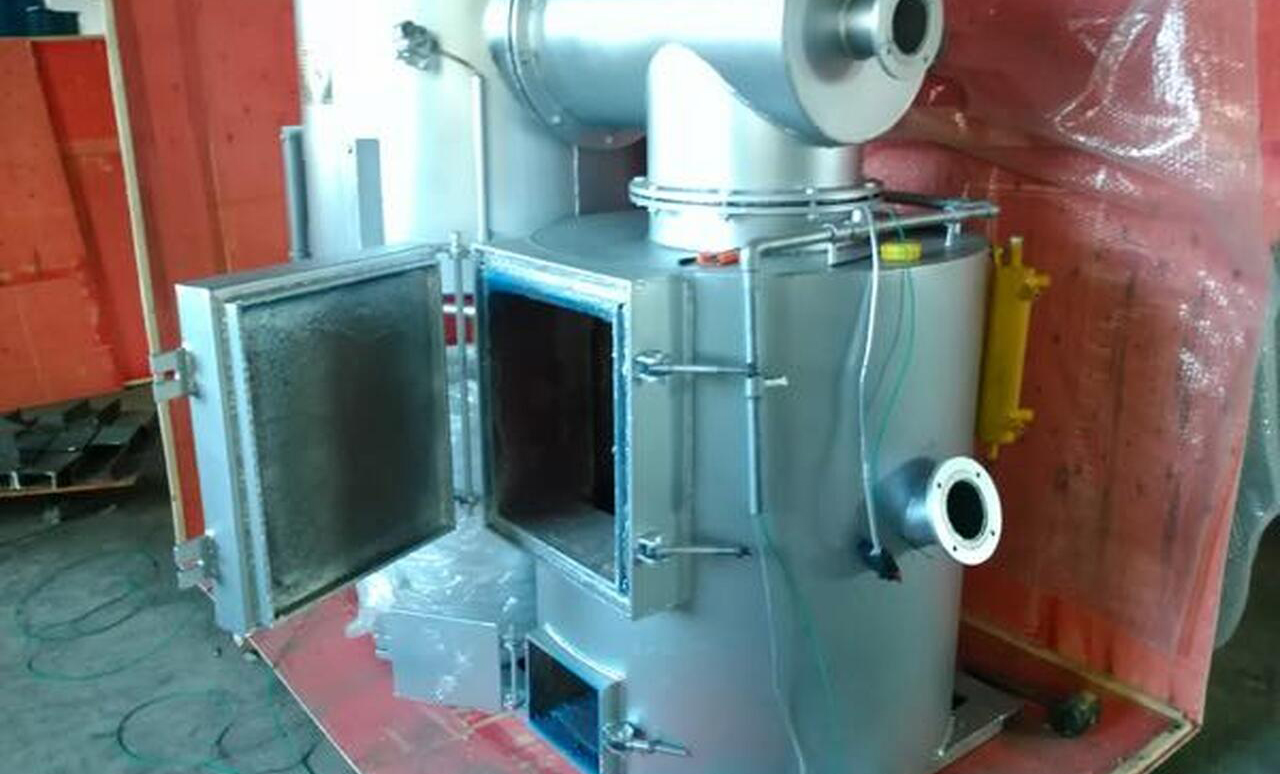
Comparative Key Decision Points When You Buy an Incinerator
| Decision Factor | The Basic/Cheaper | The Engineered/Premium |
| Combustion Chamber Design | Simple, single-stage. Higher risk of cold spots, slagging, and PIC formation. | Optimized, often multi-stage (primary + secondary) with proven geometry for turbulent flow and guaranteed residence time. |
| Refractory Quality | Standard firebrick. Shorter lifespan, more frequent thermal shock damage, higher heat loss. | High-alumina or ceramic-fiber linings designed for thermal cycling, corrosion resistance, and superior insulation. |
| Control System | Manual or basic PLC. Reliant on operator vigilance for parameter adjustments. | Fully automated PLC/SCADA with continuous monitoring of temperatura, O2, CO, and pressure. Automatic feedback loops to optimize combustion and incinerator efficiency. |
| APC System Integration | Added as a bare-minimum module to meet local laws. May be inefficient or hard to maintain. | Designed as an integrated system from the start. Higher removal efficiency for particulates, acids, and organics, with easier access for maintenance. |
| Manufacturer Support | Limited to basic parts supply. Long lead times, generic technical advice. | Comprehensive service packages, on-demand technical support, readily available training, and a partnership approach to compliance. |
Incinerator as a Systemic Core, Not a Standalone Unit
The most profound understanding a buyer can have is that a medical waste incinerator is the heart of a complex biological and mechanical system. Its performance is intrinsically linked to every step before it (waste generation, segregation, storage) and after it (ash handling, emission monitoring, data reporting).
A focus on incinerator specifications in isolation is a strategic error. The leading clinical guideline on infection control principles—that prevention is multi-modal—applies here. A top-tier incinerator is a robust engineering control, but it must be supported by equally robust administrative controls (policies, training) and work practice controls (safe loading procedures). Investing in a system that facilitates this integration—through user-friendly interfaces, data export capabilities, and safety-by-design features—pays dividends in reliability and risk reduction. Safe operation is paramount; learn more in our dedicated article on how to operate and maintain a medical waste incinerator safely.
Furthermore, the industry discussion around alternatives like advanced autoclaving or microwave treatment is valid. The critical differentiator for incineration remains its ability to irreversibly destroy pathological waste and chemically complex pharmaceuticals, and to achieve massive volume reduction. The decision is not about which technology is universally “better,” but which is most appropriate for a facility’s specific waste stream composition, volume, regulatory environment, and long-term sustainability goals.
Conclusion: Making an Informed Investment in Safety and Sustainability
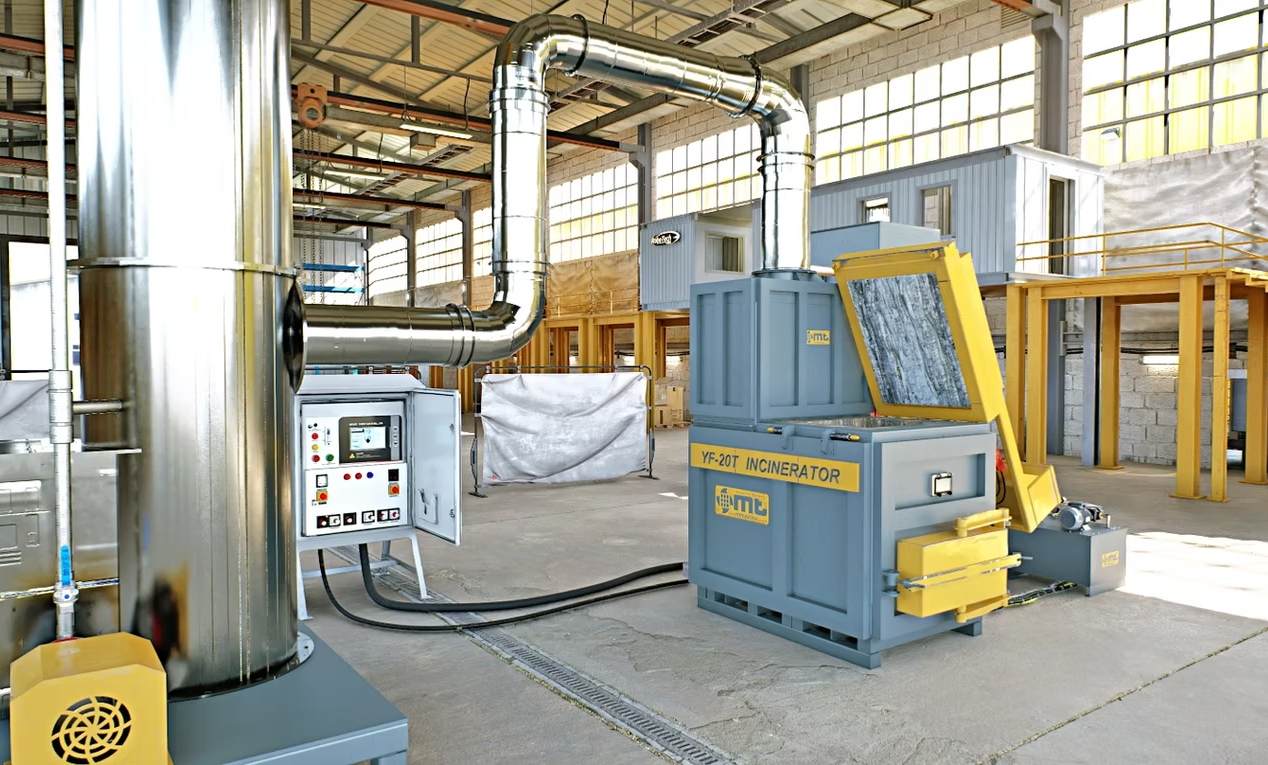
Choosing a medical waste incinerator demands a shift in perspective—from viewing it as a commodity purchase to recognizing it as a long-term infrastructural investment in community and environmental health. The questions must extend beyond “what is the incinerator cost?” to “what is the cost of not having reliability, compliance, and safety engineered into the system from day one?”
The key is to partner with incinerator manufacturers who are transparent about these holistic challenges and whose engineering philosophy addresses them directly. This means demanding clarity on real-world incinerator efficiency, the specifics of the APC system’s performance under load, the projected lifecycle of refractory materials, and the true support structure behind the sale.
How BiosafePro Medical Waste Incinerators Meet These Critical Challenges
At BiosafePro, we engineer our systems with these unspoken realities as our primary design criteria. We don’t just sell an incinerator; we provide a integrated waste treatment solution built on the principles of complete combustion, operational resilience, and transparent total cost of ownership. Our focus on advanced refractory systems, automated combustion control for optimal medical waste incinerator temperature and turbulence, and modular, effective APC options ensures that compliance is sustained, not just initially achieved. We invite you to move beyond the standard datasheet and engage with our experts for a detailed assessment of your needs, providing a solution designed for the realities of modern healthcare waste management.