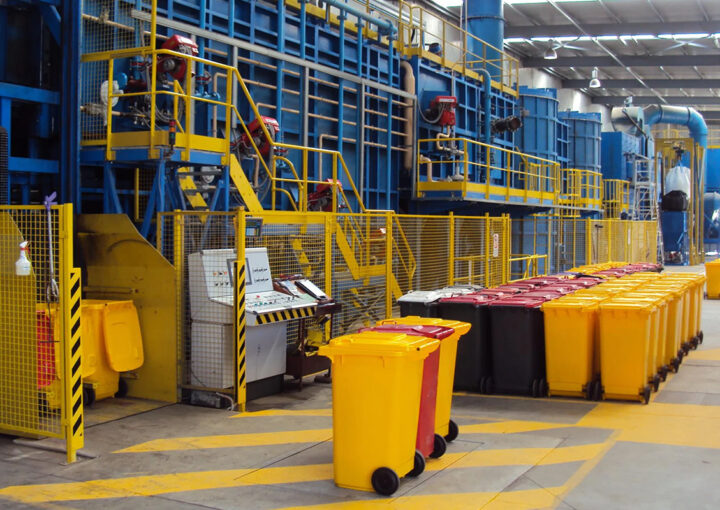



Its operational integrity is paramount. Yet, a persistent gap exists between basic operational procedures and the comprehensive, predictive incinerator maintenance that ensures true long-term safety, compliance, and cost-effectiveness. This gap isn’t about negligence; it’s often a focus on immediate incinerator operation over the subtle, cumulative indicators of decline. The consequences extend far beyond equipment downtime—they impact environmental safety, regulatory standing, and public health. This discussion moves beyond a simple preventive maintenance checklist to examine the nuanced, frequently ignored aspects of incinerator service that sustain a incinerador de residuos médicos at peak clinical-grade performance.
Why Advanced Incinerator Maintenance Is a Non-Delegable Clinical Duty
Medical waste treatment is not an industrial process divorced from patient care; it is its direct extension. A malfunctioning medical waste incinerator that fails to achieve the required Destruction and Removal Efficiency (DRE) is a vector for potential community health risks. In an era of heightened environmental scrutiny and stringent hospital incinerator standards WHO guidelines, reliance on reactive incinerator troubleshooting is a significant strategic vulnerability. The focus must shift from simply “keeping the unit running” to ensuring it consistently performs as an engineered safeguard. This requires a maintenance philosophy that is as rigorous and data-driven as the clinical services the hospital provides, making comprehensive incinerator maintenance a core operational discipline.
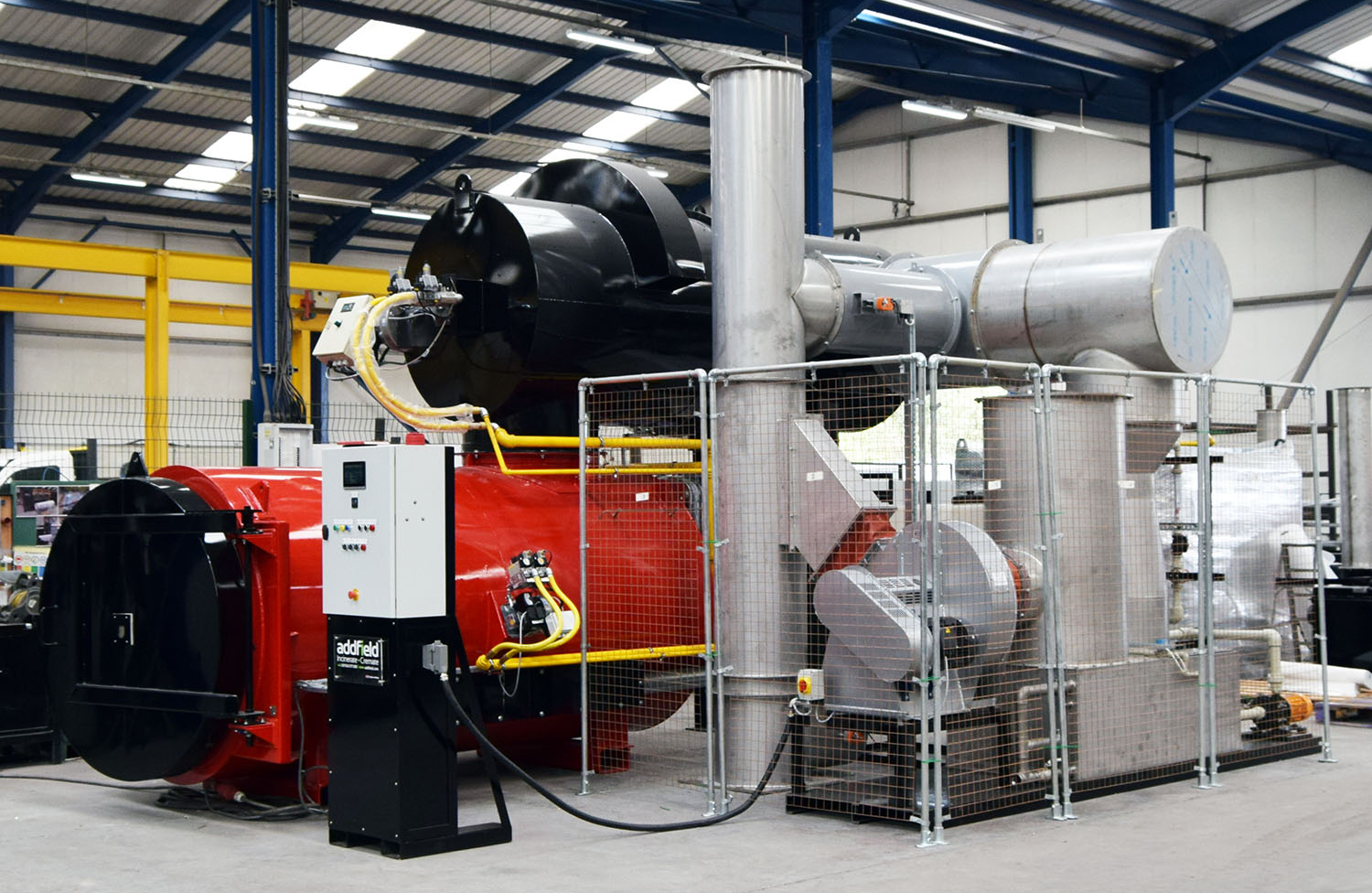
Beyond the Basic Log Sheet: Overlooked Pillars of Incinerator Service
Most facilities maintain a rudimentary log for temperatures and run times. However, true operational integrity is built on deeper, systematic checks.
1. Refractory Integrity
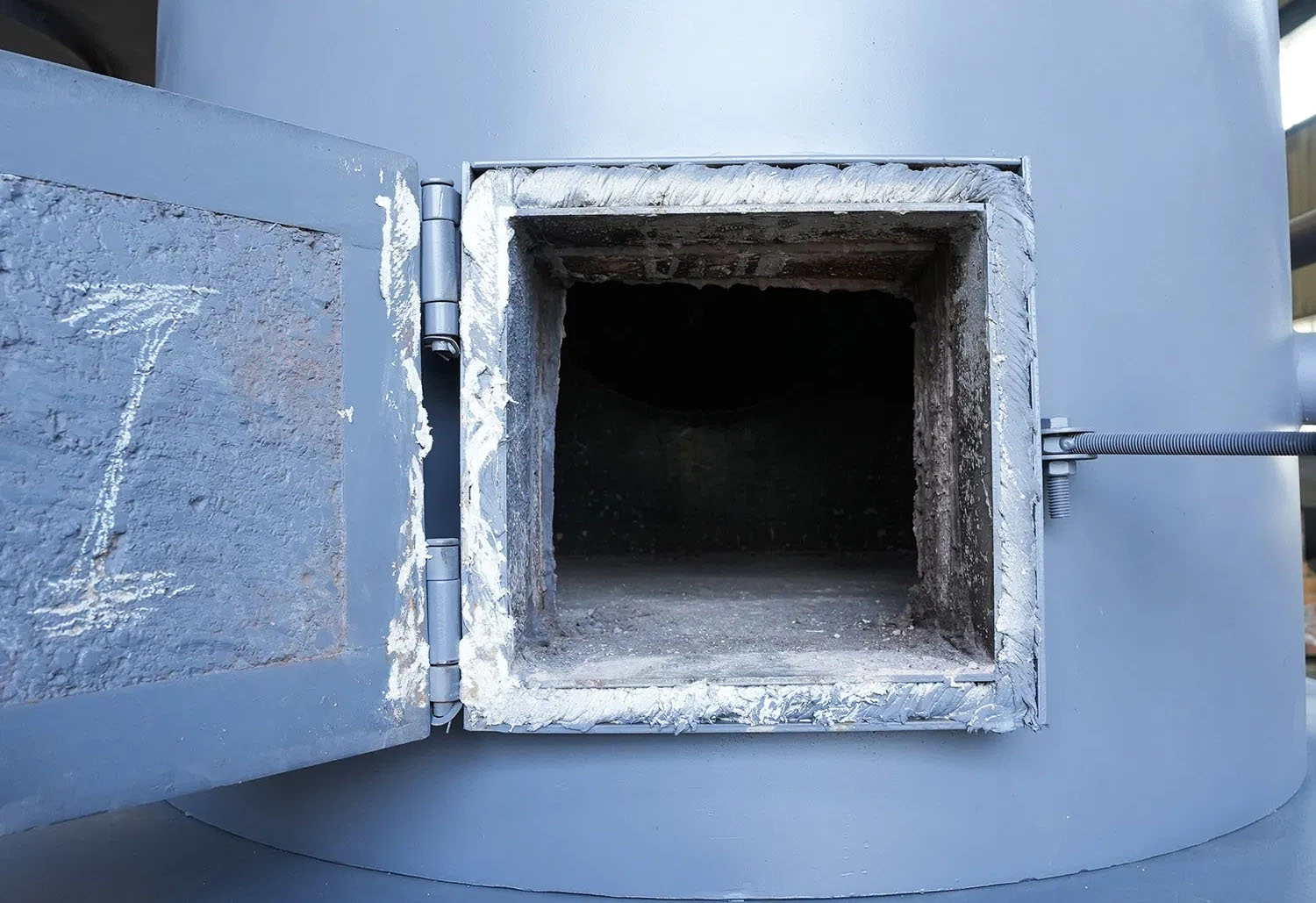
The refractory lining is the incinerator’s protective skin, containing extreme heat and corrosive chemistries. Surface inspections are common, but the critical, ignored step is a scheduled, cold internal inspection using borescopes to map craze cracking, spalling depth, and anchor wear. The technical difficulty lies in correlating visual degradation with actual thermal performance loss. Thin, hairline cracks may be acceptable, while deeper spalling near burners or gas off-takes can lead to heat loss, inconsistent combustion zones, and ultimately, shell overheating—a catastrophic failure risk. A robust equipment maintenance checklist must include periodic thermographic imaging of the external shell to detect hot spots invisible to the naked eye, a proactive measure far surpassing basic visual checks.
2. Combustion Air System Calibration
Optimal combustion is a stoichiometric ballet. While air blowers are regularly checked for operation, the calibration of dampers, pressure sensors, and their integration with the control logic is frequently assumed to be static. The clinical consequence of imprecise air control is twofold: excess air cools the primary chamber, preventing complete waste pyrolysis and potentially increasing particulate carryover; insufficient air leads to reduced oxygen, incomplete combustion, and the formation of carbon monoxide and, under certain conditions, dioxins. Maintenance must verify that primary, secondary, and sometimes tertiary air flows are delivered at the correct pressure, volume, and temperature as per the original design specifications, adjusting for wear in fan bearings or damper actuators.
3. Auxiliary Burner and Nozzle Performance
Auxiliary burners are tested for ignition, but their full performance spectrum is often ignored. This includes:
Flame Pattern Analysis:
Using sight ports, verify the flame is stable, properly shaped, and not impinging on refractory or the waste charge. An erratic flame indicates clogged nozzles, worn atomizers, or fuel pressure issues.
Fuel-Air Ratio Verification:
Manifold pressure gauges tell only part of the story. Periodic combustion efficiency analysis of the burner itself can ensure it is not producing excess NOx or soot during start-up and low-waste periods.
Ignition Electrode Alignment and Condition:
Misaligned or carbon-fouled electrodes cause unreliable ignition, leading to aborted cycles, fuel-rich chamber conditions, and safety system lockouts.
A detailed guide on operational nuances can be found in our resource on how to operate and maintain a incinerador de residuos médicos safely.
4. Emission Control System Interdependencies
The scrubber, baghouse, or electrostatic precipitator (ESP) is often treated as a separate module. The most critical overlooked maintenance item is validating the entire system’s integrated performance. For instance:
- Is the differential pressure across a baghouse or wet scrubber within the optimized range, or is it indicating blinding or scaling that forces the induced draft fan to work harder, affecting chamber pressure?
- In an ESP, are the rapper mechanisms functioning correctly to prevent excessive ash buildup that can lead to reduced efficiency and even sparking?
- Are spray nozzles in a quench tower free of mineral scale, ensuring proper gas temperature drop before entering the scrubber?
Neglecting these interdependencies turns the APC system from a safeguard into a bottleneck, risking emissions compliance.
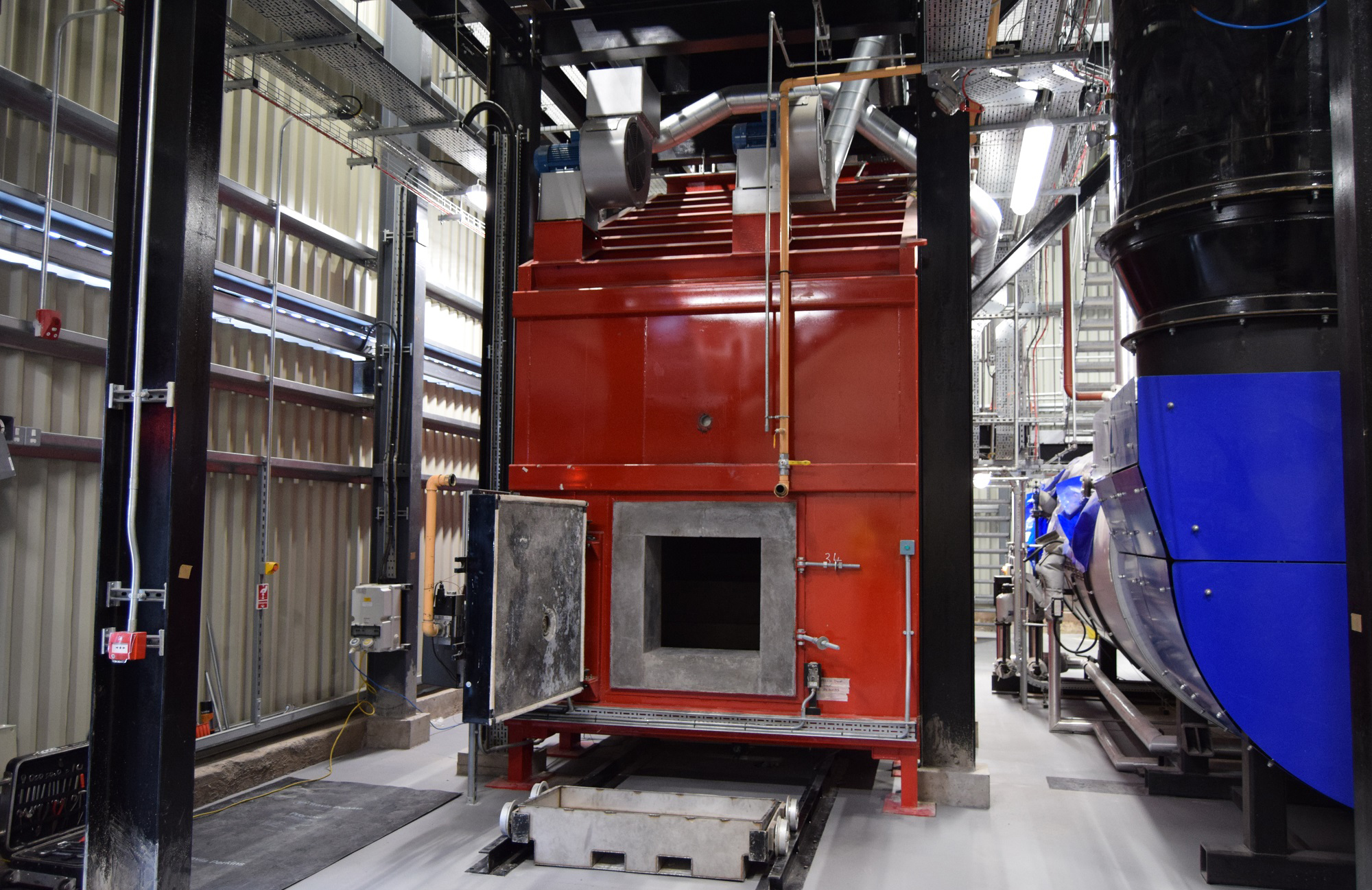
Reactive vs. Predictive vs. Prescriptive Maintenance for Your Incinerator
A clear understanding of maintenance philosophies highlights the value of depth for your medical waste incinerator.
| Maintenance Dimension | Reactive (Run-to-Failure) | Predictive (Condition-Based) | Prescriptive (Analytics-Driven) |
| Focus | Fixing breakdowns. | Monitoring wear indicators. | Predicting & optimizing system health. |
| Key Activity | Incinerator troubleshooting after a fault. | Vibration analysis, thermography, scheduled incinerator service. | Analyzing operational data trends to prescribe specific maintenance actions. |
| Overlooked in this Approach | Cumulative damage, root causes, compliance risks between failures. | The interpretation of data and its direct link to combustion chemistry. | Requires high-quality, continuous data input and expert interpretation. |
| Clinical/ Operational Impact | High downtime risk, unpredictable emissions, potential for major repair. | Reduced unplanned stops, better compliance consistency. | Maximized efficiency, minimized lifetime cost, assured compliance. |
| Example for Incinerator Maintenance | Replacing a burned-out secondary burner after a high-CO alarm. | Scheduling refractory repair based on thermal imaging trends. | Adjusting secondary air damper settings based on real-time CO/O2 trends to pre-optimize combustion. |
Most operators oscillate between Reactive and basic Predictive approaches. The advanced incinerator maintenance checklist advocated here is the bridge to true Predictive care and reliable incinerator operation.
Maintenance as a Continuous Performance Audit
The most sophisticated perspective is to view the incinerator maintenance checklist not as a series of tasks, but as a continuous audit of the unit’s ability to fulfill its clinical mandate. This shifts the mindset from “Is Part X working?” to “Is the entire medical waste incinerator achieving its intended DRE and emission limits under real-world conditions?”
This involves a critical discussion: Is a “clean stack test” twice a year sufficient, or should real-time data be continuously calibrated and trusted? The technical implementation difficulty is high, but the payoff is a move from periodic compliance to continuous assurance. Ignoring this evolution leaves facilities vulnerable. For a deeper dive into solving performance issues, consider reading about incinerador de residuos médicos not burning properly causes and solutions, a key resource for incinerator troubleshooting.
Conclusion and Pathway to Operational Excellence
A medical waste incinerator is a critical care device for public health. Its reliability cannot be left to chance. The paradigm for incinerator service must evolve to encompass the hidden, interdependent aspects of system health. Moving beyond a basic maintenance checklist template to adopt a predictive, audit-minded approach to incinerator maintenance is what separates compliant operation from clinical-grade stewardship.
This requires expertise in combustion science and environmental engineering. The goal is a state where incinerator operation is seamlessly supported by foresight, preventing issues before they impact performance, a principle central to all waste disposal equipment management.
How BiosafePro Medical Waste Incinerators Are Engineered to Meet These Advanced Maintenance Challenges
BiosafePro designs with maintenance foresight engineered into the system. Our medical waste incinerator units facilitate critical checks through strategic access points and integrated diagnostics. We understand that long-term compliance depends on sustainable incinerator service. From refractory design that simplifies inspection to control systems that log trend data for predictive analysis, our solutions are built to support the advanced incinerator maintenance protocol outlined here. We provide our partners with more than a preventive maintenance checklist; we provide a structured pathway for achieving operational excellence and unwavering compliance, informed by frameworks such as hospital incinerator standards WHO guidelines. Contact our engineering team to discuss how a purpose-built medical waste incinerator and support program can transform your maintenance from a cost center into a cornerstone of safety.