


Mistake 1: Treating All Biohazard Bags as the Same Product
Many procurement teams assume that all biohazard bags meet the same safety and regulatory standards. This is a common but dangerous assumption. In reality, biohazard waste bags produced by different manufacturers can vary significantly in critical performance characteristics.
Consequences
Treating different specifications of bags as interchangeable products can create serious operational risks and compliance issues. For example:
Safety risks:
Low-quality or overly thin bags can be punctured easily when sharp instruments or contaminated materials are placed inside. This may cause hazardous leakage and increase the risk of exposure for healthcare staff and cleaning personnel.
Disposal failures:
If the bag material cannot tolerate downstream biohazard waste disposal methods, it may rupture during processing. This can lead to secondary contamination and potentially pollute treatment facilities.
Regulatory violations:
Different countries and regions enforce specific requirements for medical waste packaging. Using bags that do not comply with local standards may render the entire waste management process non-compliant and expose the organization to regulatory penalties.
How to Avoid This Mistake
Verify technical specifications:
Do not rely solely on the generic label “biohazard bags.” Request and verify detailed product specifications from suppliers, including material composition, thickness, puncture resistance, and tear strength.
Match bags to disposal processes:
Choose bags according to your facility’s waste treatment method. If on-site sterilization is used, the facility must select clearly labeled autoclavable biohazard bags, which are designed to withstand high temperature and pressure without melting or breaking.
Understand local regulations:
When purchasing through international trade channels, confirm the specific packaging requirements defined in the destination market’s medical waste regulations. Whether in Southeast Asia, Africa, or other regions, ensure the purchased products are supported by the appropriate compliance declarations or certifications.
Mistake 2: Ignoring Waste Segregation Requirements
When purchasing biohazard bags, focusing only on the bag itself while ignoring its compatibility with the facility’s overall waste segregation system is a common mistake. Incorrect bag colors, labels, or specifications can directly disrupt the segregation process.
Consequences
Using bags that do not align with the segregation system can cause several problems:
Cross-contamination risks:
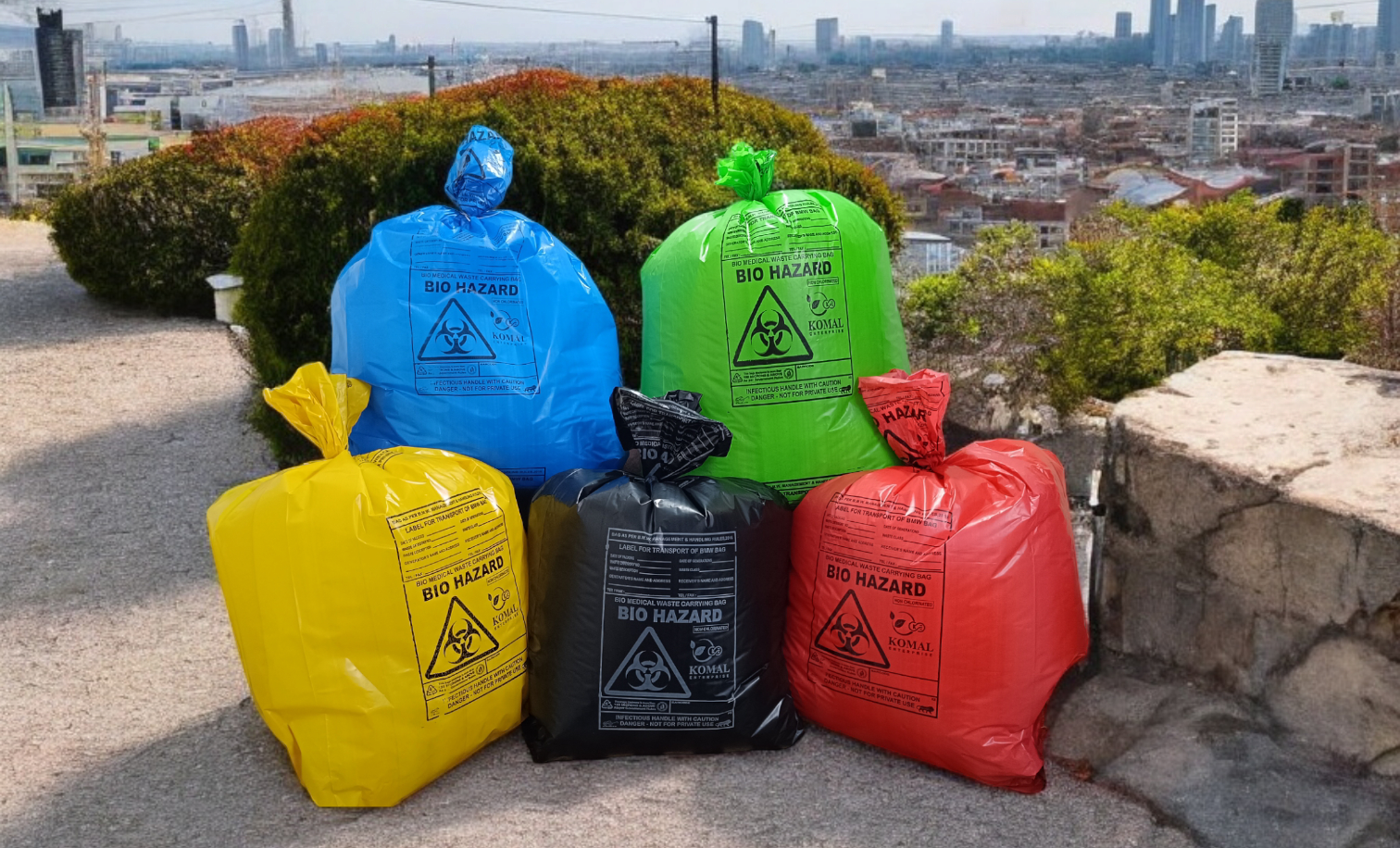
For example, placing general waste into yellow biohazard trash bags, or putting infectious waste into black general garbage bags, can seriously confuse waste categories. This increases the risk of improper downstream handling, staff exposure, and environmental contamination.
Regulatory non-compliance:
Most global healthcare regulations strictly enforce waste segregation and color-coding systems. Using bags that do not meet these requirements means the organization violates biohazard waste disposal rules from the very beginning, which can lead to audit failures or legal penalties.
Operational confusion and increased costs:
Unclear labeling creates confusion among healthcare workers when disposing of waste. This increases training costs and correction time. Incorrect segregation may also cause items that could be handled as general waste to enter expensive medical waste processing streams, significantly increasing overall disposal costs.
How to Avoid This Mistake
Treat bags as part of the segregation system:
Before purchasing, clearly define your facility’s waste classification policy, such as infectious waste, pathological waste, sharps, chemical waste, and general waste, along with the color coding assigned to each category.
Confirm visual identification:
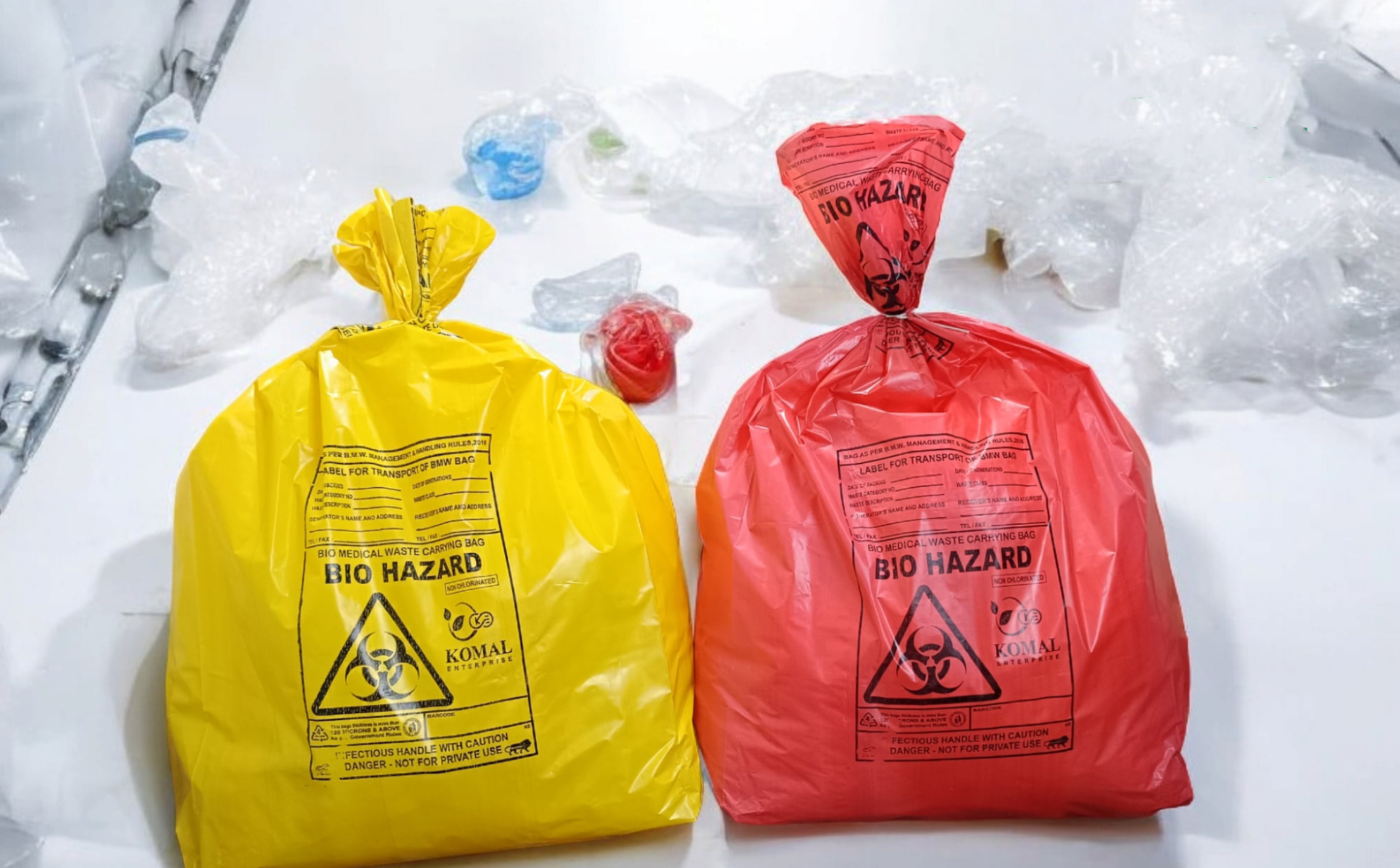
Ensure the purchased biohazard waste bags have accurate colors and clear printed biohazard symbols and labels that comply with established standards.
Conduct system compatibility testing:
Before bulk purchasing, request samples and perform real-world testing. Check whether the bag color aligns with the existing color-coded bins and recycling stations, and confirm that the symbols are easy to recognize. This helps ensure the bags integrate smoothly into the existing workflow and support safe, compliant waste management.
Mistake 3: Choosing Bag Thickness Based Only on Price
When purchasing biohazard bags, selecting thinner and cheaper products solely based on the lowest purchase price is a short-sighted decision. Bag thickness—usually measured in mil—is a key indicator of its physical protective capability.
Consequences
Sacrificing thickness to reduce cost often results in operational failures and hidden expenses:
Leakage and contamination:
Thin bags can easily tear or puncture when filled with heavy or sharp waste. Leakage may contaminate the surrounding environment and increase cleaning and disinfection costs. More importantly, it creates serious biosafety exposure risks.
Reduced system efficiency:
Frequent bag failures require additional time for cleanup and repackaging. This disrupts workflows and reduces the overall reliability of the medical waste management system.
Higher total cost:
Although the initial price may be lower, higher damage rates and replacement frequency often lead to greater consumption than expected. From the perspective of the entire biohazard waste disposal lifecycle, frequent failures, contamination events, and additional labor time can result in a higher overall cost than investing in higher-quality biohazard trash bags with adequate thickness.
How to Avoid This Mistake
Determine specifications based on risk assessment:
Evaluate the required thickness based on the actual type of waste being handled. Waste containing limited sharps, dense laboratory materials, or moisture-heavy medical dressings requires thicker biohazard trash bags compared with bags used only for lightweight plastic waste.
Consider the entire handling chain:
Assess the conditions bags will encounter when transported from collection points to centralized storage or disposal sites. Long-distance transportation or rough handling environments require bags with stronger resistance to tearing and puncture.
Conduct lifecycle cost analysis:
Shift the evaluation focus from “price per bag” to “cost per safe disposal cycle.” Compare failure rates, replacement frequency, and potential risk costs associated with bags of different thickness levels. In most cases, investing in durable bags designed for real operational conditions proves more economical over time.
Mistake 4: Overlooking Autoclave Compatibility
In facilities that perform on-site sterilization, a critical mistake is assuming that all products labeled as biohazard bags can safely withstand the autoclaving process. In reality, ordinary plastic bags and genuine autoclavable biohazard bags differ fundamentally in material composition and performance.
Consequences
Using incompatible bags during autoclaving can lead to severe consequences:
Sterilization failure and safety risks:
Under high temperature and pressure, non-autoclavable bags may melt, rupture, or lose their seal integrity. This can release infectious materials directly into the autoclave chamber, contaminate the equipment, and compromise the entire sterilization cycle. The result is a serious biosafety hazard.
Equipment damage and operational disruption:
Melted plastic may adhere to the interior surfaces, baskets, and drainage systems of the autoclave. This can cause costly equipment damage, difficult cleaning procedures, and extended downtime, potentially interrupting critical sterilization operations.
Formation of hazardous aerosols:
If a bag ruptures during sterilization, contaminated air and steam inside the bag may escape as aerosols. This creates a significant inhalation risk for personnel operating the equipment.
How to Avoid This Mistake
Specify the correct product during procurement:
Actively source biohazard waste bags clearly labeled as “Autoclavable” or “Steam Sterilizable.” Never rely on a supplier’s informal claim that a standard bag might tolerate sterilization conditions.
Verify critical performance parameters:
Request technical documentation proving the bag can withstand the temperature and pressure of your facility’s sterilization protocol (commonly above 121°C for a defined duration). Ensure the seam strength is sufficient to remain intact during sterilization and the handling of wet waste afterward.
Conduct on-site validation tests:
Before bulk purchasing, test sample bags in real conditions. Place bags filled with simulated waste into an autoclave cycle and inspect them afterward for integrity, shrinkage, deformation, or brittleness. This practical verification helps confirm that the bags perform reliably in real-world workflows.
Mistake 5: Ignoring Seal Integrity and Closure Systems
Another frequently overlooked issue is focusing only on the bag itself while ignoring how it will be securely closed. A biohazard waste bag that cannot be sealed reliably and conveniently loses much of its protective value once the bag needs to be closed.
Consequences
Poor sealing systems are one of the most common causes of leakage and exposure during transport and disposal.
Leakage and occupational exposure:
During transport from hospital departments to centralized storage areas or external waste contractors, bags that are not properly sealed may open due to vibration or pressure. This can result in spills and expose transport staff, cleaning personnel, and others to biohazard materials.
Environmental contamination and regulatory violations:
Leaks may contaminate corridors, elevators, temporary storage areas, or other hospital environments. This can violate occupational safety and environmental protection regulations and result in expensive biohazard cleanup procedures.
Reduced system reliability:
If the closure design is inconvenient or unreliable, frontline workers may resort to improvised tying methods that are quicker but unsafe. This undermines the reliability of the entire waste management system.
How to Avoid This Mistake
Evaluate closure systems as a core specification:
Prioritize bags designed with integrated closing mechanisms, such as:
- Drawstring closures:Ensure the drawstring is securely integrated into the bag, strong enough to hold the load, and easy to tighten with one hand.
- Adhesive sealing strips:Assess whether the adhesive remains effective when exposed to moisture or dust.
- Compatible sealing accessories:If separate ties or clips are required, ensure the bag opening design is compatible and easy to operate with those accessories.
Focus on seam and opening strength:
Check that the bag has reinforced stress points, particularly at the bottom seam and the opening edge. This prevents tearing when lifting fully loaded wet waste.
Perform real-world simulation testing:
Procurement evaluation should not rely only on visual inspection. Conduct real-world testing by filling sample bags with realistic waste loads such as moisture-heavy dressings. Seal them according to standard procedures, simulate transport (lifting, cart loading, short-distance movement), and inspect for leakage or seal failure.
Mistake 6: Failing to Verify Compliance and Certifications
Another critical procurement mistake is relying solely on appearance or supplier claims without verifying whether the product complies with all relevant regulations and standards. Compliance is not a visible feature; it must be demonstrated through official documentation.
Consequences
Ignoring compliance verification exposes organizations to multiple risks:
Legal and regulatory risks:
Using uncertified products for medical waste management may directly violate national, regional, or industry medical waste regulations. This can result in severe administrative penalties, substantial fines, or legal action. The situation becomes even more complex when cross-border waste transportation is involved.
Transportation safety risks and liability:
If bags do not comply with UN packaging standards—such as requirements related to UN 3291 for untreated medical waste—they may be rejected by transport companies. Improper packaging also increases the risk of rupture or leakage during transit, leaving the healthcare facility responsible for the incident.
Unverified performance reliability:
Without certification from recognized organizations such as ASTM International, the bag’s performance claims may not have been independently validated. Marketing claims of “high strength” or “puncture resistant” may not provide reliable protection in real-world conditions.
Audit failures and reputational damage:
During inspections conducted by health, environmental, or safety authorities, the inability to provide documentation proving compliance of waste containers may be recorded as a major non-conformity. This can jeopardize institutional certifications and damage the organization’s professional reputation.
How to Avoid This Mistake
Require compliance documentation as a procurement prerequisite:
In tenders or procurement contracts, clearly require suppliers to provide traceable documentation with the shipment, including:
- Declaration of conformity:A document confirming that the product complies with medical waste management regulations in the destination market.
- Testing reports and certifications:Provide laboratory test reports for standards such as ASTM performance testing (for example ASTM D1709 puncture resistance or impact resistance) and certification documents demonstrating compliance with relevant UN packaging standards.
- Material safety documentation:Ensure the materials used in the bags meet safety requirements and are suitable for handling biohazard waste.
Verify documentation independently:
Do not simply accept documents at face value. Verify the listed standards, confirm the accreditation of certification bodies, or send samples to a third-party laboratory for independent testing when necessary.
Establish an approved supplier list:
Create and maintain a list of qualified suppliers based on consistent documentation review and product quality history. Procurement should prioritize vendors from this list and conduct periodic re-verification.
Pay special attention to cross-border requirements:
If waste may be transported internationally, carefully review regulations in both the origin and destination countries. Ensure that the selected biohazard waste bags meet the strictest applicable standards and include the necessary documentation for international transfer.
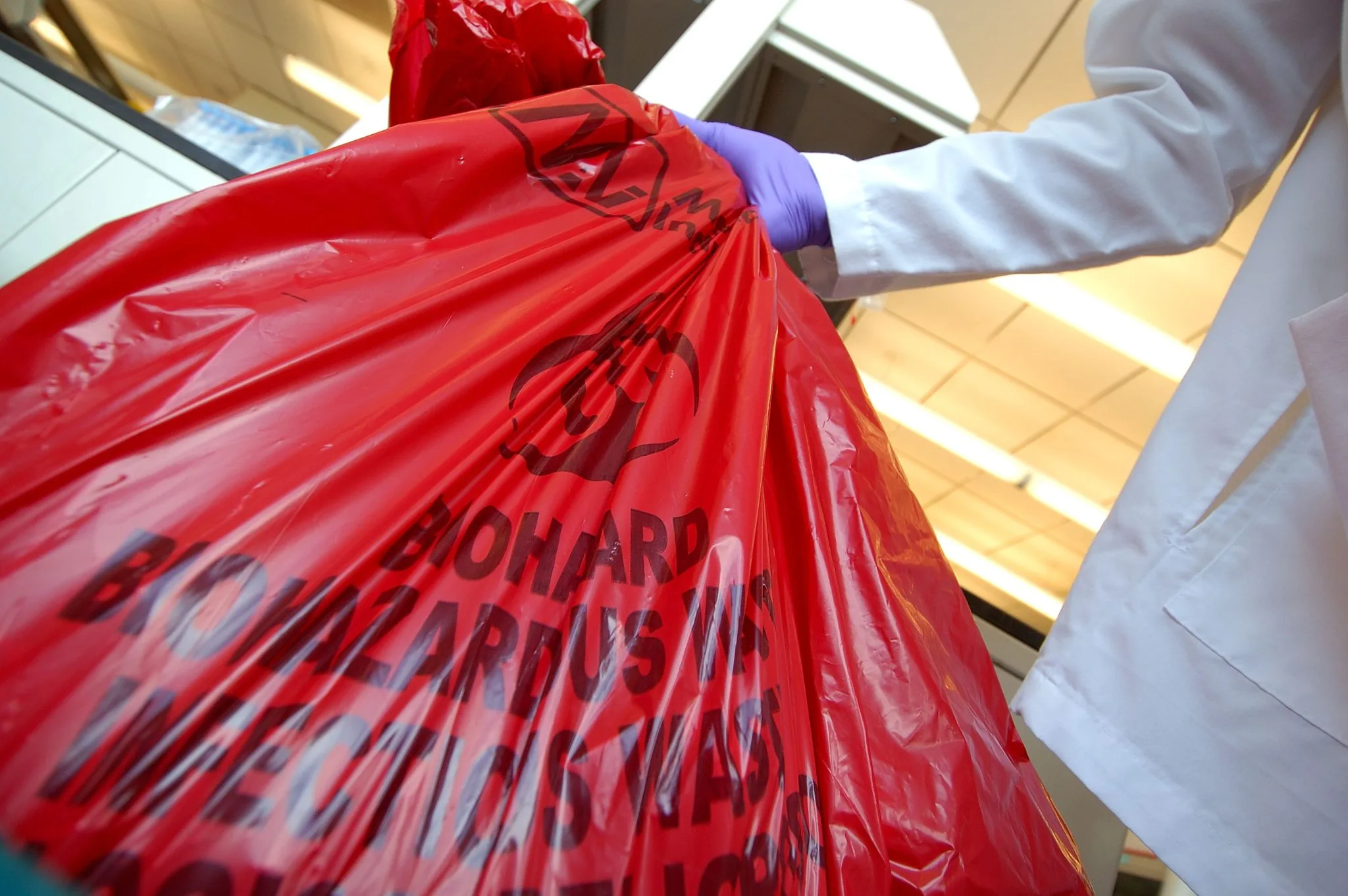
Mistake 7: Ignoring Integration with the Waste Management System
Another common mistake is treating a biohazard waste bag as an isolated product rather than as part of a broader operational system. In reality, the effectiveness of biohazard bags depends heavily on how well they integrate with an institution’s existing waste management workflow.
Failing to consider the entire process—from waste generation to final biohazard waste disposal—often creates operational friction and inefficiency.
Consequences
Poor integration between the bags and the overall waste management system can lead to problems across the entire operational chain.
Reduced clinical usability and compliance:
If the bag size does not match existing medical waste container, requires complicated installation, or lacks convenient dispensers, healthcare staff may find it inconvenient to use. This can reduce compliance and lead to improper waste disposal or incorrect waste segregation.
Logistical bottlenecks:
Filled bags may not fit standard collection carts, transport containers, or storage areas. This creates loading difficulties, reduces space utilization, and sometimes requires additional repackaging steps, which increases labor costs and slows operations.
Safety hazards and occupational exposure:
Poorly integrated systems often force staff to adopt temporary or unsafe handling practices, such as overfilling bags or forcing them into containers. These actions increase the risk of bag rupture and exposure to hazardous materials during collection, transport, or storage.
Hidden cost increases:
Although the procurement price of the bag may appear lower, inefficiencies caused by poor system compatibility can increase overall operational costs. These may include additional labor, spill management, staff retraining, and potential regulatory risks.
How to Avoid This Mistake
Conduct end-to-end workflow analysis:
Before procurement decisions are made, map the complete path of medical waste from the waste generation point (such as hospital bedsides or laboratories) to final removal from the facility. Identify all key interaction points in the process.
- Generation points:Evaluate the real needs of different departments regarding bag size and dispenser type.
- Collection and transportation:Ensure that fully loaded bags remain manageable in terms of size and weight for safe manual handling. They should also be compatible with the facility’s collection trolleys and bins.
- Temporary storage and handover:Confirm that bags meet the design requirements of the central storage area and the acceptance criteria of external biohazard waste disposal contractors, including labeling location and sealing methods.
Involve multiple departments in evaluation:
Form an evaluation team that includes procurement staff, clinical or nursing leadership, environmental services personnel, and biosafety officers. Feedback from frontline users is essential for selecting practical solutions.
Conduct pilot testing in real environments:
After selecting several candidate products, conduct small-scale trials in representative high-volume departments. Observe the full process—from installation and daily use to sealing, removal, and placement into collection carts—and collect feedback from staff.
Prioritize system-based solutions:
Whenever possible, evaluate suppliers that provide compatible system solutions, including bags designed to work with existing containers, carts, and storage infrastructure. Standardized systems reduce errors and significantly improve efficiency and safety.
Practical Recommendations for Choosing Biohazard Bags
Selecting the right biohazard bags should be viewed as a critical part of a healthcare safety system rather than a simple consumable purchase. The following practical recommendations provide a system-based approach to selecting appropriate bags.
1. Match the Disposal Method
The selection process should begin with the final biohazard waste disposal method.
Facilities that rely on steam sterilization or autoclaving—such as laboratories and clinics—must choose certified autoclavable biohazard bags to ensure that sterilization is effective and that the bags do not rupture during the process.
For large volumes of waste transported over long distances to centralized treatment facilities, thicker biohazard trash bags with high tensile strength and puncture resistance should be prioritized to withstand handling and transport pressure.
2. Standardize Waste Segregation and Labeling
Bag colors and labels must strictly comply with local medical waste regulations and established waste segregation systems.
Clear color coding and highly visible biohazard symbols help staff identify the correct disposal category instantly. This reduces errors at the source and significantly improves overall compliance and safety.
3. Verify System Compatibility
Before committing to large-scale procurement, conduct small pilot tests in real working environments. Evaluate performance in areas such as:
- Physical durability:Do the bags remain intact when fully loaded?
- Seal reliability:Is the sealing mechanism convenient and secure?
- Workflow compatibility:Do the bags integrate smoothly with existing collection carts, storage containers, and waste transport systems?
Testing under real operational conditions provides valuable insights that cannot be obtained from product specifications alone.
4. Rely on Professional Product Selection Support
Given that the compliance requirements, technical specifications, and operational workflows associated with biohazard bags are closely interconnected, partnering with an experienced provider such as BiosafePro is essential. With a broad product portfolio and deep industry expertise, they can evaluate your specific biohazard waste disposal methods, workflow layout, and regulatory requirements, and then select the most suitable solutions from multiple manufacturers. Rather than simply offering a product catalog, they provide system-oriented solutions designed to support efficient and compliant medical waste management.
By focusing on the key considerations outlined above, organizations can ensure that the selected biohazard waste bags genuinely support safe handling procedures, efficient biohazard waste disposal, and consistent infection control practices. This approach helps reduce operational risks while optimizing long-term management costs.