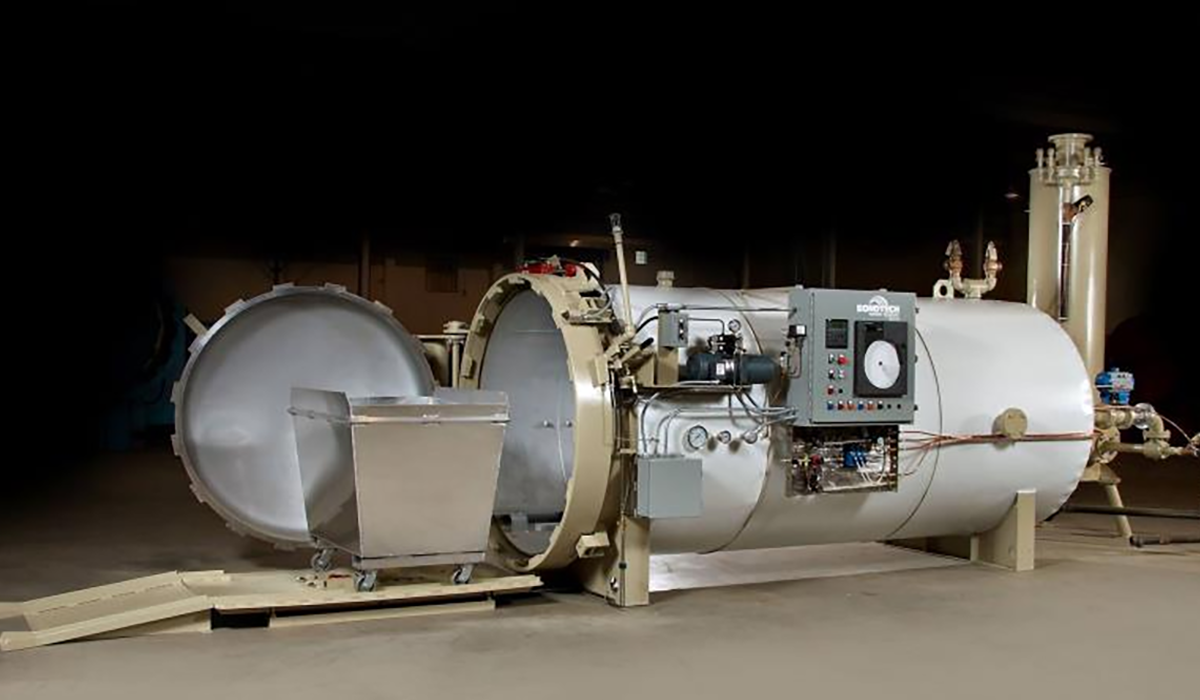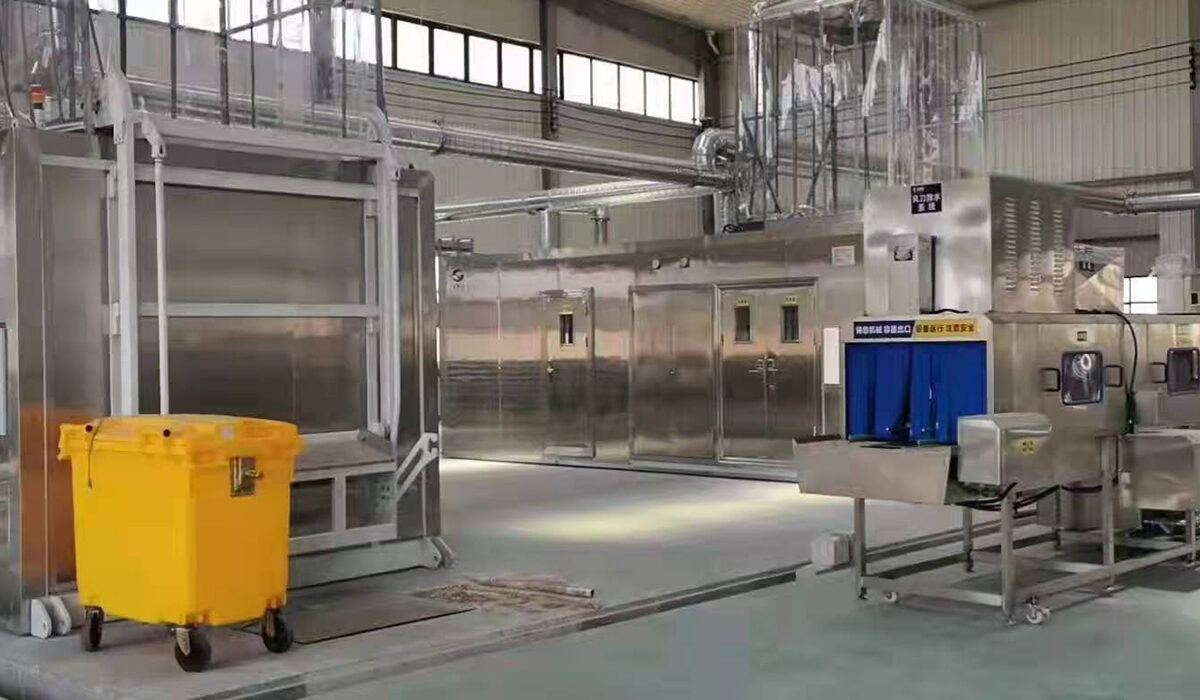



Incineration of medical waste is an important process for managing healthcare waste. The process uses high temperatures to eliminate hazardous materials safely. It is vital that hospitals and healthcare facilities use this method to responsibly manage waste.
Understanding Medical Waste Incinerators
Incineration of medical waste is the burning of wastes generated by healthcare facilities. This process is vital for the safe disposal of hazardous and infectious wastes that cannot be safely disposed by any other method.
According to The Journal of ExtraCorporeal Technology , in the United States between 49-60% of all medical waste is incinerated, 20-37% of it is autoclaved, and 4% is handled using alternative technologies.
The incinerator works: by burning waste at high temperature , it can reduce the volume of the waste and neutralize its hazardous components.
In order to learn how to use an hospital incinerator, you must go through a series of steps. The first step is the separation and loading the waste into the combustion chamber.
The incinerator will be ignited once the waste is loaded. Temperature is monitored and adjusted carefully to ensure that the waste is completely burned. The residual ash is disposed of after the incineration is completed. This reduces the risk of contamination.
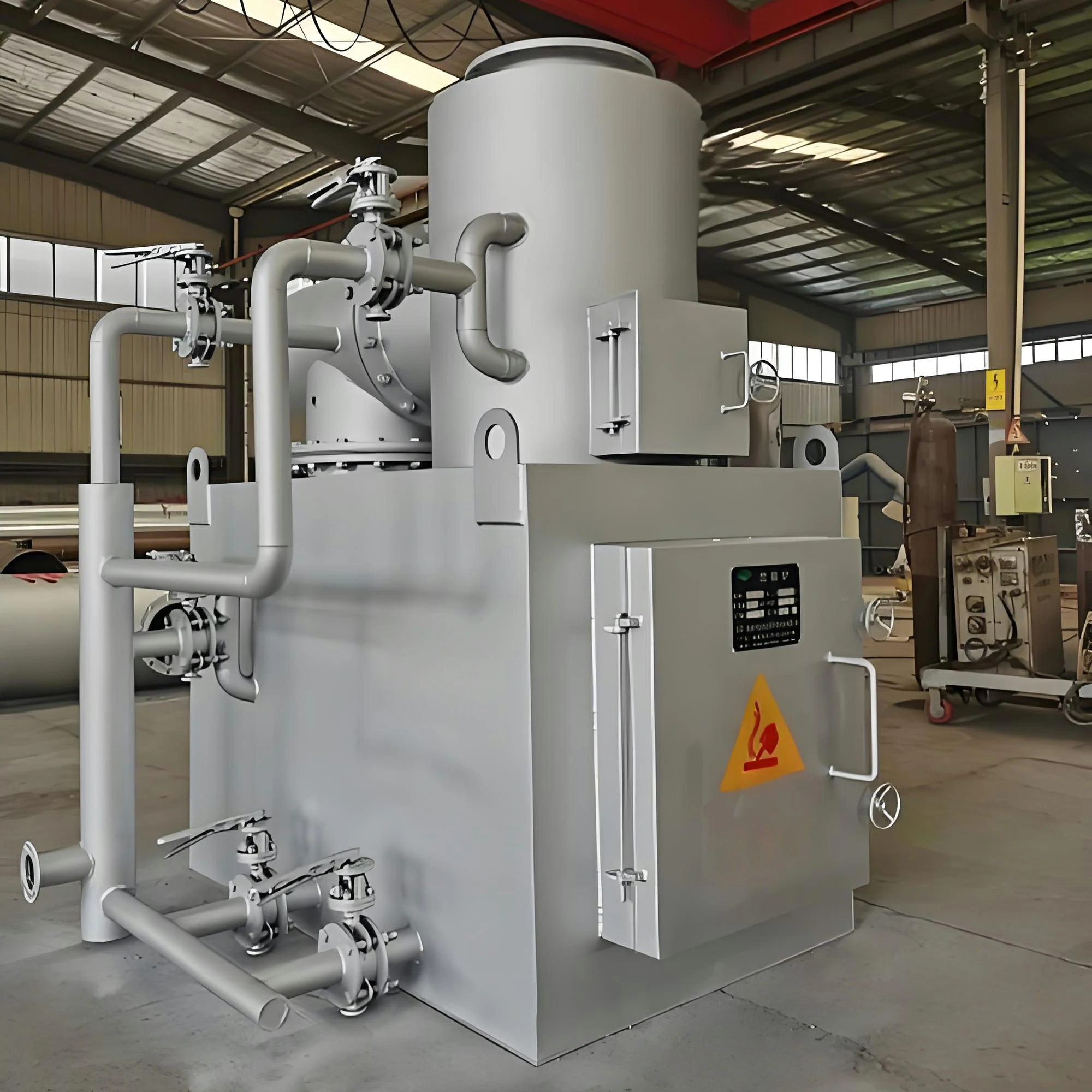
This is a brief summary of the incineration process for medical waste:
- Segregation of waste and preparation
- Loading waste in the combustion chamber
- Monitoring of temperature and ignition
- Combustion process
- Removal and disposal of ash
How hot does an incinerator get?
Incinerators must be heated to a certain temperature. Most medical waste incinerators operate at temperatures between 1,800degF and 2,200degF. This temperature range is enough to break down the complex chemical bonds of the waste and convert it into gas or ash.
Types of Incineration
In most cases, incinerators are located in special waste incineration centers and not in hospitals. Incinerators are categorized into:
Controlled Air
Controlled Air Incinerators is the most commonly used type of incinerator for medical waste. The principle behind them is to regulate the air supply throughout the combustion process in order to maintain the optimal conditions for burning.
These incinerators are able to achieve a more complete combustion by carefully controlling the air that is introduced into the chamber. This can reduce the waste volume and destroy pathogens.
Excess Air
Excess Air Incinerators utilize a surplus air to ensure a complete combustion. The excess oxygen in the air helps to fully oxidize waste and reduces the risk of harmful by-products resulting from incomplete combustion.
The extra air in these systems allows for a more complete and consistent combustion of wastes with high moisture or low calorific values.
Rotary Kiln
Rotary Kiln Incinerators are a newer solution to medical incinerators that can handle large volumes of waste including bulky or liquid waste.
The rotation of the kiln exposes all sides to high temperatures in the combustion chamber. This motion promotes a more uniform burn and complete destruction.
Importance of Proper Medical Waste Incineration
The incineration process ensures that pathogens, chemicals and other substances which may be harmful are destroyed completely before disposal. This is especially important for medical wastes that pose a threat to infection or contamination of the environment. A medical waste incinerator can reduce the amount of waste generated by healthcare facilities and make it suitable for disposal.
What Wastes Require Incineration?
Certain medical wastes cannot be autoclaved or disposed in landfills.
Medical waste is any solid or liquid waste that contains blood, body fluids or other substances that may spread disease. This is not the same as hazardous waste which is defined as any waste that has properties that could be harmful or dangerous to human health.
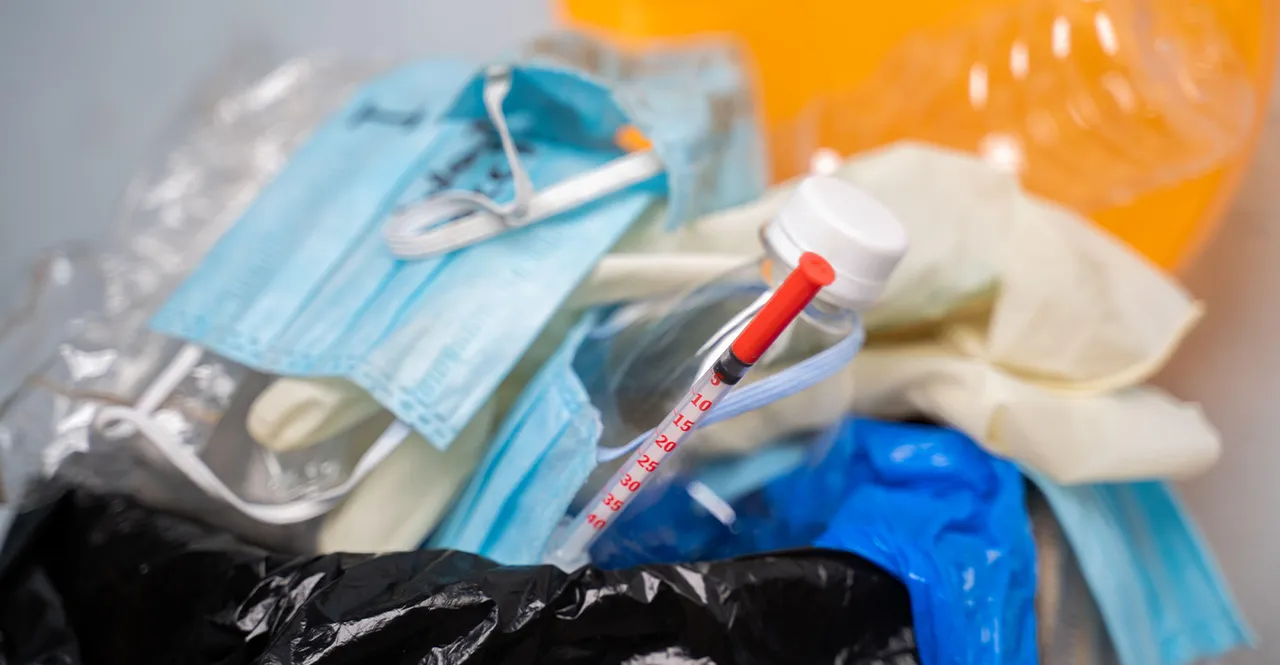
Incineration is a way to destroy potentially harmful substances and pathogens before they are disposed of.
Key Considerations for Effective Incineration
In order to maintain safety and efficiency, it is important to manage incinerators used for hospital waste. Here are a few key considerations.
Operational costs
The costs associated with operating a medical waste incinerator are significant. These costs include initial investment, fuel costs, labor costs, maintenance costs, and environmental regulations. Incineration is a cost-effective way to dispose of medical waste if you manage these expenses well.
Regulations
Medical incinerators are required to adhere to local, state and federal guidelines to protect the public health and environment. These regulations include air emission standards, waste management protocols, and operating procedures. These regulations must be followed by healthcare facilities to ensure that incineration is done safely and effectively.
Limitation of Incinerators
In order to avoid backlogs, scheduling and segregation of waste are essential. Segregating waste properly at the source will help to manage the amount of waste that needs incineration, and ensure timely disposal.
Optimizing Healthcare Waste Management: Biosafepro’s Solution
Biosafepro partners with healthcare facilities to improve waste segregation by implementing efficient protocols that accurately identify and separate waste types.
This strategic approach ensures that only the waste requiring incineration is sent for disposal, thereby significantly reducing the overall waste volume.
This method supports the healthcare industry’s safety and sustainability goals while also minimizing the environmental impact of waste disposal—a practice aligned with partners like Daniels Health, which focuses on ensuring only necessary wastes are incinerated.
Ready to Handle Medical Waste the Smart Way? Call Biosafepro
Biosafepro offers more than just medical waste incineration. We can also help you to achieve compliant and environmentally friendly waste management.
Contact Us for more information on how we can improve your facility’s waste segregation practices and disposal.