


The operational reality of healthcare facilities in tropical and high-humidity regions presents a set of challenges that are often underestimated by equipment manufacturers and procurement teams alike. Hospitals in Southeast Asia, coastal Africa, the Caribbean, and parts of South America contend with ambient humidity levels that regularly exceed 85%, combined with ambient temperatures that push well above 35°C. These conditions directly impact the combustion dynamics of medical waste incinerators, altering everything from fuel consumption to emission profiles.
The clinical waste generated in these regions is not fundamentally different from waste elsewhere—but the environment in which it must be processed imposes constraints that require specific engineering responses. Failing to account for these factors leads to equipment that underperforms, fails prematurely, or produces hazardous emissions that defeat the purpose of incineration in the first place.
For several months of the year, the moisture content in the air alone can reduce the effective calorific value of the waste being processed. When that waste itself contains high moisture—common in tropical healthcare settings where infectious waste includes blood-soaked materials, placentas, and other wet biological matter—the combustion challenge compounds. A hospital waste incinerator designed for temperate climates cannot simply be relocated to a humid environment without modification.
Physical Chemistry of High Humidity in Incineration
How Humidity Alters Combustion Efficiency
Combustion is fundamentally a chemical reaction between fuel and oxygen. Combustion efficiency depends on maintaining a stable reaction zone where temperature, oxygen availability, and fuel characteristics align. High-humidity air introduces water vapor into this equation. Water vapor acts as a thermal ballast—it absorbs heat during the combustion process, effectively lowering the temperature available for waste destruction.
This is not theoretical. When ambient air enters a combustion chamber with a relative humidity of 90% at 35°C, each cubic meter of air carries approximately 40 grams of water vapor. To raise that vapor to combustion temperature, the system must expend energy that would otherwise be directed toward waste destruction. For a small scale incinerator operating in these conditions, this energy penalty can be significant.
The clinical consequence is straightforward: lower chamber temperatures lead to incomplete combustion. Incomplete combustion produces visible smoke, persistent odors, and—most critically—unoxidized organic compounds that can include pathogens and toxic intermediates. For healthcare facilities processing infectious waste, this represents both a regulatory and a public health failure.
Moisture Loading from Waste Itself
Tropical medical waste streams present a unique profile. The high moisture content of biological waste in these regions can exceed 60% by weight. This is markedly different from the waste composition assumptions embedded in many incinerator designs sourced from temperate manufacturers.
When wet waste enters the primary chamber, the initial phase of combustion becomes a dewatering process. The energy required to vaporize this moisture reduces the available thermal output for waste destruction. In poorly designed systems, this can cause the temperature in the primary chamber to drop below the 800°C threshold generally required for complete pathogen destruction in biomedical waste incineration.
One hospital in a high-rainfall region of Indonesia reported that their incinerator, designed for mixed waste at 30% moisture, required nearly double the auxiliary fuel consumption during the wet season to maintain operating temperature. This operational penalty translates directly into budget overruns and increased carbon footprint—two factors that are increasingly scrutinized in healthcare facility management.
Temperature Control Issues in Hot and Humid Climates
Paradox of Hot Climates and Thermal Stability
There is a persistent misconception that hot climate conditions naturally facilitate incineration. In reality, high ambient temperatures reduce the density of combustion air, delivering less oxygen per cubic meter moved by the fan system. This reduces the available oxygen for combustion, which, when combined with the thermal demand of water vapor, creates a situation where incinerator temperature becomes difficult to stabilize.
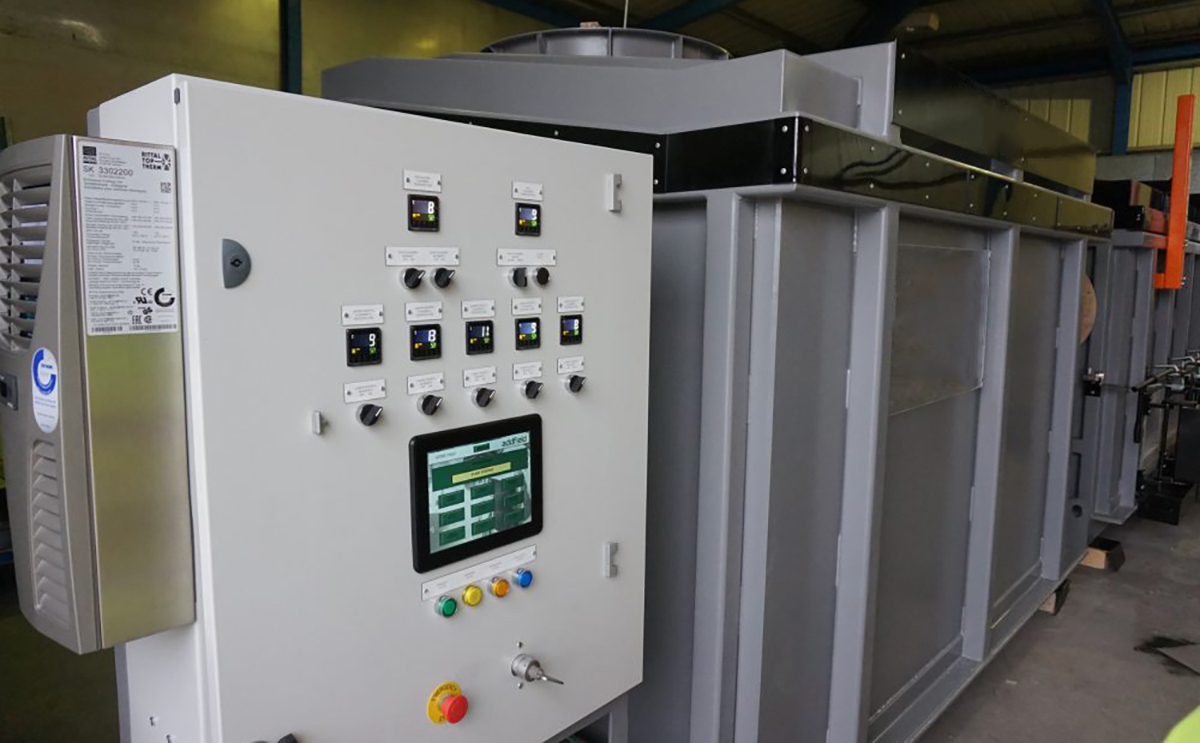
Temperature control issues manifest differently in these environments. Standard PID controllers calibrated for temperate conditions may not respond appropriately to the slower thermal dynamics caused by moisture loading. Temperature sensors can be affected by condensation during startup or shutdown cycles, leading to false readings that cause the control system to under- or over-compensate.
The result is temperature swings that compromise waste destruction efficiency. A dual chamber incinerator design becomes particularly important in these conditions because the secondary chamber can be independently controlled to ensure that volatile organic compounds and particulates are fully oxidized even if primary chamber temperatures fluctuate.
Clinical guidelines for infectious waste treatment generally require a minimum temperature of 850°C in the secondary chamber with a gas residence time of at least two seconds. Maintaining these parameters in humid environments requires careful attention to both chamber design and control system architecture.
Role of Refractory Material Selection
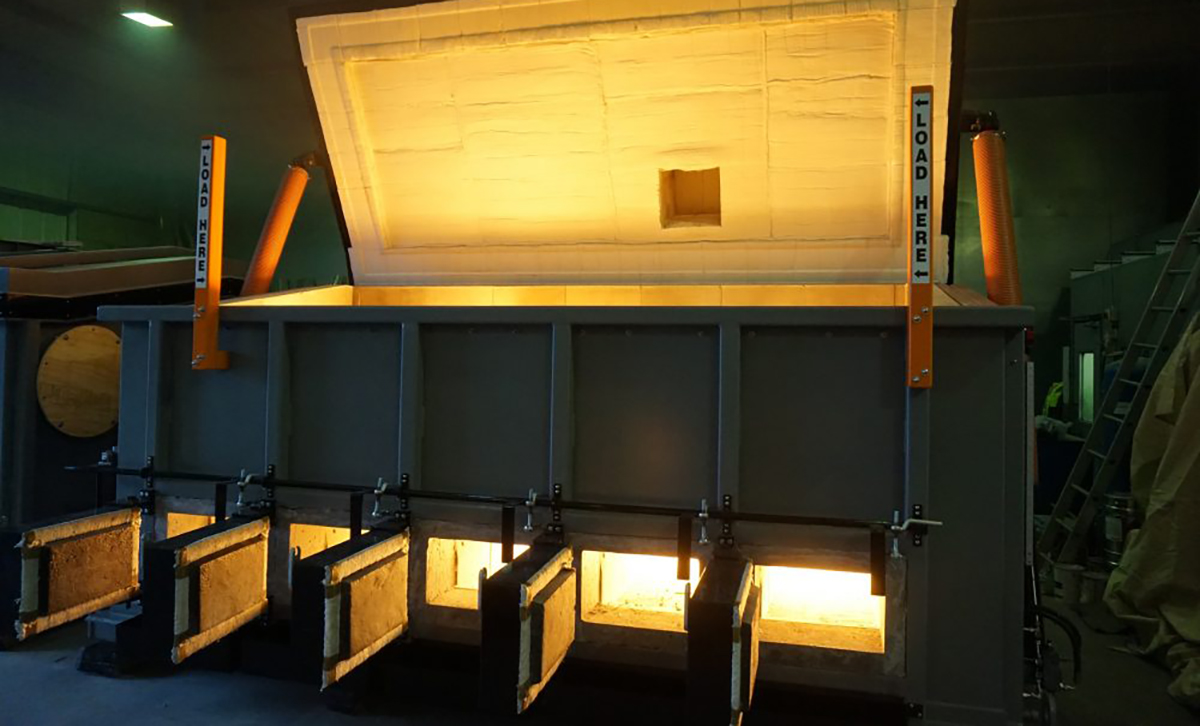
Refractory material performance degrades under conditions of thermal cycling combined with moisture exposure. In humid climates, refractory linings can absorb moisture during downtime, leading to spalling and cracking during heat-up cycles. This accelerates the deterioration of the combustion chamber and increases maintenance frequency.
Standard dense castables may not be appropriate for these environments. Lower-porosity refractories with reduced water absorption characteristics are recommended. Some facilities have found that phosphate-bonded or silicon carbide-based refractories provide better thermal shock resistance and moisture tolerance than conventional alumina-silicate materials.
The choice of refractory material directly affects the lifespan of the incinerator and the consistency of incinerator temperature maintenance. Facilities that cut costs on refractory quality in humid regions typically face refractory replacement within 18-24 months, whereas properly specified materials can last 5 years or more under similar conditions.
Air Supply System Engineering for Humid Environments
Why Standard Fans Fail
The air supply system in a medical waste incinerator must deliver consistent oxygen volumes to the combustion chamber. In humid conditions, standard fan designs can experience performance degradation. Moisture-laden air is denser than dry air, which increases the static pressure load on the fan. This means that for the same fan speed, actual air mass flow decreases.
Additionally, corrosion from the combination of moisture and combustion byproducts accelerates fan degradation. Some facilities in coastal tropical regions have reported fan impeller failure within 6-12 months when using standard carbon steel components.
Engineering solutions include:
- Stainless steel or coated fan impellers resistant to corrosion
- Oversized air supply systems that provide a safety margin of 15-20% above calculated requirements
- Inlet air preheating using waste heat from the exhaust system to reduce relative humidity before combustion
- Variable frequency drives that allow the control system to compensate for changing air density
These modifications increase initial capital costs but reduce operational interruptions and maintain combustion efficiency under variable conditions.
Challenge of Draft Control
Natural draft in chimneys is driven by the temperature difference between exhaust gases and ambient air. In hot climates, this temperature differential is reduced, and the draft decreases. For diesel incinerator systems or those using auxiliary burners, maintaining proper draft becomes a control challenge.
Poor draft control leads to incomplete combustion and, in worst-case scenarios, backflow of combustion gases into the operating environment. This is an immediate safety hazard for healthcare workers. Mechanical draft systems with reliable controls become essential in these regions.
Diesel Incinerator Performance Under High Humidity
Fuel Consumption Patterns
Diesel incinerator systems are commonly deployed where natural gas infrastructure is unavailable, which includes many tropical and remote healthcare facilities. The performance of these systems under high humidity conditions is often disappointing to operators expecting predictable fuel consumption.
Diesel combustion requires precise air-fuel ratios. Humidity in the combustion air reduces the effective oxygen concentration per unit volume, requiring either more air or more fuel to achieve the same thermal output. In practice, this means fuel consumption increases by an estimated 10-20% in high-humidity conditions compared to standard rated consumption.
For facilities operating on tight budgets, this operational cost increase must be factored into the total cost of ownership. Procurement teams evaluating incineration solutions should request fuel consumption data under simulated humid conditions, not just manufacturer-stated ideal values.
Injection System Considerations
Diesel injection nozzle placement and spray pattern become more critical in humid environments. Fuel droplets must be fine enough to achieve complete vaporization and mixing with oxygen before combustion. High humidity can affect droplet formation and combustion kinetics.
Some manufacturers have addressed this by using pre-atomization or heated fuel delivery systems that improve combustion stability. These features may not be standard but can significantly improve combustion efficiency in challenging environments.
For a deeper look into common gaps between manufacturer claims and real-world performance, see What Suppliers Don’t Tell You About Medical Waste Incinerators.
Comparison of Incinerator Options for Humid Tropical Conditions
Single Chamber vs. Dual Chamber Designs
A single-chamber incinerator relies on waste providing the fuel and relies on natural gas flow patterns. In humid conditions, these units are particularly vulnerable to temperature drops during waste loading, leading to incomplete combustion and visible smoke.
Dual chamber incinerator designs offer distinct advantages:
- Primary chamber handles waste dewatering and initial combustion
- Secondary chamber maintains independent temperature for gas-phase destruction
- Independent air supply control to each chamber optimizes oxygen delivery
Clinical evidence consistently supports the use of dual-chamber designs for biomedical waste incineration, particularly when processing the high-moisture waste streams common in tropical healthcare settings. The additional capital cost is typically recovered through improved uptime and reduced maintenance.
A structured framework for comparing incinerator options—including cost, performance in varying climates, and long-term maintenance—is available in the Medical Waste Incinerator Buying Considerations guide.
Large Scale vs. Small Scale Incinerator Options
Facility size does not necessarily correlate with climate suitability. A small scale incinerator designed for a rural clinic must handle the same basic combustion challenges as a larger facility’s system, just at lower throughput.
Smaller systems face a particular challenge with thermal mass. With less refractory material to buffer temperature fluctuations, small scale incinerators are more susceptible to temperature drops during waste loading. This can be addressed through:
- Batch loading protocols that limit wet waste per cycle
- Preheating cycles that bring the chamber to operating temperature before waste introduction
- Auxiliary burners rated for the higher heat demand of moist waste
Many operators in tropical regions have found that a small scale incinerator with a diesel burner and a properly sized secondary chamber is more reliable than larger systems that were not designed for the climate.
Waste Preprocessing Strategies for High-Moisture Waste
Clinical Reality of Wet Waste Management
Wet waste management begins before the waste enters the incinerator. In tropical hospitals, the time between waste generation and treatment is critical. Waste that sits in open containers for more than 24 hours in hot, humid conditions undergoes anaerobic decomposition, generating methane and other gases that alter the combustion characteristics.
Aggressive segregation programs that separate heavy wet waste from combustible waste improve incinerator performance. Some facilities have implemented:
- Dedicated wet waste pre-storage with drainage to reduce moisture content
- Mixing protocols that combine wet and dry waste to achieve more consistent fuel characteristics
- Hydraulic pressing to remove excess fluid from pathological waste before incineration
These preprocessing steps may not be feasible for every facility but represent best practices for facilities struggling with temperature control issues traceable to waste moisture content.
Chemical Stabilization Considerations
There is ongoing debate in the waste treatment community about whether chemical stabilization of wet waste prior to incineration is clinically justified. Some facilities use lime or other desiccants to reduce moisture content, but this adds chemical handling and disposal complexity.
Current expert consensus suggests that engineering solutions—proper combustion chamber design, adequate air supply system capacity, and reliable temperature control—are preferable to chemical pretreatment for most healthcare settings. Chemical treatment should be reserved for specific waste streams where incineration is not immediately possible.
Combustion Efficiency Optimization in Humid Conditions
Real-Time Monitoring and Control
Modern incineration solutions for tropical regions should include continuous monitoring of:
- Combustion efficiency indicators including carbon monoxide and oxygen levels
- Incinerator temperature at multiple points in both chambers
- Moisture content of incoming waste (at least by estimation)
- Chimney draft and exhaust gas temperature
These data points allow operators to adjust fuel input and air supply in real time as conditions change. Facilities that implement adaptive control algorithms report 15-25% improvements in fuel efficiency and more consistent waste destruction.
The Question of Waste Sorting Intensity
There is a tension between the ideal of complete waste segregation and the operational reality in busy tropical hospitals. Some incinerator manufacturers recommend highly segregated waste streams to optimize combustion. However, the clinical evidence suggests that realistic sorting—separating sharps, chemical waste, and general infectious waste from recyclables—is sufficient when the incinerator is properly designed for mixed waste.
Aggressive sorting programs that attempt to separate waste by moisture content often fail because the clinical staff dedicates insufficient time to the process. Engineering the hospital waste incinerator to handle realistic waste streams is a more reliable approach than demanding perfect sorting.
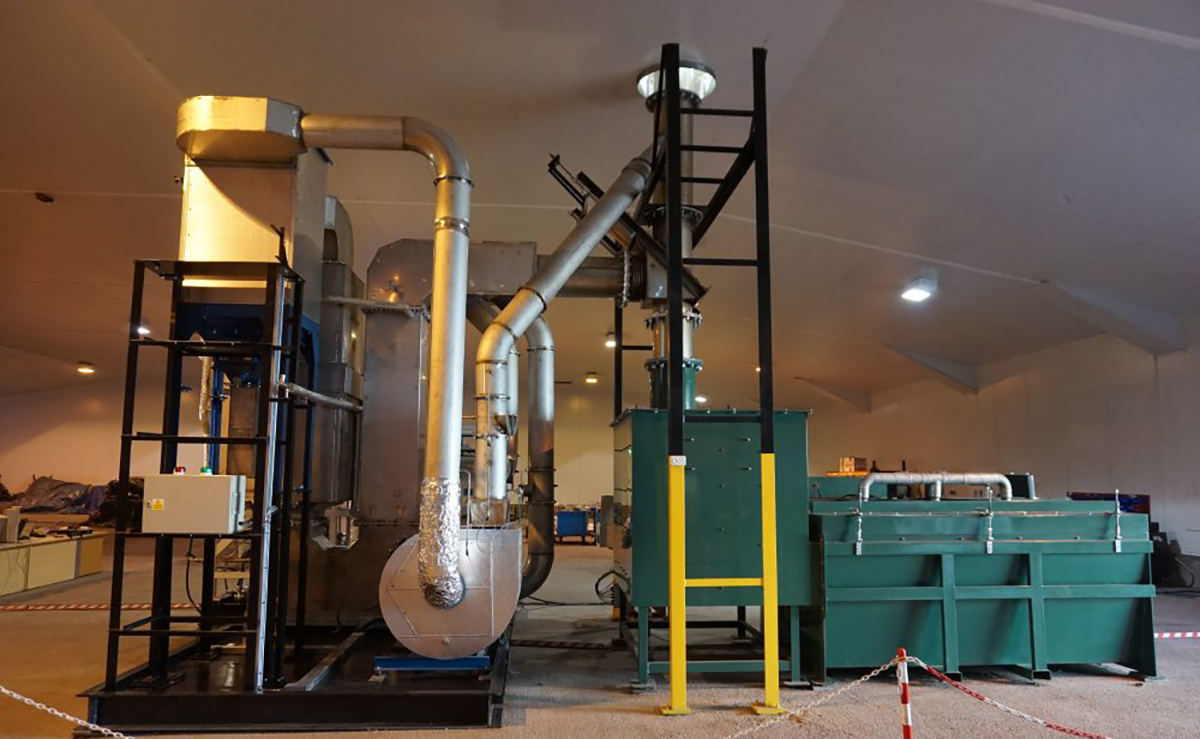
Refractory and Structural Considerations
The combination of hot climate temperatures, daily thermal cycling, and intermittent rainfall creates a corrosion environment that is distinct from either continuous high-temperature operation or temperate conditions.
Refractory material selection should prioritize:
- Low porosity (<12% apparent porosity)
- High thermal shock resistance (ability to withstand at least 10 cycles of 300°C to 800°C)
- Chemical resistance to the acidic gases produced from medical waste combustion
Some facilities have adopted modular refractory linings that can be replaced without full chamber reconstruction. This approach reduces downtime when refractory degradation does occur.
Deep Insight: Environmental Dimension
The conversation about medical waste incinerator performance in humid regions cannot be separated from the broader environmental context. Tropical regions often have higher ambient temperatures, stronger solar radiation, and more intense rainfall events. These factors affect:
- Energy balance of the incineration system
- Emission dispersion patterns
- Personnel comfort and operational reliability
A hospital waste incinerator that performs well in these regions must also account for the fact that the surrounding community may be more vulnerable to air pollution effects due to higher background temperatures and lower healthcare resources.
It is worth noting that the World Health Organization’s guidelines for biomedical waste incineration recognize regional variability and recommend performance-based standards rather than prescriptive design requirements. This creates an opportunity for facilities in tropical regions to specify equipment that is validated under local conditions, not just compliant with generic standards.
Conclusion: Engineering for Reality
The operational performance of medical waste incinerators in high-humidity and tropical regions depends on how thoroughly the engineering accounts for real-world conditions. The key factors that determine success include:
- Combustion efficiency must be maintained through proper air supply and temperature control, accounting for the energy demand of water vapor
- Temperature control issues require dual-chamber designs and robust control algorithms that can adapt to changing waste moisture
- Refractory material selection must prioritize moisture resistance and thermal shock tolerance
- Air supply system capacity must include margins for ambient humidity and temperature
- Diesel incinerator configurations need fuel and injection system adjustments for humid operation
Healthcare facilities in these regions should evaluate incineration equipment based on demonstrated performance under their specific climate conditions, not just manufacturer claims. The upfront cost of properly specified equipment is reliably offset by reduced operational costs, fewer maintenance interruptions, and consistent regulatory compliance.
For operators who already face performance issues, the practical troubleshooting resource Medical Waste Incinerator Not Burning Properly: Causes and Solutions provides diagnostic steps specific to humid-environment failures.
BiosafePro’s approach to these challenges includes dual-chamber designs with independent temperature control, corrosion-resistant air supply components, and refractory materials validated for high-moisture environments. Each system can be configured with oversized air handling and adaptive control algorithms to maintain combustion efficiency under variable conditions.