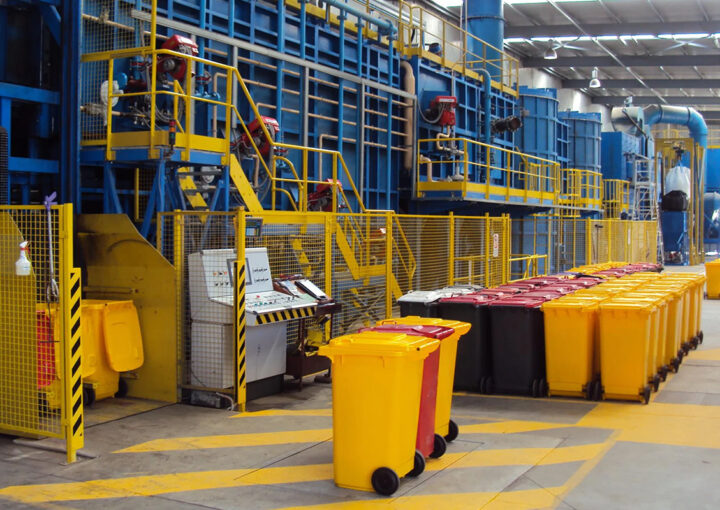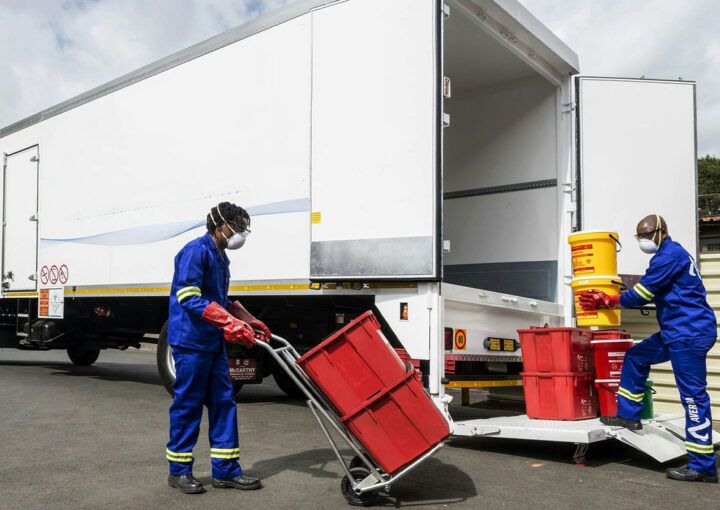



Selecting the right fuel for a medical waste incinerator is a decision with long-lasting financial and operational consequences. The choice between diesel and gas affects daily fuel consumption, emissions compliance, maintenance complexity, and even the ability to process certain waste streams reliably. Yet many procurement decisions are made based on initial equipment quotes alone, without a systematic evaluation of how incinerator fuel type interacts with local infrastructure, waste composition, and regulatory trends.
Why This Decision Deserves Deeper Scrutiny
Healthcare waste volumes continue to rise globally, driven by increased use of single-use materials and expanding healthcare access. At the same time, emissions regulations are tightening, particularly around dioxins, furans, and particulate matter. The incinerator efficiency achieved by a given fuel type directly determines whether a facility can meet these standards without costly after-treatment upgrades.
Recent volatility in global energy markets has further complicated the picture. Facilities that chose diesel five years ago based on stable pricing now face 30–50% higher fuel consumption costs in some regions. Conversely, gas-dependent facilities in areas with pipeline disruptions have experienced unplanned shutdowns. Understanding the full trade-offs between diesel incinerator and gas incinerator systems is no longer optional—it is essential for responsible capital planning.
Diesel Incinerator Systems: Proven Reliability with Hidden Costs
Combustion Fundamentals and Fuel Handling
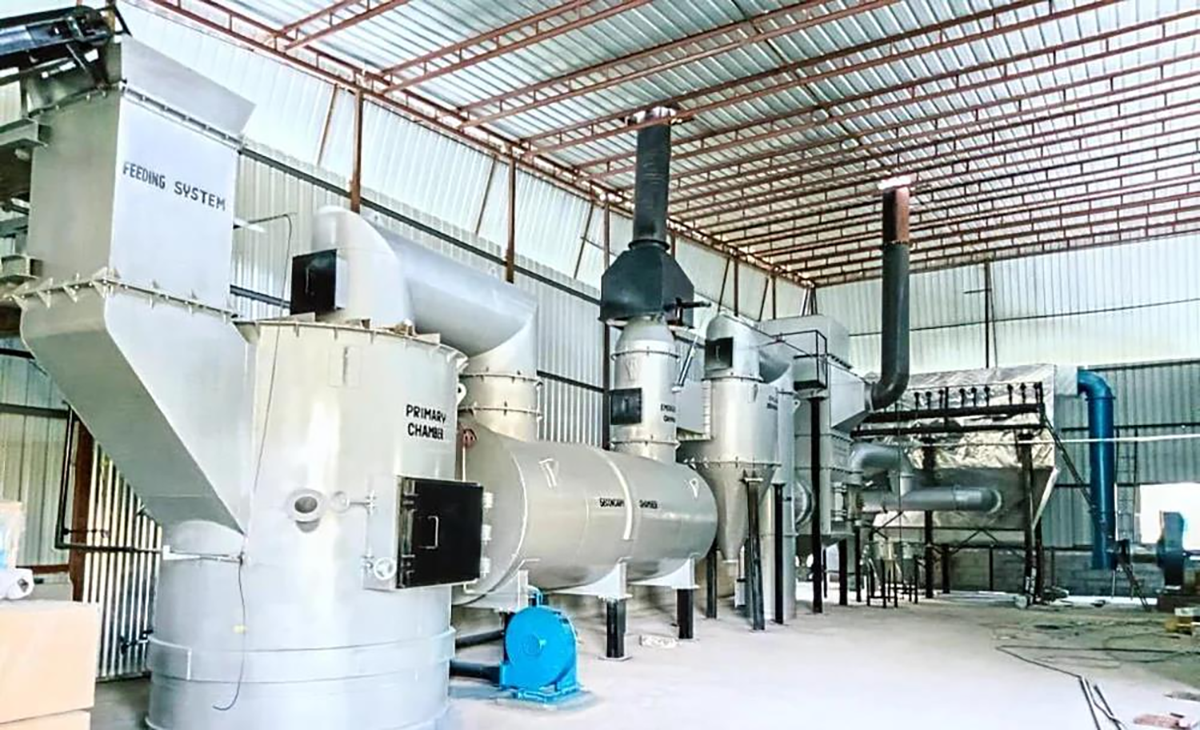
Diesel incinerator designs rely on high-pressure injection systems that atomize liquid fuel into fine droplets for efficient combustion. The energy density of diesel (42–45 MJ/kg) provides excellent heat release per unit volume, making it attractive for facilities without access to natural gas pipelines. However, achieving consistent combustion efficiency requires meticulous fuel quality management.
Diesel fuel is hygroscopic and supports microbial growth in storage tanks. Water contamination as low as 0.1% can reduce combustion temperature by 50–80°C, leading to incomplete destruction of pathogenic waste. Facilities that fail to implement regular fuel testing—including water content, microbial counts, and particulate levels—often experience increased fuel consumption as the burner compensates for lower calorific value.
Real-World Clinical Consequences
Consider a regional hospital in the Canadian prairies that operated a diesel-fired medical waste incinerator for over a decade. During a particularly cold winter, repeated fuel gelling events caused the burner to cycle erratically. The resulting temperature fluctuations in the primary chamber dropped below the 850°C threshold required for complete sterilization of infectious waste. Though the emissions monitoring system did not immediately flag an alarm, subsequent ash analysis revealed viable bacterial spores in 12% of samples.
The clinical consequence was severe: the hospital had to recall and re-incinerate over 400 kg of treated waste, disrupting surgical schedules and increasing exposure risk for waste handlers. This incident could have been avoided with fuel heating systems and proper winterization—add-ons that add 10–15% to the initial incinerator investment but are often omitted in budget-focused procurement.
Maintenance Burden and Downtime
Diesel burners require injector nozzle cleaning or replacement every 200–400 operating hours, depending on fuel quality. Carbon buildup on nozzles degrades spray patterns, reducing incinerator efficiency by 8–12% over a typical 3-month operating cycle. Facilities without in-house maintenance capabilities may face 2–5 days of downtime per quarter for burner servicing.
For facilities processing high volumes—over 500 kg/day—this downtime can create a backlog of untreated waste, requiring expensive contingency hauling to third-party facilities. A 2023 survey of North American hospitals found that diesel-fired medical waste incinerator operators reported 18% higher unplanned maintenance costs compared to gas-fired counterparts, primarily due to fuel system issues.
Gas Incinerator Systems: Cleaner Combustion with Infrastructure Dependencies
Combustion Dynamics and Efficiency Advantages
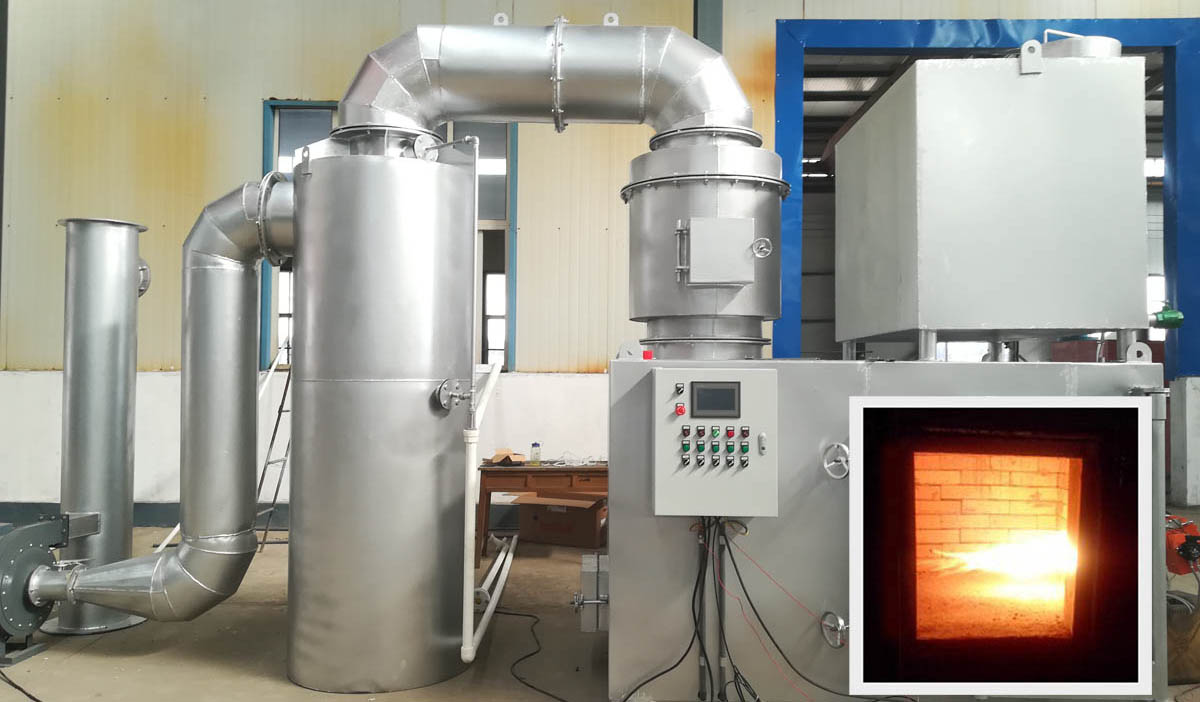
Gas incinerator systems burn natural gas or propane with flame temperatures that can be precisely controlled through gas-air ratio modulation. Natural gas has a lower carbon-to-hydrogen ratio than diesel, resulting in approximately 30% less CO₂ per unit of energy released. More importantly, combustion efficiency for modern gas burners routinely reaches 93–97%, compared to 85–90% for diesel under optimal conditions.
This higher efficiency translates directly to lower fuel consumption per ton of waste processed. A 500-bed teaching hospital in Germany documented a 14% reduction in total fuel consumption after switching from diesel to natural gas, despite processing the same waste volumes. The improvement came primarily from reduced secondary chamber fuel use, as gas burners maintain stable temperatures with less overshoot and undershoot.
Operational Flexibility and Load Response
Gas burners respond to load changes almost instantaneously—within 1–2 seconds—compared to 5–10 seconds for diesel systems. This responsiveness is critical when processing heterogeneous medical waste streams that vary in moisture content and calorific value. Anatomical waste with high water content requires rapid temperature recovery after each batch; gas systems maintain average incinerator efficiency 6–8% higher in such applications.
However, gas systems are not without challenges. Natural gas supply pressure fluctuations—common during peak winter demand—can cause burner instability if the system lacks pressure regulation. Facilities in areas with aging gas infrastructure should specify pressure-boosting equipment as part of the incinerator types evaluation.
Infrastructure and Regulatory Considerations
Gas-fired medical waste incinerator installations require connection fees, pipeline extension costs (if gas is not available at the property line), and potentially gas metering upgrades. These costs range from 25,000 depending on proximity to existing mains.
More critically, gas systems are vulnerable to supply interruptions. During extreme weather events, natural gas utilities may prioritize residential heating over industrial customers. Facilities relying solely on gas should evaluate backup fuel capability—either diesel dual-fuel burners or temporary propane connections.
Diesel vs Gas Across Key Dimensions
| Dimension | Diesel | Gas |
| Combustion Efficiency | 85–90% (degraded by fuel contamination) | 93–97% (consistent with proper tuning) |
| Fuel Cost Stability | Highly volatile; ±25% annual swings common | Moderately stable; ±10% typical |
| Emissions Profile | Higher NOx, SOx, particulate; requires scrubbers for strict limits | Lower NOx, minimal SOx; easier compliance |
| Maintenance Intensity | Fuel injectors every 200–400 hrs; tank cleaning annually | Burner servicing every 500–1000 hrs; minimal fuel-side work |
| Infrastructure Cost | 8000-18,000 for storage and containment | 2000-25,000 for gas connection |
| Operational Autonomy | High (independent of external supply) | Low (dependent on grid reliability) |
| Cold Climate Performance | Requires fuel heating; potential gelling | No cold-weather issues (gas remains gaseous) |
Beyond Fuel Type: System-Level Performance Factors
The debate over diesel vs gas often obscures a more important consideration: how the incinerator fuel interacts with the entire combustion system design. Combustion efficiency is not solely a function of fuel chemistry—it depends equally on burner design, secondary chamber geometry, and heat recovery integration.
For example, many incinerator types employ a two-stage combustion process. The primary chamber dries and ignites waste, while the secondary chamber burns volatile gases at temperatures above 1100°C for at least 2 seconds. Achieving these conditions reliably requires precise fuel-air ratio control. Gas systems generally offer finer control due to the homogeneity of the fuel-air mixture, but advanced diesel burners with electronic fuel metering can narrow the gap.
Heat recovery systems that preheat combustion air using exhaust gas energy can reduce fuel consumption by 12–20% regardless of fuel type. Facilities evaluating new medical waste incinerator systems should request performance data that includes these integrated efficiency measures, not just burner-level specifications.
Understanding why a medical waste incinerator might not be burning properly—whether due to fuel issues, burner wear, or control system faults—is essential for maintaining performance. A detailed analysis of common causes and solutions can be found here.
Matching Fuel Type to Facility Profile
When Diesel Is the Better Choice
- Remote facilities without gas pipeline access
- Emergency preparedness priorities requiring fuel independence
- Existing infrastructure (storage tanks, handling equipment) already in place
- Multi-fuel flexibility needs (dual-fuel burners)
When Gas Is the Better Choice
- Urban hospitals with reliable gas supply
- Strict emissions regulations (e.g., CDC guidelines and WHO recommendations on healthcare waste treatment)
- High throughput operations requiring maximum incinerator efficiency
- Limited on-site space for fuel storage
Hybrid and Future-Proof Options
Dual-fuel burners capable of operating on either diesel or natural gas offer a compelling compromise. The incremental cost of 15–25% over single-fuel systems can be recouped in 2–4 years through fuel price arbitrage and reduced downtime risk. Facilities in regions with expanding natural gas infrastructure may start with diesel and convert later.
Many suppliers do not fully disclose the long-term operational costs associated with different fuel types. What suppliers don’t tell you about medical waste incinerators often includes hidden maintenance expenses, fuel quality requirements, and performance degradation over time.
High-Performance Incinerators: What Makes the Difference
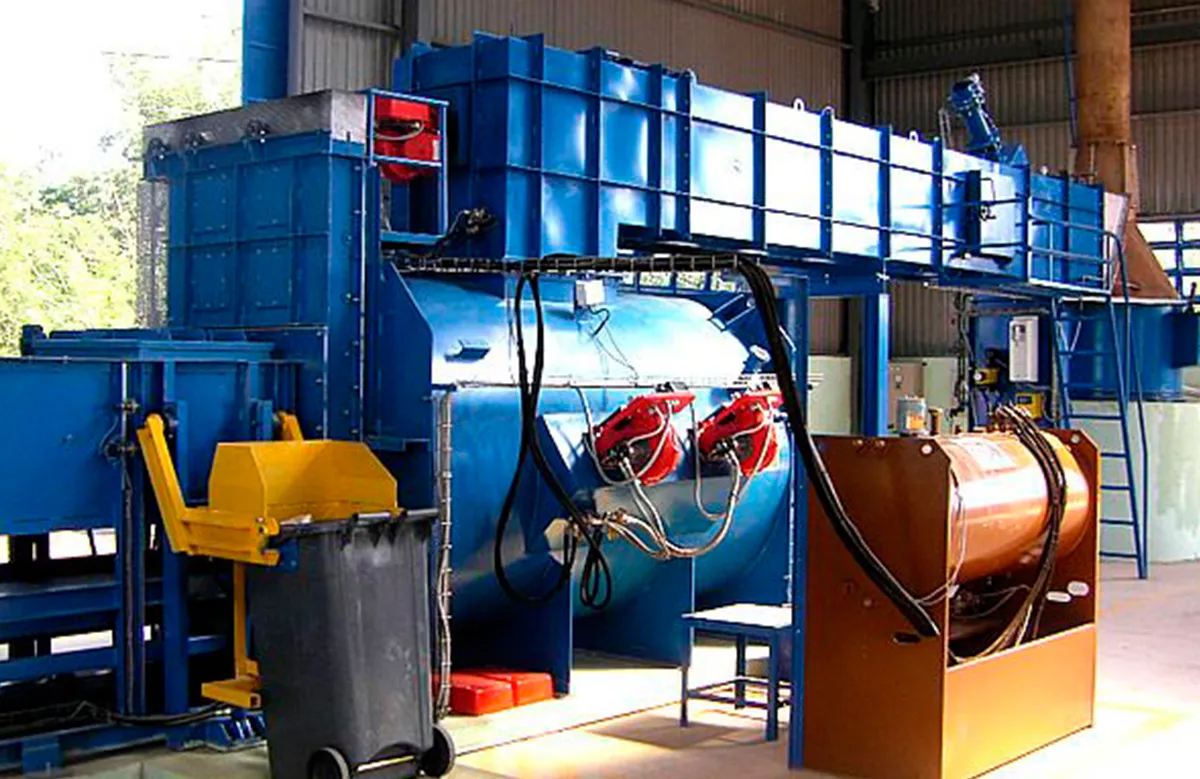
Not all medical waste incinerator designs deliver the same performance, even when using the same incinerator fuel. The best fuel in an inefficient system will still result in high operating costs and compliance risks. Key technical features that define a high-performance system include:
- Advanced burner controls with oxygen trim and variable-speed fans
- Secondary chamber residence time meeting or exceeding 2 seconds at 1100°C
- Heat recovery systems that preheat combustion air
- Automated ash removal to maintain consistent draft conditions
For a deeper look at what makes a high-performance medical waste incinerator, including specific technical features that impact combustion efficiency and fuel consumption, refer to this technical overview.
Facilities that invest in these features, combined with the appropriate fuel type, typically achieve 15–25% lower total cost of ownership over 10 years compared to baseline systems.
Conclusion: A Decision Framework for Procurement Teams
The choice between diesel vs gas medical waste incinerators is not a one-size-fits-all decision. It requires balancing fuel consumption costs, combustion efficiency targets, infrastructure realities, and regulatory trajectories. Facilities should conduct a structured evaluation that includes:
- Fuel price modeling over 5- and 10-year horizons, including carbon pricing scenarios
- Waste composition analysis to determine required temperature profiles and load variability
- Infrastructure audit for gas availability, electrical capacity, and space constraints
- Maintenance capability assessment—diesel systems demand more frequent technical intervention
BiosafePro medical waste incinerators are engineered to optimize incinerator efficiency across both fuel types, with modular burner configurations that can be adapted to site-specific needs. Our systems incorporate secondary chamber residence time monitoring, automated combustion control, and optional heat recovery that reduces fuel consumption by up to 18%. Whether your facility requires a diesel-fired system for remote operation or a gas-fired system for maximum emissions compliance, BiosafePro provides the technical expertise to match incinerator types to operational requirements.
Contact our engineering team for a comprehensive feasibility assessment that includes fuel cost projections, infrastructure requirements, and total cost of ownership analysis tailored to your facility.