

By BiosafePro Editorial Team | Biomedical Waste Management Specialists
BiosafePro is a professional manufacturer and global supplier of medical waste management solutions, including a full range of sharps disposal containers certified to international standards. Our team works directly with hospitals, laboratories, distributors, and procurement officers across more than 30 countries.
The Supplier Choice Matters More Than the Product Alone
In clinical waste management, procuring a disposable sharps container seems straightforward at first glance. However, experienced procurement managers, hospital supply chain directors, and medical equipment distributors know that evaluating a sharps disposal container goes far beyond inspecting a piece of molded polypropylene plastic.
According to a global systematic review published in the Annals of Global Health, healthcare workers face substantial occupational risks from needle-stick injuries (NSIs), where proper container design and disposal play a vital role in prevention
When sourcing medical waste management solutions for hospitals, clinical laboratories, or regional distribution networks, a reliable sharps container manufacturers partner must deliver far more than standard off-the-shelf items. Procurement leads need total confidence in:
- Consistent Product Quality: Ensuring every batch strictly prevents needle-stick injuries and biohazard leakage.
- Stable Production Capacity: Eliminating stockouts during peak demands or healthcare emergencies.
- Comprehensive Documentation Support: Guaranteeing fast customs clearance and seamless regulatory audits.
- Flexible Customization Options: Supporting private labeling, custom colors, and regional compliance adjustments.
- Long-Term Supply Capability: Maintaining stable pricing structures for multi-year healthcare contracts and government tenders.
Choosing the wrong vendor introduces severe operational risks: delayed shipments, batch-to-batch quality discrepancies, non-compliance with local health authorities, and an inability to fulfill downstream obligations to clinical end-users.
Before committing capital and risking brand reputation, healthcare buyers must evaluate these five essential questions to select the right manufacturing partner.
Does the Supplier Offer the Right Sharps Container Options for Your Market?
Medical waste handling varies significantly across hospital departments, ambulatory clinics, emergency services, and home-care environments. A single design cannot meet every operational requirement. A specialized vendor should offer a comprehensive portfolio designed for diverse clinical workflows.
Portfolio Diversity & Departmental Suitability
Buyers must ensure the supplier produces various sharps container sizes—ranging from personal 0.1-liter pocket containers for home care nursing to high-volume 30-liter floor-standing vessels for surgical theaters. Furthermore, opening mechanisms must match specific clinical needs:
- Counterbalanced Drop Openings: Ideal for hands-free disposal in high-volume settings.
- Needle Unlocking / Removal Slots: Designed for phlebotomy trays to safely detach needles without manual contact.
- Dual-Opening Lids: Accommodating temporary closures between procedures and permanent locking mechanisms for final incineration.
To explore how product design directly impacts safety and market adoption, read our comprehensive analysis on what buyers should know before choosing a sharps container.
Key Questions Buyers Must Ask:
- Can the supplier provide a complete range of volumes and mounting configurations under a single certified framework?
- Are the containers certified for specialized environments, such as cytotoxic waste or radioactive sharps?
- Can the manufacturer recommend tailored product portfolios based on historical demand trends in your specific regional market?
For distributors, a supplier with a complete product range makes it easier to serve different healthcare customers without sourcing from multiple manufacturers.
Can the Supplier Provide Quality Documentation and Compliance Support?
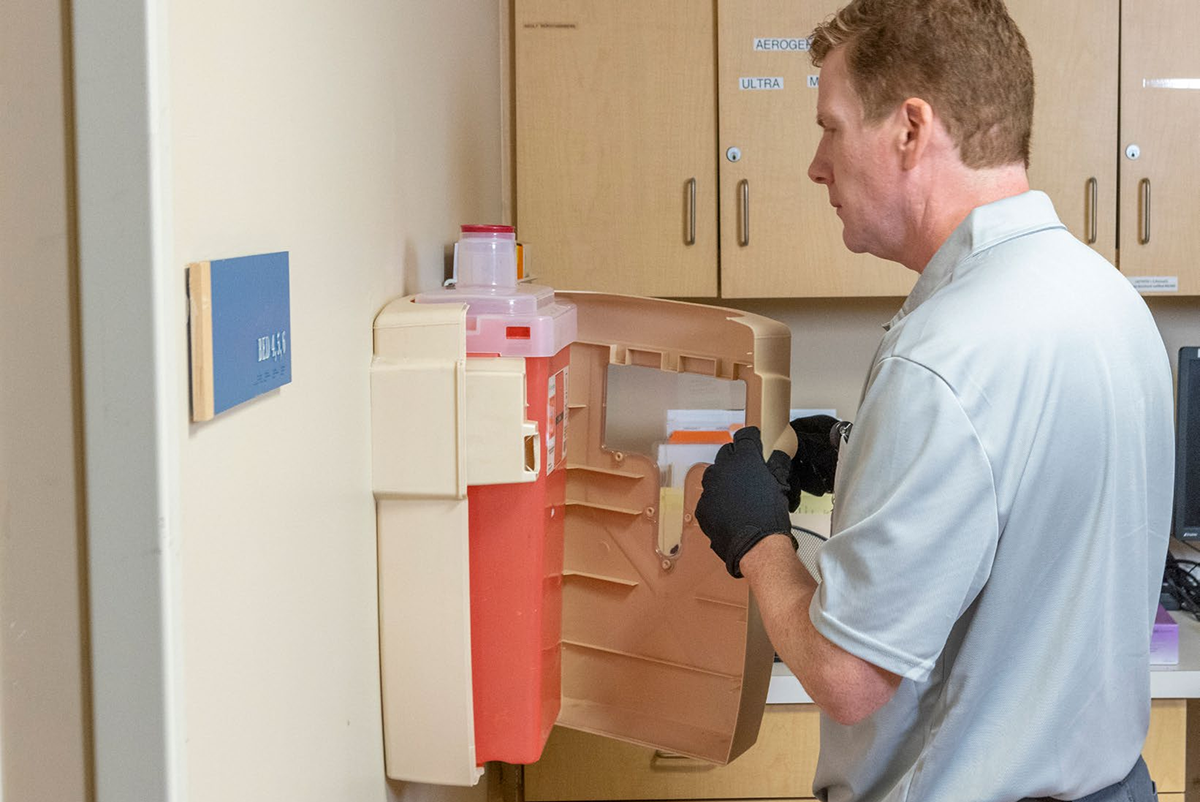
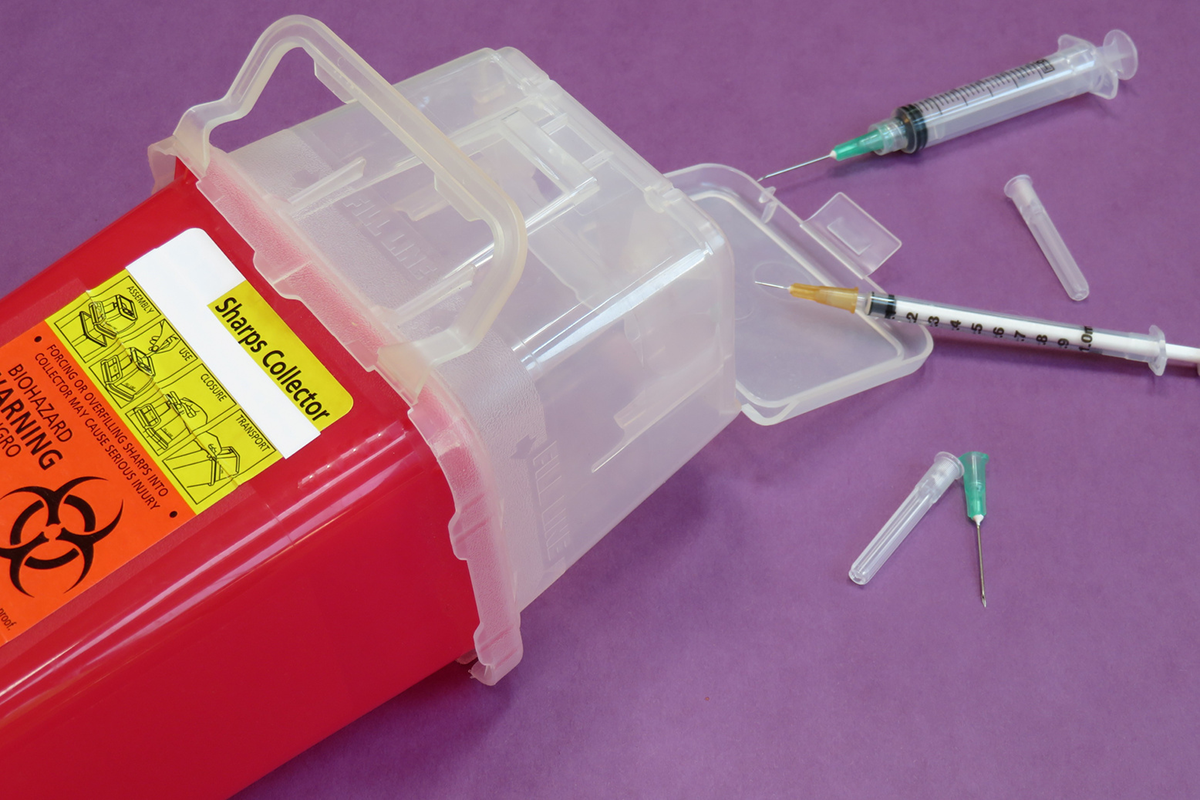
A puncture resistant sharps container is classified as a critical medical accessory designed to isolate biohazardous materials and protect healthcare personnel from Bloodborne Pathogens (such as Hepatitis B, Hepatitis C, and HIV). Importing uncertified or under-documented containers often results in customs seizures, rejected hospital audits, and severe financial liabilities.
Essential International Standards & Directives
Distributors and procurement officers must verify that the manufacturer complies with internationally recognized engineering and safety benchmarks:
- BS EN ISO 23907-1:2019 / ISO 23907-2:2019: Specifies stringent requirements and test methods for reusable and single-use sharps injury protection containers.
- ASTM F2132: Standard specification for puncture resistance of materials used in medical sharps containers.
- US OSHA 29 CFR 1910.1030: Bloodborne Pathogens Standard mandating containers be puncture-resistant, leak-proof on sides and bottom, and appropriately labeled or color-coded.
- UN Packaging Approvals (UN3291): Required for dangerous goods transport compliance regarding regulated medical waste.
To understand why failing to verify these critical safety credentials leads to impounded shipments and failed inspections, consult our sharps container compliance guide on why some containers fail safety inspections.
Required Documentation Checklist
Before placing a purchase order, request the following verified documentation package:
- ISO 13485:2016 Certification (Quality Management Systems for Medical Devices)
- CE Declaration of Conformity & FDA 510(k) Clearance (where applicable)
- Third-Party Puncture & Impact Test Reports from accredited laboratories (e.g., SGS, TÜV Rheinland)
- Material Safety Data Sheets (MSDS) verifying heavy-metal-free, incinerable polypropylene polymers
- Certificate of Free Sale (CFS) for seamless customs entry
For government tenders and hospital projects, incomplete documentation can delay approval or disqualify a bid.
A qualified sharps container supplier should understand international purchasing requirements and help customers prepare materials efficiently.
Does the Supplier Have Stable Production and Bulk Supply Capability?
While many small-scale factories offer low initial quotes for sample purchases, real-world hospital contracts demand sustained, large-scale output. A supply chain bottleneck at the factory level can lead to stock depletion in clinical facilities, exposing healthcare workers to unsanitary waste accumulation.
“In hospital supply chains, a delay in delivering basic biohazard containment creates immediate operational gridlock across clinical departments.” — Journal of Hospital Infection Management
Evaluating Manufacturing Robustness
When sourcing bulk sharps containers, buyers must evaluate the vendor’s physical infrastructure:
- Automated Injection Molding: Look for facilities utilizing high-precision multi-cavity injection molds that guarantee uniform wall thickness—critical for maintaining uniform puncture resistance.
- Virgin Polymer Sourcing: Reputable manufacturers use 100% pure, high-density polypropylene (PP) rather than unverified recycled plastics, which exhibit unpredictable brittle fractures under stress.
- In-Line Quality Assurance: Automated optical inspection systems and drop-test protocols at scheduled batch intervals ensure structural integrity.
To mitigate operational delays and safeguard your distribution channels, review our strategic resource on how to avoid supply chain disruptions when sourcing sharps containers.
Key Questions Buyers Must Ask:
- What is the factory’s monthly unit output and current capacity utilization rate?
- What raw material safety stock levels does the factory maintain to buffer against global polymer market volatility?
- What is the standard lead time for full-container-load (FCL) shipments versus less-than-container-load (LCL) reorders?
For hospitals and distributors purchasing bulk sharps containers, supplier reliability directly affects inventory management and customer satisfaction.
Does the Supplier Support OEM and Customization?
For medical equipment distributors and regional supply chain companies, market differentiation is vital. A direct manufacturer that offers Original Equipment Manufacturing (OEM) and Original Design Manufacturing (ODM) services allows buyers to build private-label equity while adhering to regional healthcare regulations.
A mature supplier should offer extensive customization capabilities, including:
- Private Labeling & Screen Printing: Printing custom hospital group logos, regional emergency contacts, and local-language instruction diagrams directly onto the container wall.
- Color-Coding Adaptation: Adjusting container colors to conform with national waste-segregation policies (e.g., Yellow for infectious waste, Red for biohazard/sharps, Purple for cytotoxic waste, Blue for non-contaminated sharps).
- Custom Packaging Solutions: Providing high-density nested packaging to maximize container shipping volumes and reduce ocean freight costs per unit.
OEM support provides a decisive advantage when bidding on municipal health authority contracts, regional hospital networks, and international humanitarian relief tenders.
A flexible sharps container manufacturer or supply partner can help customers move from simple purchasing to strategic cooperation.
Can the Supplier Support Long-Term Partnership and Tender Projects?
Hospital network contracts and ministry of health tenders are typically awarded on multi-year terms. Winning and retaining these contracts requires a manufacturing partner capable of providing administrative, technical, and commercial backing throughout the contract lifecycle.
Administrative & Tender Assistance
- Issuing official Manufacturer Authorization Letters (MAL).
- Providing localized documentation, formal technical data sheets, and compliant product samples for tender committee review.
Commercial Flexibility
- Offering predictable, multi-year pricing structures to protect distributors against short-term currency or material fluctuations.
- Structuring flexible Minimum Order Quantities (MOQs) for specialized, low-volume product lines.
Account Management
- Assigning dedicated supply chain coordinators to track real-time vessel bookings, customs filings, and post-sale technical support.
When evaluating a sharps container supplier, buyers should look beyond the first order and consider whether the supplier can support future growth.
Why Choosing the Right Sharps Container Supplier Creates Long-Term Value
Price is important, but the lowest price does not always create the lowest cost.
Selecting a reliable partner to buy sharps container inventory isn’t just about minimizing unit costs; it is a strategic decision that protects your organization’s financial health and market reputation.
An experienced supplier helps buyers reduce hidden costs caused by:
- delayed delivery
- inconsistent quality
- additional sourcing work
- failed project approvals
The right supplier becomes a reliable supply chain partner, not just a product seller.
For healthcare distributors and procurement teams, supplier capability should be evaluated from product range, compliance support, production capacity, customization options, and partnership experience.
Conclusión
Choosing a medical waste container manufacturer requires evaluating more than unit costs. Prioritizing long-term supply chain reliability over short-term price discounts protects clinical end-users and safeguards your commercial reputation.
Before placing your next order, evaluate your prospective manufacturing partner against these five core pillars:
- Product Range & Market Suitability: Does their portfolio cover all clinical settings and regional requirements?
- Documentation & Compliance: Do they hold current ISO 13485, ISO 23907, and ASTM certifications?
- Production & Bulk Supply: Can their production capacity scale reliably without sacrificing quality?
- OEM & Customization Support: Can they deliver tailored private-label solutions for your
- Long-Term Tender Support: Will they actively back your multi-year contracts and government bids?
By insisting on these high standards, procurement teams ensure that every sharps disposal container they deploy provides reliable biohazard isolation and safety for healthcare personnel worldwide.
Frequently Asked Questions (FAQ)
What should I look for in a sharps container supplier?
Look for documented compliance with international safety standards (such as ISO 23907-1:2019 and ASTM F2132), verified ISO 13485 manufacturing certifications, stable monthly production capacity, and a complete range of product volumes. A trustworthy supplier should also provide transparent quality testing reports, private labeling options, and clear export documentation.
How do I choose a supplier for bulk sharps containers?
When sourcing bulk sharps containers, evaluate the manufacturer’s automated production infrastructure, raw material quality controls (ensuring 100% virgin polypropylene polymer), container nesting designs to optimize freight volume, and their history of handling large-volume FCL shipments without batch-to-batch quality degradation.
Why is supplier experience important when buying sharps containers?
An experienced manufacturer understands regional medical waste management legislation, customs clearance documentation, and strict puncture-resistance testing requirements. Experienced suppliers help you avoid common pitfalls such as shipment rejections at port customs, structural container failures during transport, and bid disqualifications in institutional healthcare tenders.
What are the common mistakes when selecting a sharps container supplier?
The most common mistakes include prioritizing the lowest unit price over certified wall thickness, failing to verify third-party puncture resistance test reports, ignoring local waste-segregation color codes, working with factories that lack OEM capability, and partnering with vendors that cannot guarantee stable raw material pricing during long-term healthcare contracts.