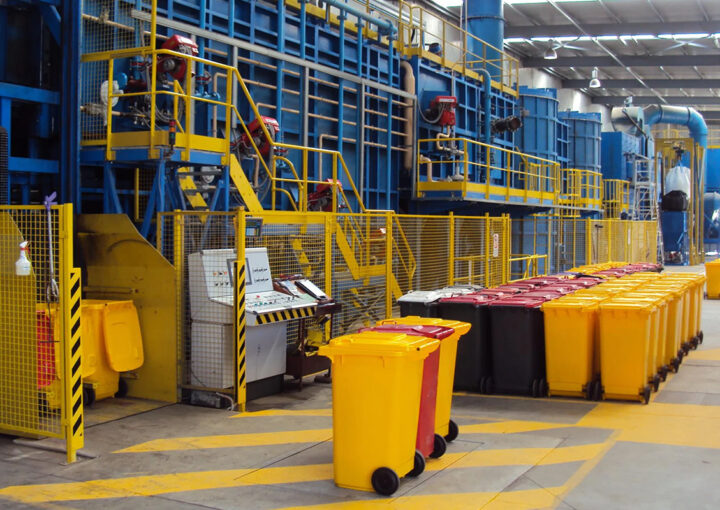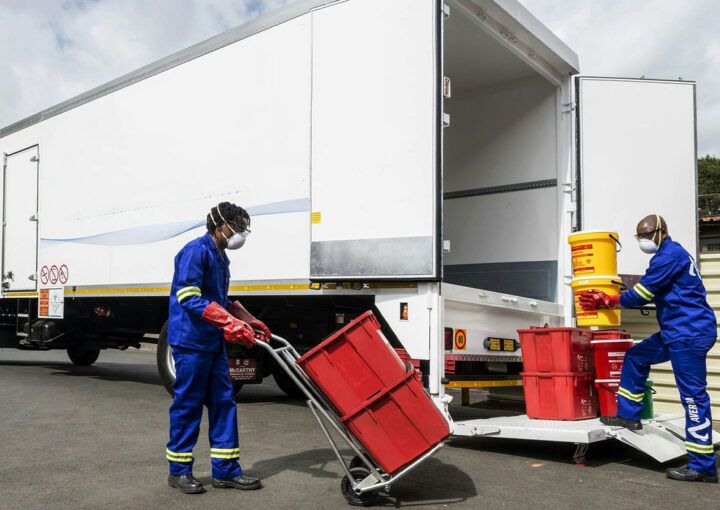



Effective hospital waste management systems are the unseen backbone of clinical safety and public health. As regulations tighten and volumes grow, the choice of medical waste treatment methods moves beyond mere compliance. It becomes a strategic decision impacting operational efficiency, environmental stewardship, and long-term liability. At the heart of many advanced hospital waste disposal methods lies a critical technology: the high efficiency incinerator. But not all systems labeled as such deliver equal performance. True high performance is engineered through specific, non-negotiable technical features that directly determine efficacy, reliability, and total cost of ownership.
Critical Role of Advanced Incineration in Modern Healthcare
While alternative medical waste treatment methods like autoclaving or chemical disinfection have their place for certain waste streams, thermal destruction via incineration remains the definitive solution for a broad spectrum of material. This is particularly true for infectious waste disposal and complex hazardous waste incineration involving pathological, pharmaceutical, and chemical waste. Incineration achieves near-total mass and volume reduction, irreversibly destroys infectious agents and hazardous organic compounds, and is effective regardless of waste composition or moisture content. The challenge, and the mark of a superior system, is achieving this destruction consistently, safely, and with minimal environmental impact. This requires moving beyond basic combustion to a precision-engineered thermal process.
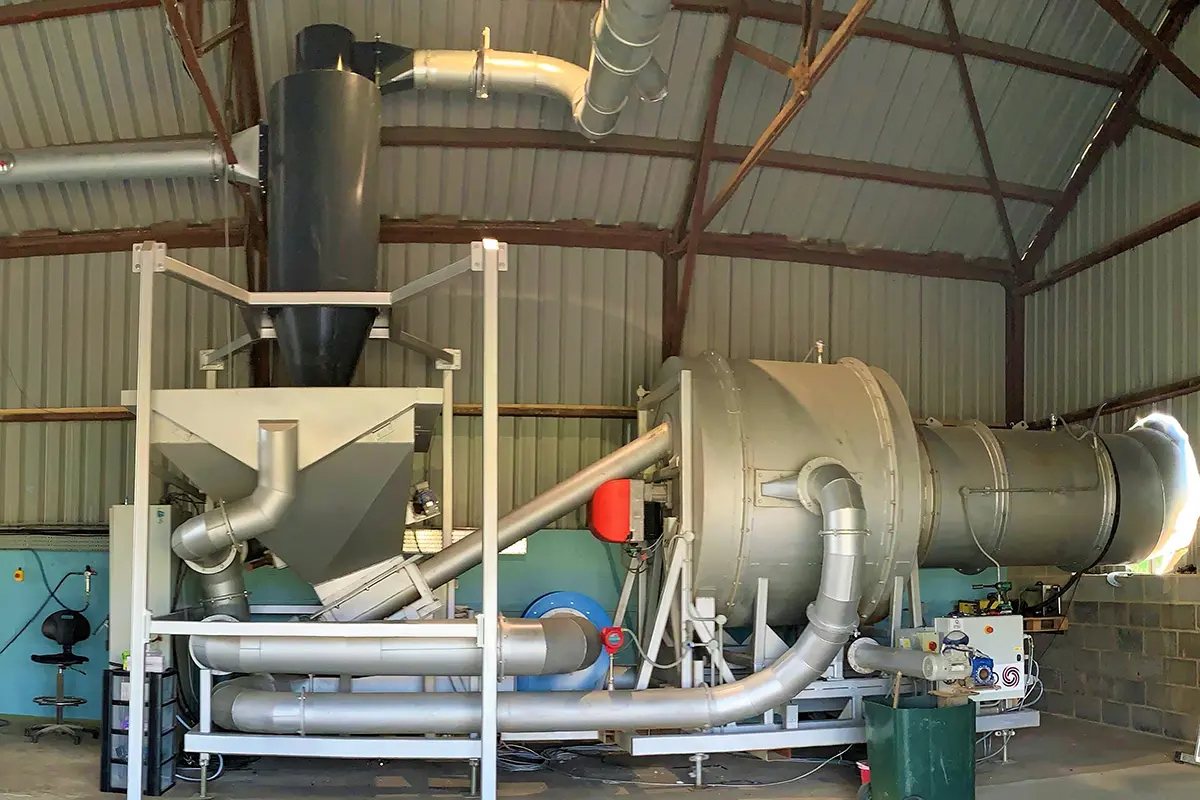
Core Technical Pillars of a Superior Medical Waste Incinerator
Understanding the engineering behind a high efficiency incinerator is essential for making an informed investment. Performance hinges on three interconnected pillars: combustion science, system intelligence, and rugged construction.
1. Combustion Efficiency and Emission Control
The primary function of any incinerador de residuos médicos is complete destruction. Incomplete combustion is not merely an emissions problem; it can result in the release of persistent organic pollutants, dioxins, and furans, creating long-term environmental and legal liabilities. Achieving near-total combustion (DRE >99.99%) is a direct function of time, temperature, turbulence, and oxygen—the “3T+1” principle.
Incinerator Temperature and Residence Time
Contrary to common simplification, a single high temperature is insufficient. Effective hazardous waste incineration requires a meticulously controlled two-stage process. The primary chamber must operate within an optimal range (typically 800°C – 1000°C) to volatilize and gasify solid waste without causing excessive ash slagging. The true critical phase occurs in the secondary chamber. Here, the combustion gases must be held at a minimum temperature (often >1100°C) with a guaranteed residence time of at least 2 seconds. This combination is what ensures the complete breakdown of complex hydrocarbon chains and pathogens. Systems that cannot demonstrably maintain these parameters across varying feed loads are prone to operational and compliance failures.
Advanced Flue Gas Treatment
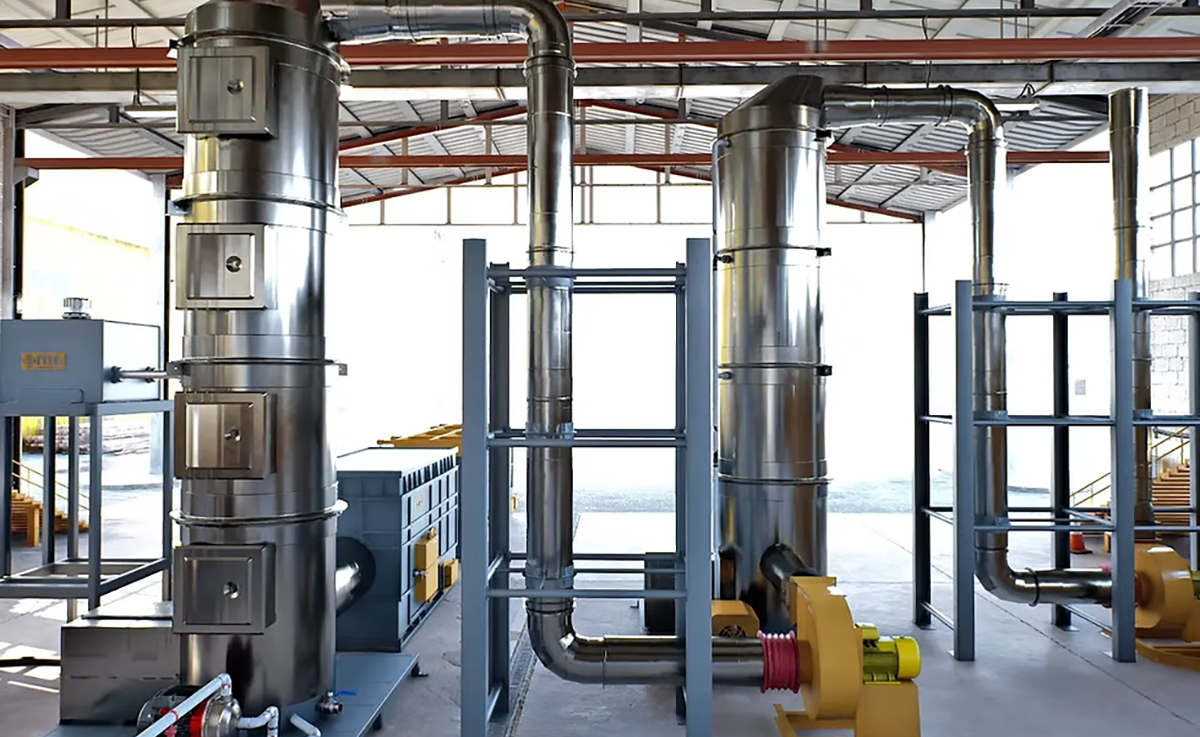
The post-combustion gases contain acid gases (HCl, SOx), particulates, and potential traces of heavy metals. A high-performance system integrates a multi-stage cleaning train. This often includes:
- Rapid Quench Tower: Instantly cools gases to inhibit dioxin reformation.
- Dry or Semi-Dry Scrubber: Injects reagents like lime to neutralize acid gases.
- Fabric Filter Baghouse: A high-efficiency system for capturing fine particulates and reaction products.
- Selective Catalytic Reduction (SCR)or Carbon Injection: For advanced control of NOx and mercury/dioxin respectively.
The integration and sequencing of these components, guided by real-time emissions monitoring, are what differentiate a basic burner from a true environmental control system. For a deeper look into emission technologies, review our analysis on eco-friendly medical waste incinerators and emissions reduction.
2. System Design, Automation, and Operational Intelligence
A medical waste incinerator is not a standalone furnace; it is a process plant. Its waste incinerator design must prioritize operational safety, consistency, and data transparency.
Feed System and Charging Safety
Manual, batch-fed systems pose significant operator risk and create “feast-or-famine” conditions that destabilize combustion. High-performance systems feature automated, controlled-feed mechanisms (ram feeders, screw conveyors) that meter waste into the primary chamber. This maintains a steady thermal load, crucial for stable emissions and liner longevity. An interlocked charging system that prevents door opening during operation is a fundamental safety requirement.
Brain of the System: PLC and SCADA Integration
Consistent performance is impossible without precise control. A robust Programmable Logic Controller (PLC) should autonomously manage the entire sequence: startup, feed rate, incinerator temperature in both chambers, fan speeds, and ash removal. A supervisory control and data acquisition (SCADA) interface allows operators to monitor every parameter in real-time, track historical trends, and generate automated compliance reports. This level of automation minimizes human error, optimizes fuel/energy consumption, and provides an indelible audit trail—a critical feature during regulatory inspections.
3. Material Integrity and Engineering for Durability
The harsh environment inside an incinerator demands exceptional materials. Compromises here lead directly to downtime and costly repairs, undermining the system’s efficiency and economics.
Refractory Lining: First Line of Defense
The refractory lining of the primary and secondary chamber must withstand thermal shock, chemical attack from molten salts/ash, and mechanical abrasion. The choice between different alumina-silica, chrome, or zirconia-based refractories is specific to the expected waste mix and operating temperature. A poor-quality or mismatched refractory will crack and spall, leading to heat loss, structural damage to the outer shell, and catastrophic failure.
Heat Recovery and Energy Integration
While not always a regulatory requirement, energy recovery is a hallmark of an advanced, sustainable hospital waste management system. A waste heat boiler can convert thermal energy into steam for hospital heating, cooling (via absorption chillers), or process sterilization. This transforms a cost center into a partial energy asset, improving the overall facility’s sustainability profile and offering a tangible return on investment. The engineering challenge lies in designing a boiler system that handles highly corrosive flue gases without excessive fouling or corrosion.
A Real-World Perspective on Technology Choices
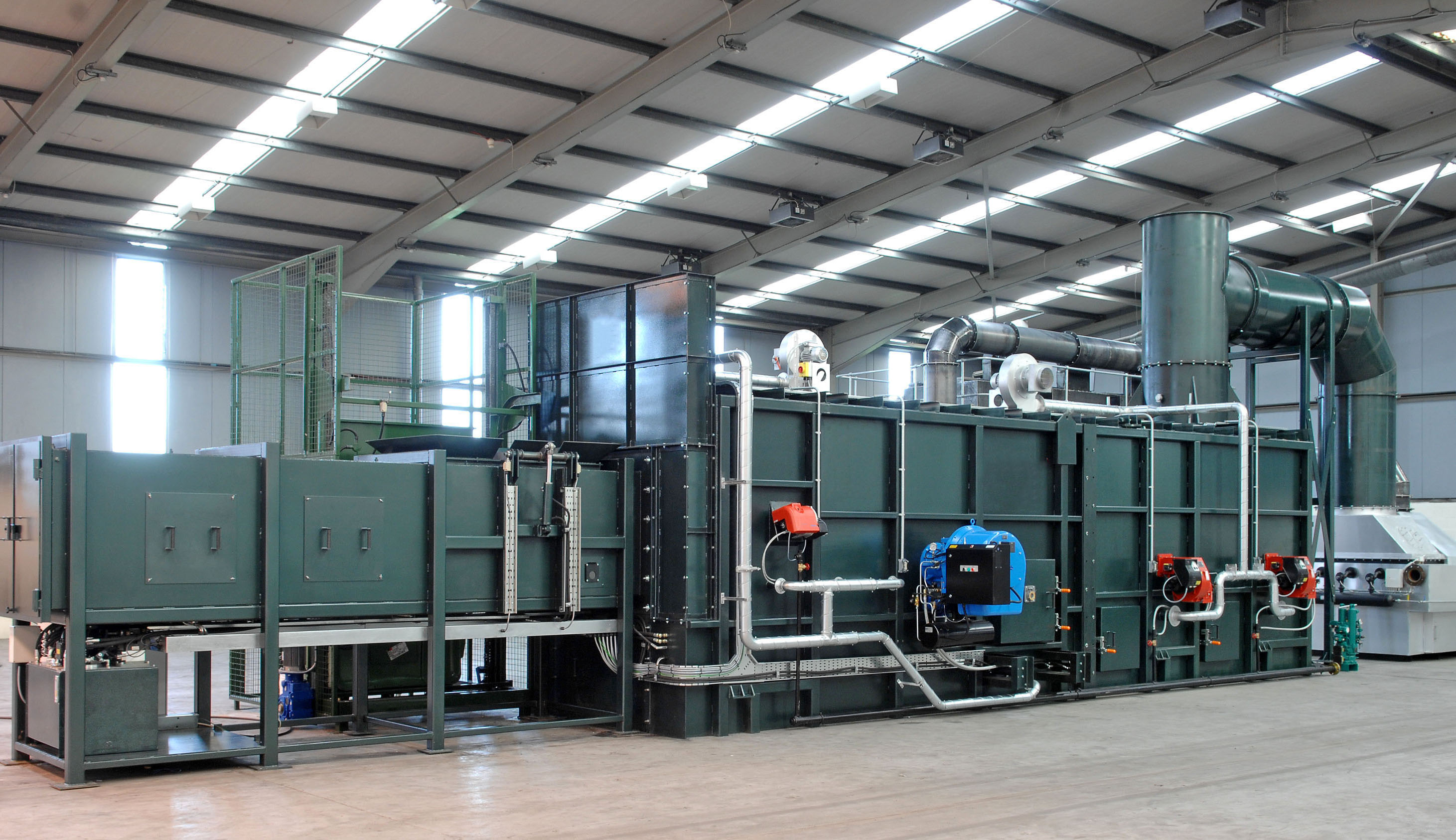
The choice between different medical waste treatment methods and technologies is not purely technical; it has direct operational and clinical consequences. Opting for an undersized or poorly controlled medical waste incinerator leads to bottlenecks in the waste flow. This can result in the unsafe accumulation of infectious waste in storage areas, increasing the risk of sharps injuries, cross-contamination, and pest infestation. Furthermore, an unreliable system prone to breakdowns forces contingency measures, often involving costly emergency off-site disposal services, disrupting budgets and logistics.
A common debate centers on the move towards “non-incineration” technologies. While valuable for specific streams, it’s crucial to understand their limitations for true hazardous waste incineration needs. For example, autoclaves cannot treat pathological waste or chemotherapy residues effectively, and they do not reduce waste volume significantly. Microwave systems may struggle with heterogeneous loads. A truly comprehensive hospital waste disposal system often requires a integrated approach, with a high-performance incinerator as the core solution for the most hazardous fractions, ensuring complete terminal destruction.
Total Cost of Ownership vs. Clinical Risk Mitigation
Evaluating a medical waste incinerator solely on capital expenditure is a critical error. The true metric is Total Cost of Ownership (TCO), which includes fuel consumption, reagent costs, maintenance intervals, refractory lifespan, labor hours, and regulatory compliance costs. A cheaper system with lower thermal efficiency will consume significantly more fuel. A system with a simplistic emission control unit may have lower upfront cost but incur higher expenses for consumables (e.g., lime, carbon) and face non-compliance fines.
More importantly, this financial calculation is inseparable from risk management. A high-performance, reliable incinerator mitigates a spectrum of risks: environmental liability from emissions violations, occupational health risks for staff, and public health risks from inadequate waste destruction. It is, in essence, an insurance policy for the institution’s reputation and operational continuity. Many pitfalls in this evaluation are explored in our resource on what suppliers don’t tell you about medical waste incinerators.
Conclusion: Engineering Safety and Sustainability into Your Operations
Selecting a high efficiency incinerator is a complex, high-stakes decision that defines the safety, efficiency, and environmental responsibility of a healthcare facility’s hospital waste management system. It requires a deep understanding of the interplay between combustion science, mechanical engineering, automated control, and real-world clinical waste streams. The cornerstone features—guaranteed high incinerator temperature with residence time in a robust secondary chamber, intelligent automation, and durable, materials-led waste incinerator design—are not optional extras; they are the very definition of performance.
How BiosafePro Medical Waste Incinerators Are Engineered to Meet These Challenges
At BiosafePro, we engineer our systems around this precise definition of performance. Every BiosafePro incinerator is designed to deliver the critical 3T+1 parameters consistently, supported by a multi-stage emission control train to meet the most stringent global standards. Our focus on advanced PLC/SCADA automation ensures operational stability and complete transparency, while our selection of high-grade refractories and components is aimed at maximizing uptime and minimizing TCO. We understand that effective medical waste treatment methods are the foundation of clinical safety.
If you are evaluating hospital waste disposal methods and require a solution that balances definitive destruction with operational and environmental integrity, we invite you to explore our detailed medical waste incinerator buying considerations or contact our engineering team for a consultation tailored to your specific waste profile and regulatory landscape.