

Understanding Medical Waste: Types, Risks, and Regulatory Essentials
Medical waste covers any materials generated during healthcare activities that could pose a risk to health or the environment if not handled properly. Knowing the types of medical waste is the first step toward safe disposal.
Common Types of Medical Waste
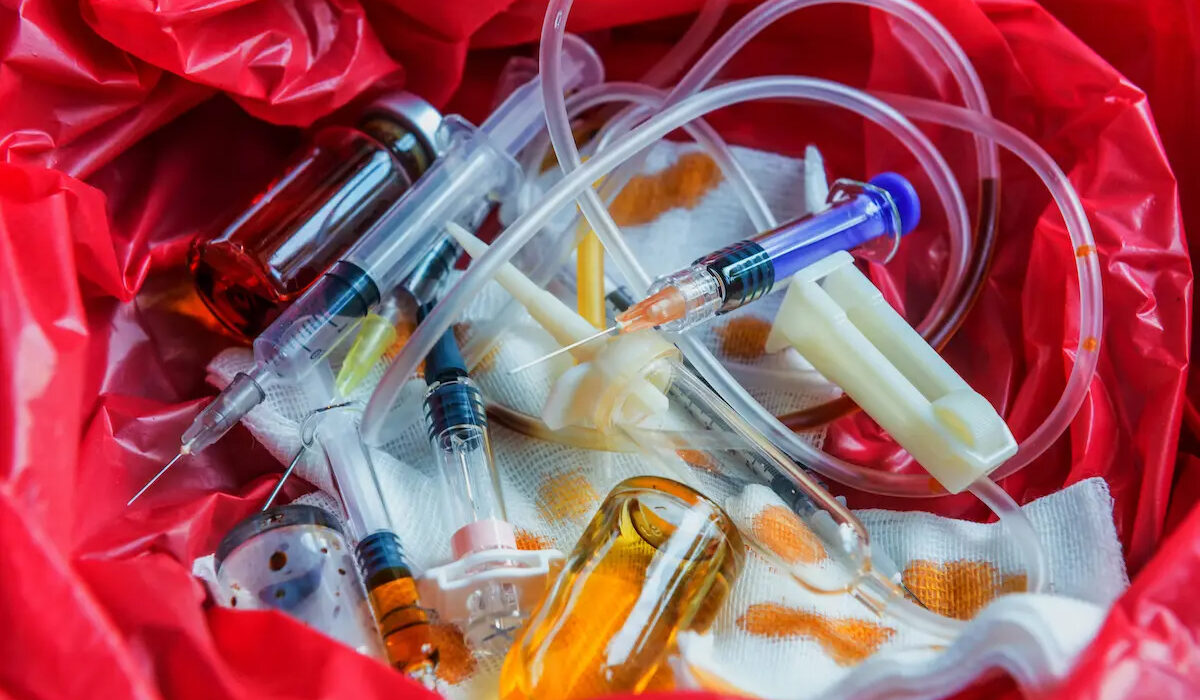
- Infectious waste: Items contaminated with blood, bodily fluids, or pathogens, such as bandages, swabs, and cultures.
- Sharps waste: Needles, scalpels, and other sharp objects that can cause injuries and infections.
- Pharmaceutical waste: Expired or unused medicines, including chemotherapy drugs.
- Chemical waste: Disinfectants, solvents, and toxic substances from labs or clinics.
- General medical waste: Non-hazardous items like packaging or gloves that are free from contaminants.
Health and Environmental Risks of Poor Disposal
Improper disposal of medical waste threatens public health and ecosystems. It can lead to:
- Spread of infectious diseases from contaminated materials.
- Injuries from needlesticks and cuts caused by improperly discarded sharps.
- Toxic contamination of soil and water affecting wildlife and humans.
- Antibiotic resistance by releasing pharmaceuticals into the environment.
Key Regulations to Know
Compliance ensures safety and legal peace of mind. Important frameworks include:
- OSHA medical waste guidelines: Protect healthcare workers from exposure to hazardous waste.
- EPA hazardous waste regulations: Govern the treatment, storage, and disposal of medical wastes posing environmental risks.
- Local biohazard disposal laws: Vary by region but typically require secure handling and documentation.
Understanding these types, risks, and rules lays the foundation for effective medical waste management. It keeps your facility safe, compliant, and environmentally responsible—a vital first step before choosing a disposal partner.
The Medical Waste Disposal Process: From Generation to Final Treatment
Medical waste disposal starts the moment waste is generated in a healthcare setting and continues until it’s safely treated and disposed of. Here’s a quick look at the typical steps involved:
- Waste Segregation: At the source, medical waste is sorted into categories like sharps, infectious waste, pharmaceutical waste, and general waste using color-coded containers (think red bags for biohazardous waste).
- Collection and Storage: Once separated, the waste is gathered and stored in secure, labelled containers to prevent contamination or injury.
- Transportation: Licensed medical waste disposal companies pick up the waste using vehicles designed to meet OSHA and EPA hazardous waste regulations.
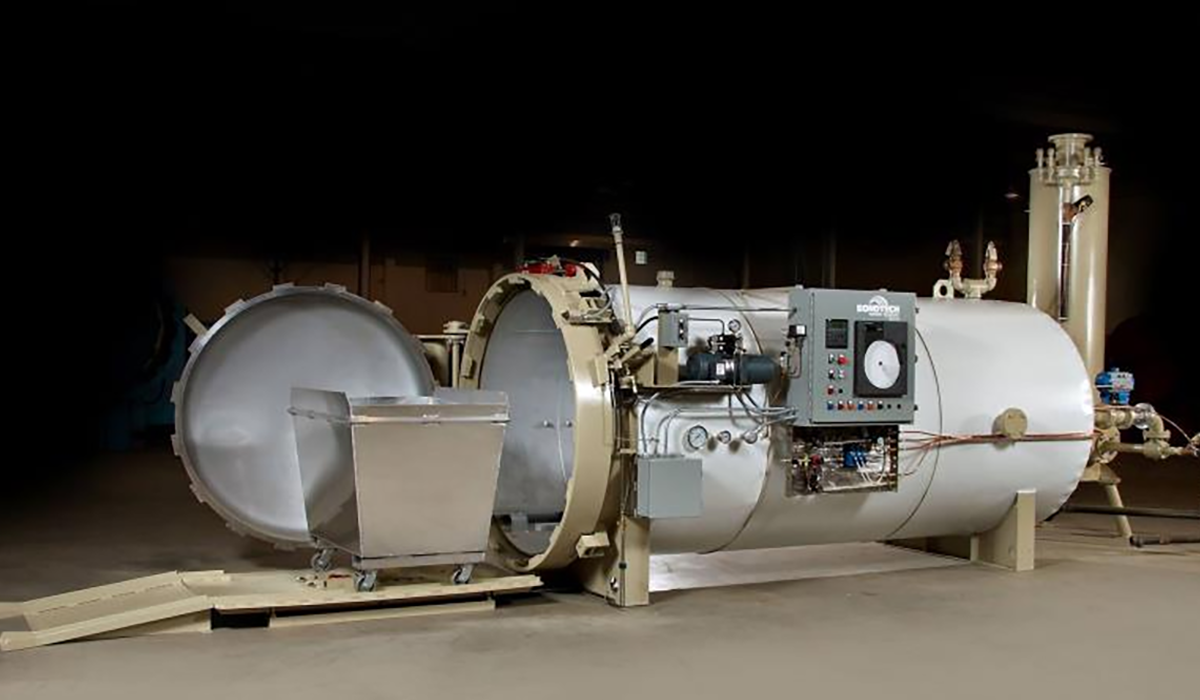
- Treatment: The waste goes through treatment methods such as autoclaving (steam sterilization), incineration, or chemical disinfection to neutralize harmful pathogens.
- Final Disposal: Treated waste is then safely disposed of, often in approved landfills, or occasionally recycled if possible.
Emerging Trends: Sustainability in Medical Waste Disposal
More companies are adopting sustainable medical disposal practices to reduce environmental impact. This includes:
- Using non-incineration treatments to cut emissions
- Investing in reusable sharps containers to reduce plastic waste
- Tracking medical waste more efficiently with digital forms and GPS monitoring
- Encouraging pharmaceutical waste take-back programs to prevent unsafe disposal
Staying ahead in biohazardous waste management means focusing not just on compliance, but also on greener practices that protect both public health and the planet.
Evaluating Medical Waste Disposal Companies: Criteria for Selection
Choosing the right medical waste disposal company is critical for safety, compliance, and budget. Here’s what to look out for:
1. Compliance and Certifications
- Ensure the company follows OSHA medical waste guidelines et EPA hazardous waste regulations.
- Look for certifications like state biohazard licenses et DOT permits.
- Proper documentation, including medical waste tracking forms, shows they handle your waste legally.
2. Service Reliability and Customization
- Check if they offer flexible pickup options—daily, weekly, or on-demand.
- Confirm they handle all waste types: sharps container disposal, pharmaceutical waste removal, red bag waste collection, and more.
- A company that tailors services to your facility’s unique needs reduces risk and hassle.
3. Cost Structure and Transparency
- Look for clear pricing models without hidden fees.
- Compare quotes but balance low cost with compliance and service quality.
- Transparent billing helps avoid surprises and budget issues.
4. Safety and Innovation Features
- The company should prioritize needlestick injury prevention and use modern containment solutions.
- Innovative treatment methods like infectious waste treatment and eco-friendly technologies are a plus.
- Safety training for staff reflects their commitment to risk reduction.
5. Sustainability and Community Impact
- Sustainable medical disposal shows responsibility beyond compliance.
- Ask if they use eco-friendly practices like waste reduction or recycling programs.
- Positive community involvement builds trust and aligns with healthcare values.
| Criteria | What to Check | Why It Matters |
|---|---|---|
| Compliance & Certifications | OSHA, EPA, state licenses, tracking forms | Legal, safe, and proper disposal |
| Service & Customization | Flexible pickups, all waste types handled | Convenience and risk reduction |
| Cost & Transparency | Clear pricing, no hidden fees | Budget-friendly, no surprises |
| Safety & Innovation | Needlestick prevention, modern treatment tech | Protects staff + environment |
| Sustainability & Impact | Eco-friendly practices, community involvement | Long-term responsibility |
Focus on these areas to ensure your medical waste disposal company not only meets regulations but also supports your facility’s safety and sustainability goals.
Spotlight on Biosafepro: Your Trusted Partner for Comprehensive Medical Waste Solutions
Who We Are
At Biosafepro, we specialize in reliable medical waste disposal services designed to meet your specific needs. With years of experience, we understand the local and global challenges of biohazardous waste management and are committed to safe, compliant, and eco-friendly solutions.
Core Services Tailored to Your Needs
We offer a full range of regulated medical waste services, including sharps container disposal, pharmaceutical waste removal, chemotherapy waste handling, and infectious waste treatment. Our flexible pickups and customized plans ensure you only pay for what you need, making compliance with OSHA medical waste guidelines and EPA hazardous waste regulations hassle-free.
Proven Results
Our clients trust us because we deliver consistent, on-time service with clear medical waste tracking forms and transparent pricing. We focus on safety and sustainability, helping reduce environmental impact through innovative treatment methods and red bag waste collection programs.
Getting Started
Starting with Biosafepro is simple. Reach out today for a consultation, and we’ll assess your facility’s needs, recommend the best biohazard disposal solutions, and set up a compliant, cost-effective medical sharps pickup schedule. Let us handle your medical waste so you can focus on what matters most—patient care.
Top Medical Waste Disposal Companies: A Comparative Overview
When choosing a medical waste disposal company, it helps to know the key players—both national leaders and trusted regional options. Here’s a quick look to guide you:
| Entreprise | Coverage | Services Offered | Compliance Certifications | Sustainability Focus | Pricing Transparency |
|---|---|---|---|---|---|
| Stericycle | National & Global | Regulated medical waste, sharps pickup, pharma waste removal | OSHA, EPA, DOT certified | Advanced recycling programs | Clear pricing packages |
| MedPro Disposal | Nationwide | Infectious waste treatment, chemotherapy waste handling, sharps disposal | Healthcare waste compliance experts | Green disposal initiatives | Competitive rates |
| BioSafePro | Regional & Global | Custom medical waste solutions, red bag waste collection, sharps container disposal | Fully compliant with international standards. | Sustainable medical disposal | Transparent quotes |
| Daniels Santé | National | Sharps containment, pharmaceutical waste, medical sharps pickup | OSHA & EPA certified | Strong sustainability commitment | Flexible pricing |
| Local Biohazard Services | Regional | Medical waste tracking forms, regulated medical waste services | Meets all local & federal standards | Focus on community impact | Affordable options |
National Leaders
- Stericycle et MedPro Disposal are top picks nationwide with broad service coverage and strong compliance histories. They’re go-to for large healthcare facilities needing reliable waste management partners.
Regional Players Worth Considering
- BioSafePro, with its strong local presence, shines in providing tailored, sustainable medical waste disposal services.
- Smaller companies like Local Biohazard Services offer flexible, affordable plans that cater well to local clinics and smaller practices.
Having this quick comparison can help you pick a medical waste disposal company that fits your needs on service, safety, and budget.
FAQs: Answering Your Top Questions on Medical Waste Disposal
1. What is medical waste, and why does it need special disposal?
Medical waste includes items like used sharps, contaminated materials, pharmaceuticals, and biohazardous substances. It requires proper disposal to prevent infections, environmental damage, and legal penalties.
2. How do medical waste disposal companies handle sharps container disposal?
They collect sharps in approved containers, then safely transport and treat them through methods like incineration or autoclaving, ensuring needlestick injury prevention and compliance with OSHA guidelines.
3. Are there strict regulations for medical waste disposal?
Yes. Healthcare waste compliance is governed by EPA hazardous waste regulations and local rules that dictate how to store, transport, and dispose of infectious and hazardous waste.
4. What services do regulated medical waste companies typically offer?
Services include biohazardous waste management, pharmaceutical waste removal, medical sharps pickup, chemotherapy waste handling, red bag waste collection, and medical waste tracking forms for compliance.
5. How do I know if a medical waste disposal company is reliable?
Look for certifications, transparent pricing, safety standards, environmentally friendly disposal methods, and positive community impact.
6. Can medical waste disposal be sustainable?
Yes. Many companies now use sustainable medical disposal options that reduce environmental harm while still meeting legal requirements.
7. Where can I find local biohazard disposal near me?
Use online directories or consult local healthcare providers. Reputable medical waste disposal companies often serve local areas with quick, compliant pickups.
8. How can we prevent needlestick injuries during disposal?
Proper use of sharps containers, employee training, and partnering with companies that focus on safety and innovation are key steps.
By understanding these basics, you can choose the right medical waste disposal company and keep your facility safe and compliant.