

By BiosafePro Technical Editorial Team | Biomedical Waste Management Specialists
BiosafePro is a specialized medical waste equipment manufacturer dedicated to environmental decontamination technology, high-temperature steam sterilization, microwave disinfection, and chemical treatment systems for healthcare facilities, laboratories, and regional waste management operators worldwide.
Medical Waste Treatment: Why Technology Selection Matters
Selecting a medical waste treatment system is an operational, regulatory, and capital decision that directly impacts facility compliance, operating expenditure, and long-term risk management. Hospital procurement teams and healthcare distributors often face complex specification mandates where selecting the wrong medical waste treatment technology results in operational bottlenecks, non-compliance penalties, or rapid equipment degradation.
Global healthcare activities generate substantial volumes of regulated waste. According to estimates by the World Health Organization, approximately 15% of healthcare waste is considered hazardous material that may be infectious, toxic, or radioactive (Source: WHO Healthcare Waste Fact Sheet, 2024). Furthermore, the global medical waste treatment market size was valued at USD $9.8 billion in 2023 and is projected to reach USD $14.2 billion by 2030, growing at a CAGR of 5.4% (Source: Grand View Research Market Report, 2024).
Rather than evaluating equipment solely on upfront capital expenditure, procurement officers must align the selected technology with specific stream compositions, throughput requirements, utility access, and local discharge standards.
| Buyer Question | Why It Matters |
| What waste will be treated? | Determines technology compatibility across infectious, pathological, or pharmaceutical streams. |
| How much waste is generated per day? | Determines required equipment capacity, loading mechanism, and batch versus continuous operation. |
| Is water/steam available? | Important for steam-based systems requiring boiler integration and soft water feed lines. |
| Is stable electricity available? | Important for microwave generator arrays and electric shredding components requiring steady voltage. |
| Are emissions tightly regulated? | Critical for incinerator selection due to stringent flue-gas scrubbing and stack monitoring rules. |
| Will treatment be on-site or centralized? | Influences required nominal capacity, operational footprint, and material loading configurations. |
| What happens after treatment? | May require mandatory internal shredding, compaction, or specific municipal landfill protocols. |
Microwave vs. Autoclave vs. Incineration: At a Glance
The three primary commercial medical waste treatment methods—microwave disinfection, autoclaving, and high-temperature incineration—operate under fundamentally different thermodynamic and biochemical destruction principles. Evaluating a medical waste treatment facility requires comparing these technologies across key engineering and operational metrics without assuming a single universally superior method.
| Factor | Microwave Treatment | Autoclave Treatment | Incinération |
| Main treatment principle | Microwave-based volumetric heating & moist heat disinfection | Thermal inactivation via saturated steam under pressure | High-temperature oxidation and thermal destruction |
| Main focus | Decontamination of suitable biohazardous/infectious waste | Steam sterilization/decontamination of biohazardous materials | Total thermal destruction and maximum volume reduction |
| Combustion | No | No | Yes |
| Steam/water requirement | Low to moderate (depends on system design/moisture injection) | High (requires direct steam supply or dedicated boiler) | Minimal (primarily used in flue-gas wet scrubbing systems) |
| Emission control | HEPA-filtered exhaust; no combustion flue gas | HEPA/vent filtration; no combustion flue gas | Critical multi-stage flue-gas cleaning systems required |
| Post-treatment | Typically integrated with heavy-duty shredder/mixer | Frequently followed by separate or integrated shredding | Generates inert bottom ash and fly ash residue |
| Typical project consideration | Non-incineration treatment prioritizing energy efficiency | Standard steam-based decontamination for clinical facilities | High-temperature destruction for complex mixed waste streams |
| Key procurement issue | Magnetron life, power stability, treatment uniformity | Vessel pressure certification, steam availability, air removal efficiency | Primary/secondary chamber temp, residence time, emission monitoring |
For a comprehensive technical background on decontamination standards, refer to our complete guide on medical waste sterilization methods.
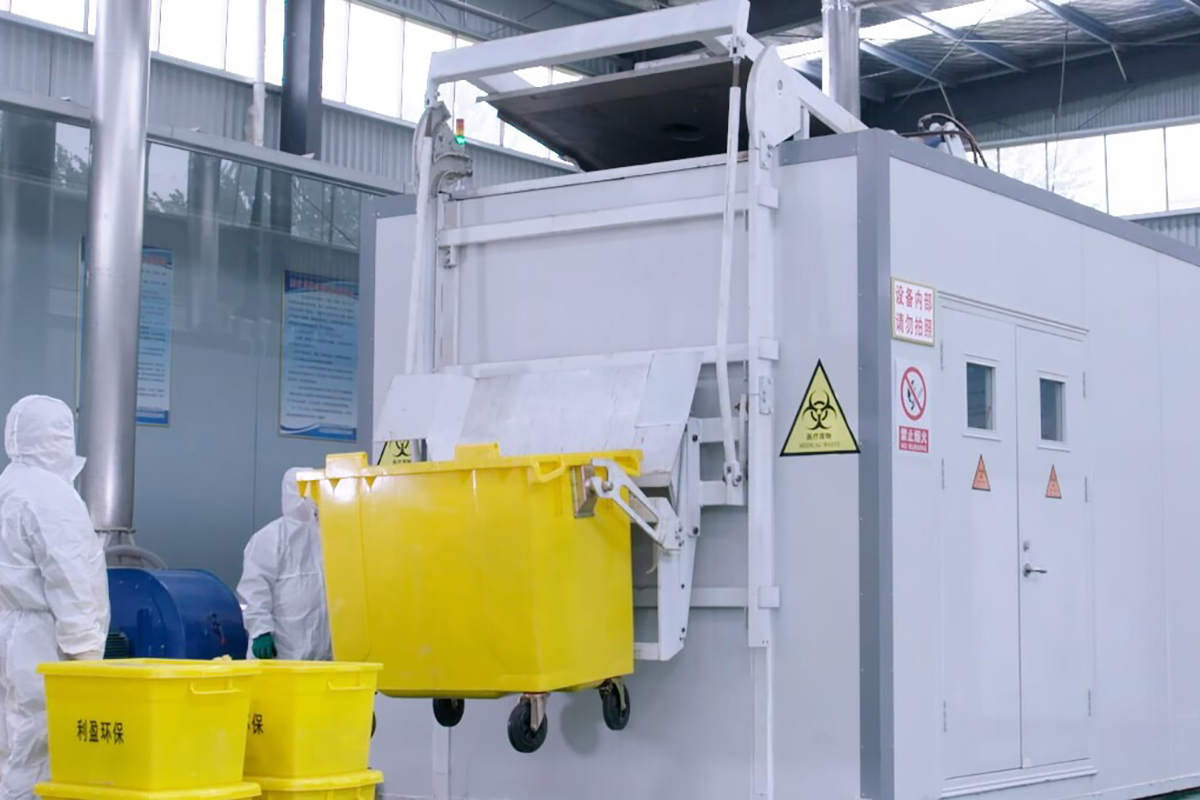
Medical Waste Microwave Treatment: When Does It Make Sense?
How Microwave Treatment Works
Microwave medical waste treatment uses electromagnetic radiation (typically at 2,450 MHz) to excite water molecules within moist waste or injected steam, generating rapid internal friction heating throughout the material matrix. This process achieves thermal decontamination at temperatures typically ranging between 95℃ and 100℃ for a defined hold time, destroying bacteria, viruses, and vegetative pathogens (Source: UNEP Compendium of Waste Treatment Technologies, 2020).
What Buyers Should Check
1. Treatment Capacity
Procurement specifications must distinguish between nominal capacity (theoretical mechanical limits) and actual throughput (real-world processing volume per hour accounting for waste bulk density). Waste density varies significantly from lightweight plastic tubing (0.08 kg/L) to dense fluid containers (0.4 kg/L). Buyers must specify whether the project demands a continuous feed system or a batch unit, alongside defining total daily operating hours (e.g., 8-hour shift vs. 24-hour continuous processing).
2. Waste Compatibility
A microwave medical waste treatment system is highly effective for soft biohazardous waste, diagnostic lab plastics, personal protective equipment (PPE), and textiles. However, it is not designed to treat anatomical pathological waste, high-mass metallic surgical implants, radiopharmaceuticals, or volatile organic solvents. Attempting to process incompatible chemical waste can generate hazardous fumes or damage internal magnetron components.
Detailed operational layouts can be examined in our guide on inside a medical waste microwave sterilizer main parts explained.
3. Mixing / Shredding Configuration
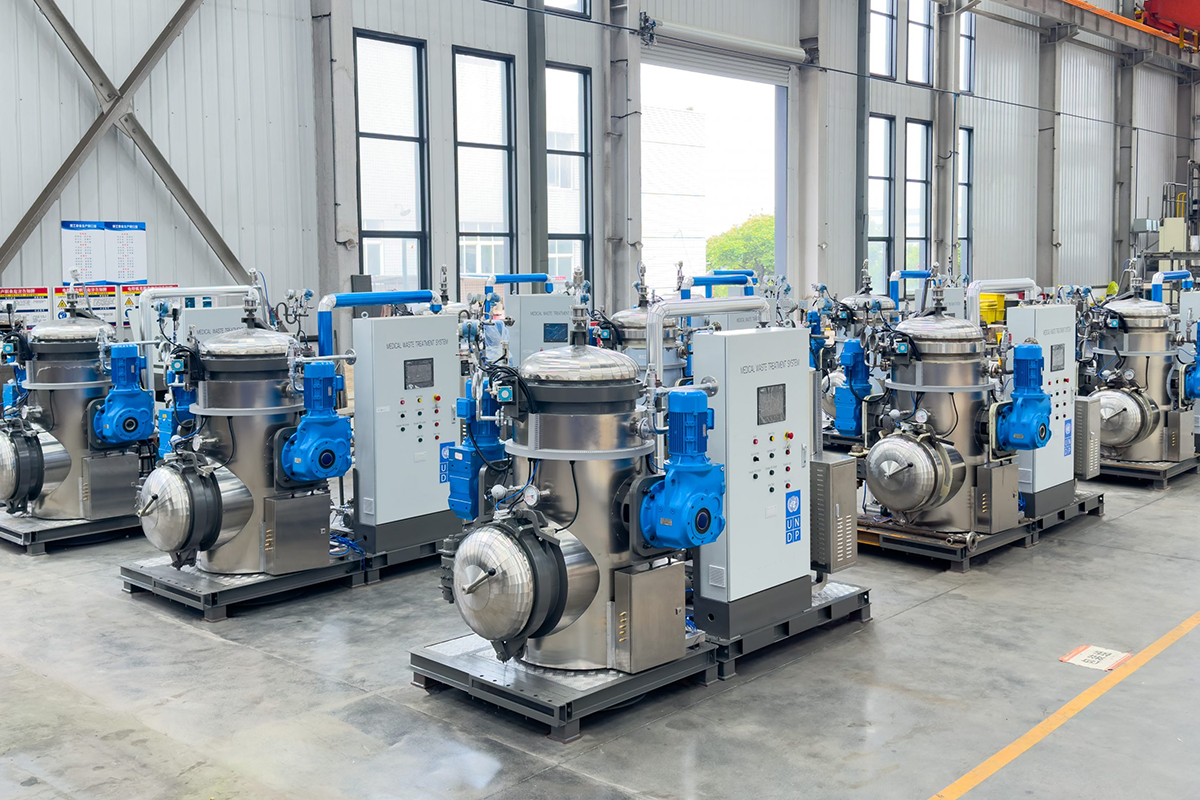
Microwave radiation requires uniform moisture and particle size to prevent cold spots where thermal energy fails to achieve microbial inactivation. Consequently, an industrial medical waste microwave treatment system incorporates heavy-duty internal shredders, conveyor screws, and automated feeding hoppers. Buyers should inspect the cutter blade steel grade (e.g., HARDOX 500 or equivalent high-chromate alloy) to ensure durability when handling unexpected hard materials.
4. Electricity and Installation Requirements
Microwave units operate on significant electrical power to drive magnetron arrays and heavy shredder motors. Procurement teams must verify:
- Installed Power: Typical installations require 30 kW to 120+ kW three-phase power depending on throughput.
- Floor Space & Clearances: Dedicated footings to accommodate loading arms, shredder maintenance clearances, and access panels.
- Ventilation & Environmental Controls: HEPA-filtered negative-pressure ventilation to handle moisture exhaust and odor containment.
- Utilities: Auxiliary water supply for steam injection/misting and appropriate drainage for washdown operations.
Engineering specifications regarding magnetron configurations and continuous processing mechanics are detailed under our dedicated technologie de traitement par micro-ondes section.
Medical Waste Autoclave: A Steam-Based Treatment Option
What Makes a Medical Waste Autoclave Different?
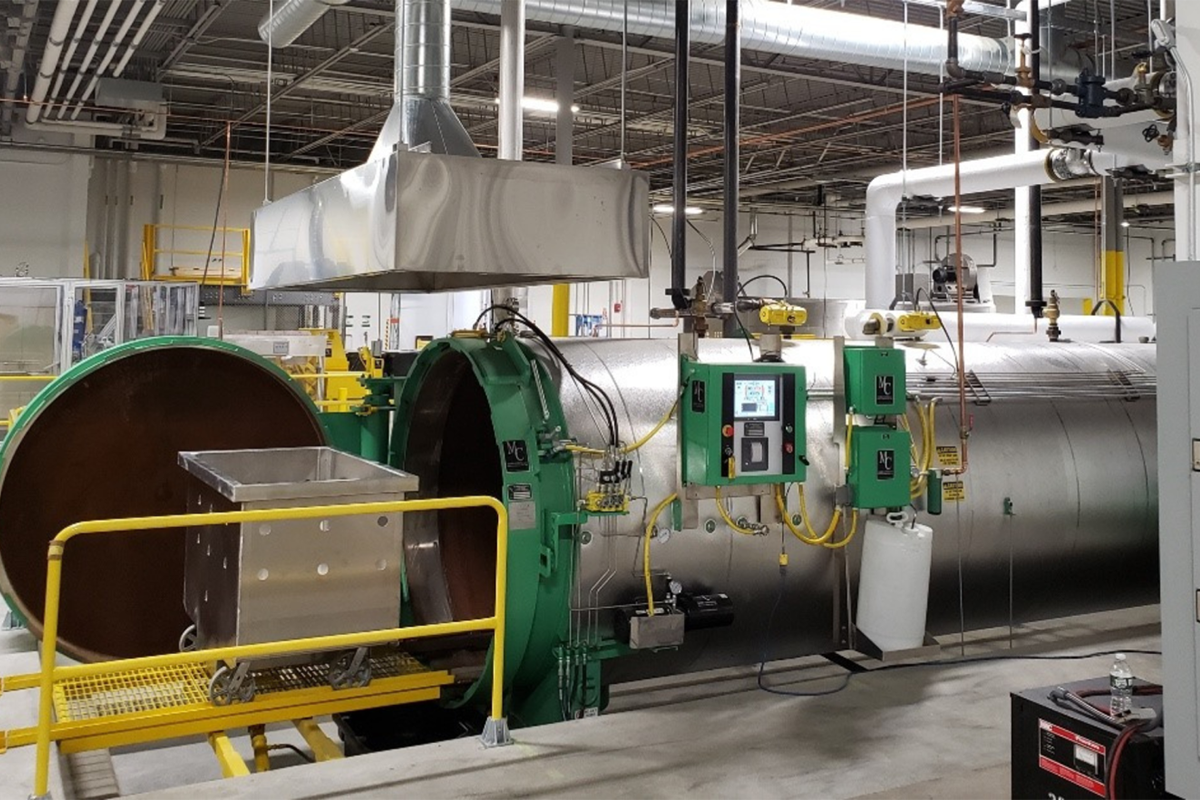
A specialized medical waste autoclave differs structurally from standard laboratory sterilizers. Standard laboratory units process clean, pre-sorted glassware or instruments in controlled trays. A dedicated medical waste sterilizer processes heterogeneous, highly contaminated biohazardous waste packaged in biohazard bags, requiring robust air-evacuation systems, heavy-duty pressure vessels, and specialized condensate treatment lines.
Chamber Capacity
Choosing the right autoclave for biomedical waste depends on the installation scale:
- Small Healthcare Facilities (100–300 beds): Require compact medical waste autoclave systems with chamber volumes ranging between 100 L and 500 L per batch.
- Medium Hospitals (300–800 beds): Typically utilize horizontal chamber units with capacities ranging from 500 L to 2,000 L.
- Centralized Treatment Facilities: Utilize massive industrial autoclaves exceeding 3,000 L to 10,000 L per cycle, often equipped with automated bin loaders and shuttle cars.
Operating Parameters
Proper decontamination requires precise control over pressure, temperature, time, and steam penetration:
- Temperature & Pressure: Standard decontamination cycles operate at 121℃(250°F) at 103 kPa (15 psi) for a minimum of 30–60 minutes, or 134℃ (273°F) at 206 kPa (30 psi) for 10–20 minutes (Source: US CDC Guideline for Disinfection and Sterilization in Healthcare Facilities, 2008).
- Air Removal Method: Air is an insulator that prevents steam contact with waste. Advanced autoclave treatment of medical waste relies on pre-vacuum air removal (fractionated vacuum pulses) to evacuate trapped air pockets from bags before steam injection.
- Monitoring & Control: Systems must feature microprocessors logging temperature at multiple vessel locations, pressure transducers, biological indicators (Geobacillus stearothermophilus testing access), and printed cycle reports.
- Integrated Shredding: Hybrid systems combine internal shredding with steam pressurization (shredder-autoclaves) to eliminate post-treatment handling step requirements.
Post-Treatment Handling
Autoclave decontamination inactivates biological pathogens, rendering the material non-infectious; however, it does not alter the physical appearance of the waste. In most jurisdictions, decontaminated waste must be shredded to render it unrecognizable before landfill disposal to comply with municipal refuse regulations.
Medical Waste Incineration: When Is It the Right Technology?
High-Temperature Thermal Treatment
Medical waste incineration involves controlled high-temperature combustion that chemically converts organic matter into carbon dioxide, water vapor, and inorganic ash. A compliant medical waste incinerator is designed for waste streams requiring complete destruction, such as anatomical tissue, organ fraction, cytotoxic pharmaceutical residues, and toxic chemical stocks that non-burn technologies cannot neutralize.
Core Procurement Parameters
When specifying a hospital waste incinerator, buyers must refrain from evaluating machines based strictly on chamber volume. True system capability depends on combustion dynamics, residence time, and gas scrubbers:
- Primary Chamber: Operates under pyrolytic (starved-air) or combustion conditions at temperatures between 800℃and 850℃ to gasify organic solids.
- Secondary Chamber: Operates under excess air conditions at temperatures between 1,100℃and 1,200℃ with a minimum gas residence time of 2.0 seconds to ensure complete thermal oxidation of volatile hydrocarbons and dioxin precursors (Source: EU Directive 2010/75/EU on Industrial Emissions).
- Feeding System: Automated ram feeders or double-door airlock mechanisms to prevent flame rollback and protect operators from thermal injury.
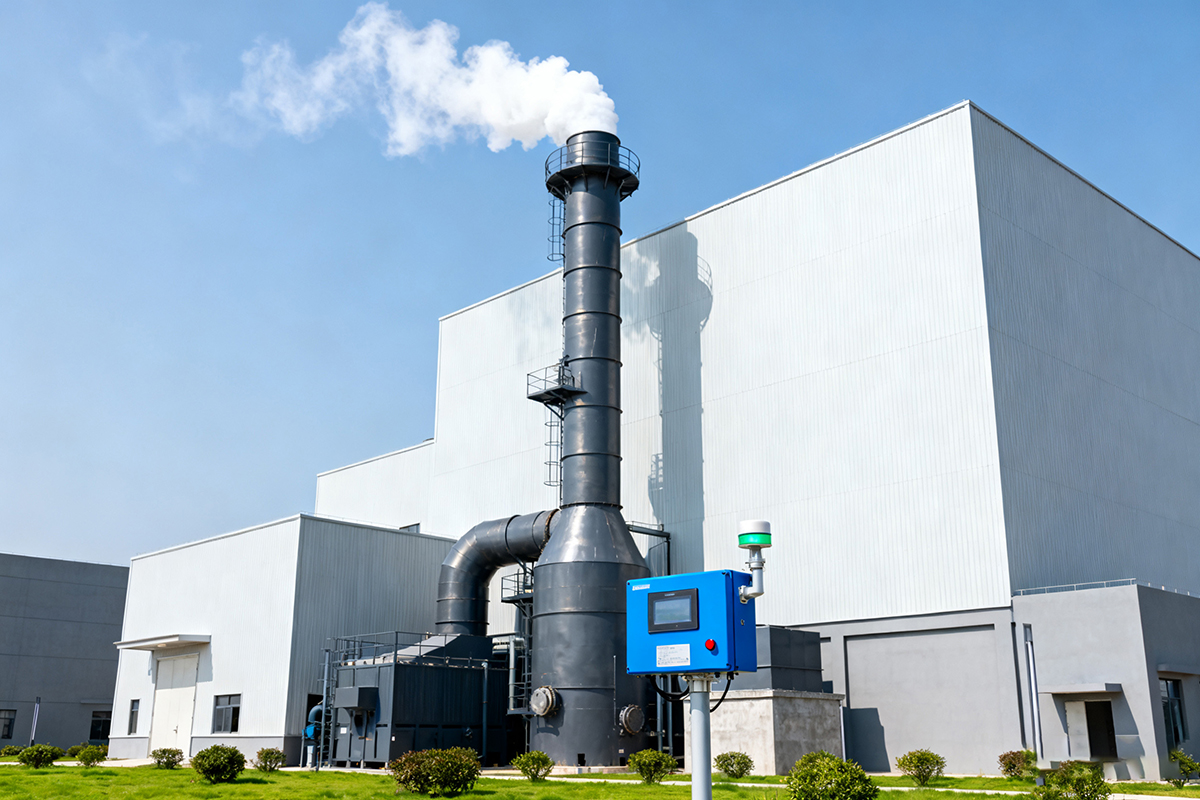
- Flue Gas Treatment: Modern medical waste incineration equipment requires secondary treatment, including lime injection, active carbon reactors, and baghouse filters to neutralize acid gases (HCl, SOx), heavy metals, and dioxins/furans.
- Ash Handling & Emission Monitoring: Automatic ash discharge mechanisms and Continuous Emission Monitoring Systems (CEMS) to track parameters like CO, NOx, opacity, and HCl stack output.
“Non-burn technologies like autoclaving and microwaving are preferred for standard biohazardous plastics due to lower environmental emissions. However, high-temperature incineration remains an essential treatment method for pathological, cytotoxic, and pharmaceutical waste streams that cannot be safely processed via low-temperature thermal methods.”
— World Health Organization (WHO), Safe Management of Wastes from Health-Care Activities Handbook
Microwave vs. Autoclave vs. Incineration: Which One Fits Your Project?
Choose Microwave Treatment When:
- The project requires a strictly non-combustion non-burn medical waste disposal method.
- Suitable infectious waste, sharps, laboratory plastics, and soft clinical materials make up the vast majority of the volume.
- Stable electrical power and standard commercial utilities are available on site.
- The facility requires a fully integrated, low-odor, automated continuous processing line.
- Shredding and volumetric reduction (80%+ space reduction) need to occur concurrently within a single closed mechanism.
Consider a Medical Waste Autoclave When:
- Steam-based treatment fits the existing hospital utility infrastructure (e.g., centralized plant steam boilers).
- The primary waste stream consists of standard infectious items, surgical drapes, tubing, and laboratory culture media.
- Reliable raw water, soft water treatment, and high-amp electrical connections are readily available.
- Batch processing schedules align with facility collection protocols.
- Post-treatment shredding can be integrated either within the vessel or via secondary inline shredders.
Consider Incineration When:
- The project requires total thermal destruction of complex waste streams, including pathological, organ, chemical, or cytotoxic residues.
- Local environmental regulations permit high-temperature combustion installations with designated stack heights.
- Capital budget accounts for multi-stage gas scrubbing, lime/carbon reagents, and stack emissions monitoring systems.
- Facility footprint supports fuel storage (diesel/natural gas), ash containment, and secondary pollution abatement units.
- Final disposal strategy accommodates regulated hazardous bottom and fly ash landfill deposition.
What to Check Before Buying Medical Waste Treatment Equipment
Procuring a medical waste treatment facility requires evaluating five technical checkpoints to ensure long-term operational success:
1. Waste Type Breakdown
Categorize the precise percentage of waste generated across facility operations:
- Infectious Waste & Sharps (~80-85%): Compatible with Microwave / Autoclave / Incineration
- Pathological Waste (~10-15%): Requires Incineration (or alkaline hydrolysis)
- Chemical/Cytotoxic (~1-5%): Requires High-Temp Incineration
- Never assume one single equipment piece handles every waste stream unless configured with specific multi-system routing.
2. Required Treatment Capacity Metrics
Provide vendors with comprehensive volumetric matrices rather than simple daily averages:
- Nominal vs. actual hourly throughput (kg/hour).
- Batch cycle times including heating, residence, and cooling phases.
- Total daily generation (kg/day) and operational shift availability (8 hr/day vs. 16 hr/day).
- Anticipated 5-year healthcare expansion factor (e.g., targeting a 25% surge in bed capacity).
3. Site Utility & Infrastructure Conditions
Evaluate physical site constraints prior to placing equipment orders:
- Power Requirements: Confirm voltage stability, frequency (50 Hz or 60 Hz), total available amperage, and emergency generator backup capacity.
- Water & Drainage: Assess feed water hardness (ideally < 0.2 mmol/L to prevent boiler/generator scaling) and thermal discharge effluent temperature limits.
- Layout Routes: Verify doorway widths, floor load capacities (heavy autoclaves can exceed 5,000 kg footprint weight), overhead crane clearances, and waste loading routes.
4. Local Regulatory Compliance
Avoid purchasing hardware without preliminary regional regulatory clearances. Verify:
- Required microbial inactivation levels (e.g., 6-log10 reduction of Bacillus atrophaeus or Geobacillus stearothermophilus spores under US EPA criteria).
- Stack emission thresholds for particulates (< 20 mg/m³), dioxins (< 0.1 ng TEQ/m³), and acid gases (Source: US EPA Clean Air Act Regulations for Hospital/Medical/Infectious Waste Incinerators).
- Required environmental impact assessments (EIA) and municipal installation permits.
5. Complete Treatment Line System Integration
A complete medical waste treatment system encompasses the entire material path rather than isolated equipment components:
Collection ➔ Automated Loading/Feeding ➔ Primary Treatment ➔ Shredding/Compaction ➔ Storage/Landfill
For incineration pathways, system integration follows a strict chemical process train:
Auto-Feed ➔ Primary Chamber (850℃) ➔ Secondary Chamber (1100℃) ➔ Flue-Gas Scrubber ➔ CEMS ➔ Ash Handling
Calculating total lifecycle expenses—including utility consumption, blade replacements, filter media, and preventive maintenance—yields an accurate medical waste incineration cost or non-burn operating cost profile.
FAQ
Q: What is the difference between a medical waste autoclave and a regular autoclave?
A medical waste autoclave is built with heavy-duty corrosion-resistant materials, specialized pre-vacuum air evacuation pumps to handle dense biohazard waste bags, HEPA-filtered vent lines to trap airborne pathogens during air removal, and automated data-logging systems designed to meet stringent environmental regulatory compliance. Standard laboratory autoclaves are designed for clean items and lack biohazard emission filtration.
Q: Is microwave treatment better than incineration?
Neither technology is universally better; they address different waste streams. Microwave treatment operates as an energy-efficient non-combustion method ideal for infectious waste and sharps without generating flue gas emissions. Incineration is required when destroying pathological tissue, anatomical remains, and cytotoxic pharmaceuticals that require complete high-temperature oxidation.
Q: Is autoclaving a substitute for medical waste incineration?
Autoclaving substitutes for incineration only when treating infectious waste, lab cultures, and sharps. It cannot substitute for incineration when processing pathological waste, trace chemotherapy agents, or toxic chemical residues, as steam decontamination does not decompose organic chemical compounds or destroy anatomical tissue structures completely.
Q: Does medical waste treatment require shredding?
In many jurisdictions, post-treatment or integrated shredding is required by law to render decontaminated medical waste unrecognizable, preventing scavenged reuse of syringes and tubes while reducing waste volume by up to 80% before municipal landfill tipping.
Q: Should I buy a microwave system, autoclave, or incinerator?
Selection depends on your facility’s waste profile. Choose a microwave system for a low-emission, energy-efficient non-combustion solution with integrated shredding; choose an autoclave if you have abundant steam utilities and standard infectious waste streams; select an incinerator if your hospital must process pathological, organic, and cytotoxic materials requiring complete thermal destruction.
About BiosafePro
Established in 2012, BiosafePro is a specialized manufacturer of medical waste treatment equipment, including microwave treatment systems, medical autoclaves, and incineration plants. ISO 13485 and CE certified, BiosafePro delivers compliant waste management solutions to hospitals and centralized processing facilities across 45 countries worldwide.
Consult with our technical engineering team today to review your waste stream specifications and obtain a complete custom treatment line proposal for your project. Visit oue website or submit your project inquiry directly to [email protected].
References
- World Health Organization (WHO). (2024). Health-care waste fact sheet. WHO Guidelines Approved by the Guidelines Review Committee.
- Grand View Research. (2024). Medical Waste Management Market Size, Share & Trends Analysis Report By Treatment Site (Onsite, Offsite), By Treatment (Incineration, Autoclaving, Chemical Treatment), By Region, And Segment Forecasts 2024 – 2030.
- International Organization for Standardization. (2016). ISO 13485:2016 Medical devices — Quality management systems — Requirements for regulatory purposes.
- United Nations Environment Programme (UNEP). (2020). Compendium of Technologies for Treatment/Destruction of Healthcare Waste.
- Centers for Disease Control and Prevention (CDC). (2024). Guideline for Disinfection and Sterilization in Healthcare Facilities. U.S. Department of Health and Human Services.
- European Union. (2010). Directive 2010/75/EU of the European Parliament and of the Council on industrial emissions (integrated pollution prevention and control). Official Journal of the European Union.
- United States Environmental Protection Agency (US EPA). (2021). Standards of Performance for New Stationary Sources and Emission Guidelines for Existing Sources: Hospital/Medical/Infectious Waste Incinerators. 40 CFR Part 60.