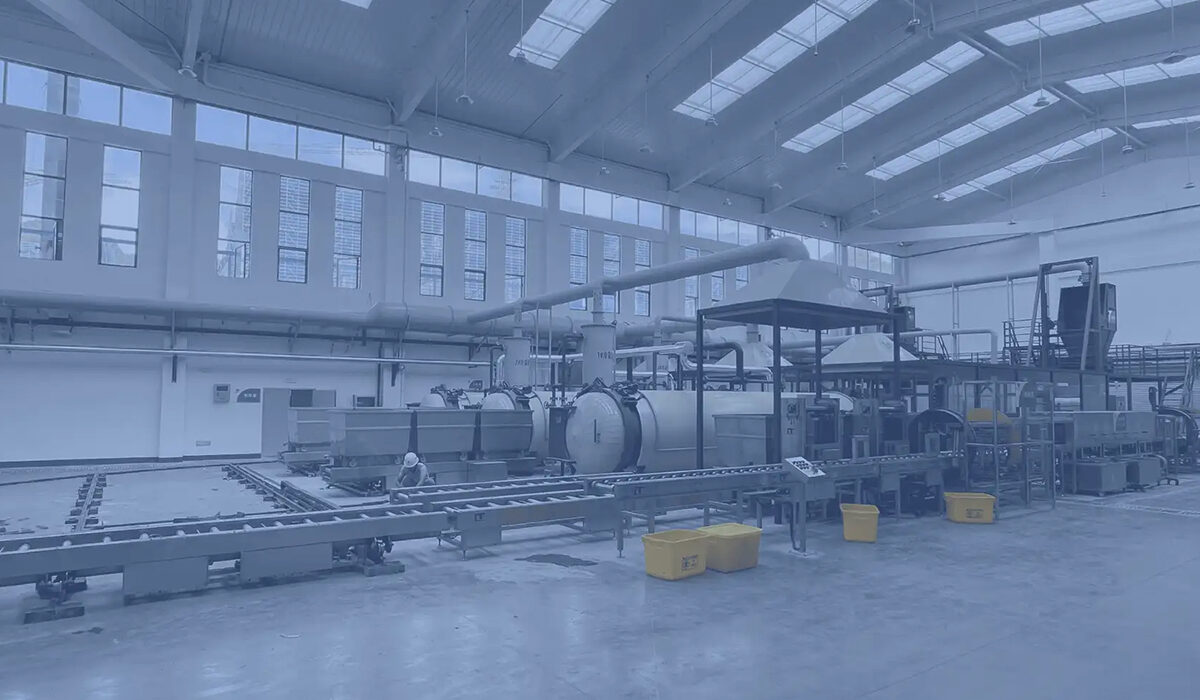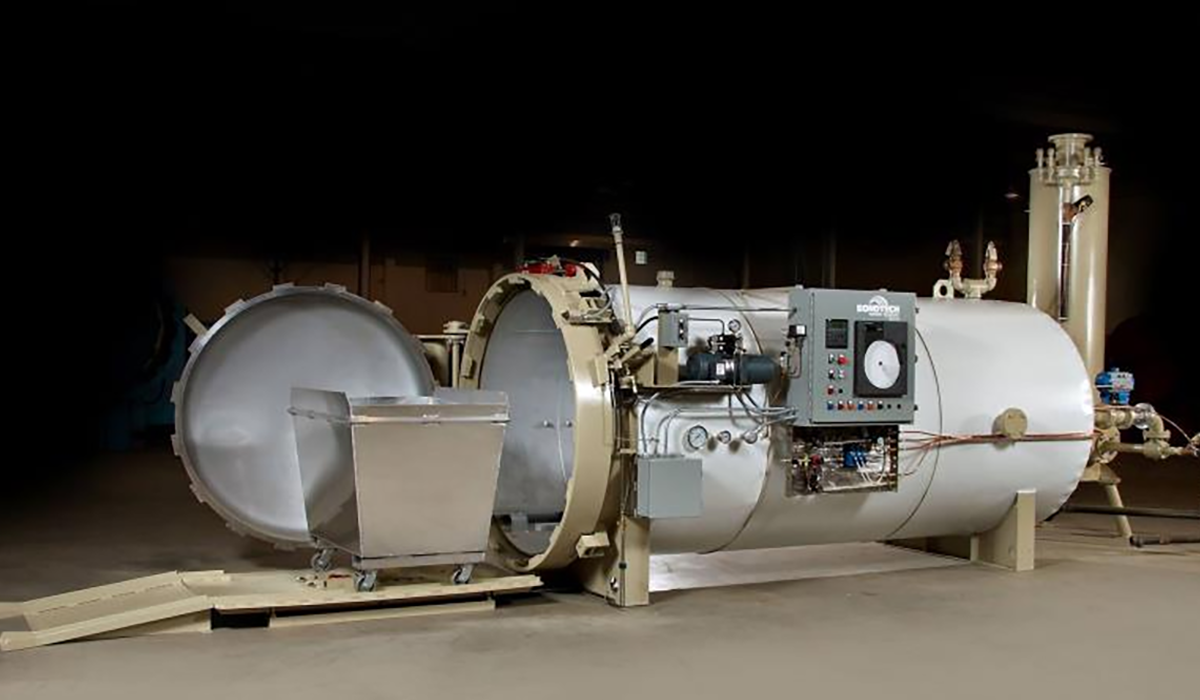



Your incinérateur de déchets médicaux is the critical last line of defense in infection control and environmental stewardship. When faced with waste disposal problems like these, understanding the intricacies of medical waste incineration becomes critical. When it’s not burning properly—evidenced by incomplete combustion, excessive smoke, unburnt residue, or persistent odors—it’s not just an equipment issue. It’s a significant operational, regulatory, and clinical risk. Inefficient burning can lead to emissions violations, increased disposal costs for ash requiring re-processing, and the potential survival of pathogenic organisms. This article moves beyond basic incinerator troubleshooting to provide a systematic, expert-level analysis of why incinerator efficiency fails and how to engineer reliable, high-temperature incineration.
Why Efficient Medical Waste Incineration is Critical Today
Modern healthcare generates complex waste streams, from chemotherapy residues and sharps to single-use plastics and pathological waste. High-temperature incineration remains the only viable, terminal disposal method for many of these categories, ensuring complete pathogen destruction and mass/volume reduction. However, stringent global emissions standards (like those from the EPA and EU) have transformed incineration from a simple “burn and forget” operation into a precisely controlled thermal oxidation process. An underperforming unit today doesn’t just create ash; it risks generating dioxins, furans, and particulate matter, turning a waste solution into a public health concern. Ensuring your system operates at peak efficiency is non-negotiable for compliance, cost control, and community safety.
What is Optimal Medical Waste Incinerator Efficiency?
Before diagnosing problems, we must define the target. Optimal performance isn’t merely about flames in a chamber. It’s about achieving and maintaining Destruction and Removal Efficiency (DRE) exceeding 99.99% for key components, coupled with minimal regulated emissions. The cornerstone of this is stable, uniform high temperature in the primary and secondary chambers. For most infectious waste, achieving reliable medical waste incineration requires a secondary chamber temperature sustained above 1100°C (2012°F) with a guaranteed residence time of over 2 seconds. This high-temperature incineration is the thermal “sweet spot” where complex hydrocarbons are thoroughly broken down. Deviations from these core parameters are the root of most performance issues. For a deeper dive into operational standards, consider our resource on what you need to know about medical waste incineration.
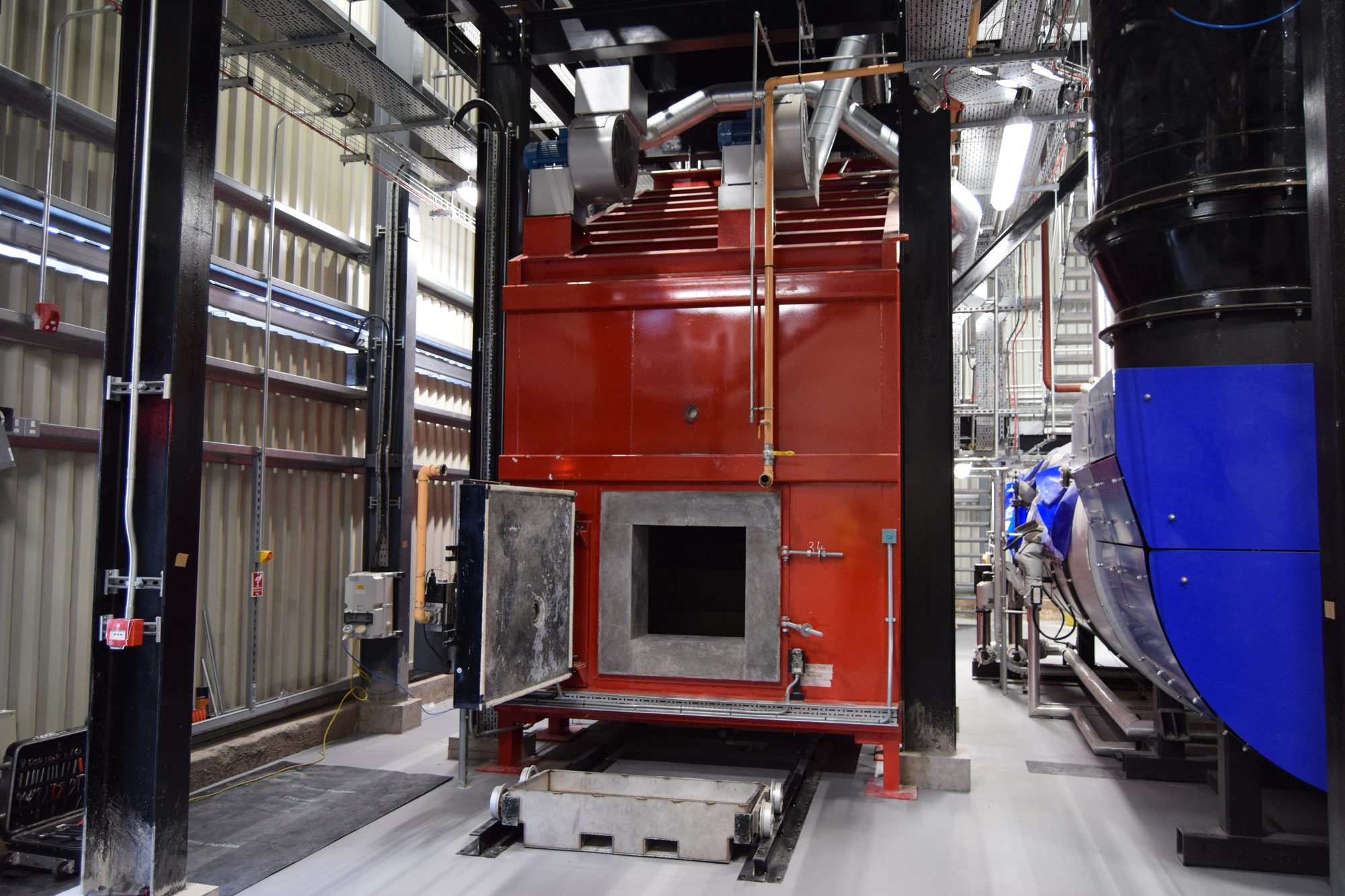
7 Root Causes of Poor Incinerator Efficiency and Burning Problems
A slow-burning or inefficient incinerator is typically symptomatic of one or more fundamental flaws in the waste feed, combustion dynamics, or system design.
1. Low Combustion Temperature
Low combustion temperature is the most direct symptom of an incinerator not burning properly. Temperature is the primary driver of the combustion reaction kinetics.
Low Primary Chamber Temperature:
Often caused by incorrect burner calibration, heat loss from worn refractories, or feeding excessively wet or high-moisture waste. Waste acts as a heat sink, cooling the chamber and preventing the volatile gases from fully releasing.
Insufficient Secondary Chamber Temperature:
This is where the combustion gases are finally destroyed. Inadequate auxiliary burner fuel supply, faulty temperature sensors, or poor insulation can prevent the chamber from reaching the >1100°C threshold. The consequence? Incomplete oxidation of gases, leading to visible smoke, odor, and the formation of toxic intermediates like carbon monoxide and dioxins.
2. Poor Airflow and Oxygen Supply Issues
Poor airflow and incorrect oxygen supply are fundamental incinerator problems that strangle the combustion process. Combustion is a chemical reaction between fuel and oxygen. Stoichiometry—the precise balance of air to fuel—is key.
Primary Air (Underfire Air):
Insufficient underfire air prevents the solid waste on the hearth from gasifying properly. Too much primary air, however, can cool the charge and carry unburned particulates (“fly ash”) into the secondary chamber prematurely.
Secondary Air (Overfire Air):
This turbulent air, injected at high velocity into the secondary chamber, is meant to mix the gases with oxygen for final oxidation. Poor nozzle design, incorrect placement, or blocked ducts lead to stratification and “short-circuiting,” where pockets of gas escape without reacting. The clinical consequence is direct: unmetabolized chemical waste or surviving thermally-resistant spores (e.g., from Bacillus species) in the ash.
3. Problem of Wet, Un-segregated, or Improperly Prepared Waste
Wet waste and habitual overloading are upstream waste disposal problems that guarantee downstream incinerator inefficiency. Feeding an incinerator is not a dumping exercise. Waste with high moisture content (e.g., suction canisters, bloody dressings) consumes immense latent heat to evaporate water before combustion can even begin. This drastically slows the burn rate and chills the chamber. Furthermore, mixing high-calorific plastic (excellent fuel) with low-calorific glass or metal (inert materials) creates an unstable, uneven burn. Consistent, pre-treated waste is as crucial as the machine itself. Proper waste segregation at source is a clinical and operational imperative.
4. Chronic or Cyclical Overloading
Every incinerator has a designed peak thermal capacity. Exceeding this by feeding too much waste, too quickly, overwhelms the system. The mass of cold waste suppresses the temperature, leading to smoldering (pyrolysis) instead of flaming combustion. This produces thick, tarry smoke and dramatically increases the organic load heading to the secondary chamber, which cannot possibly cope. The result is a cycle of pollution spikes, clinker formation, and eventual shutdown. Consistent overloading is a primary cause of refractory damage and premature system failure.
5. Refractory Degradation and Heat Loss
Refractory degradation is a slow-onset incinerator problem that directly causes heat loss and low combustion temperature. The refractory lining is the insulated “oven” that contains the heat. Over time, thermal cycling, chemical attack from salts/plastics, and mechanical abrasion cause cracking, spalling, and thinning. This leads to significant heat loss through the walls, making it impossible for the burners to maintain target temperature efficiently. The unit works harder, fuel consumption soars, and temperatures become uneven and unstable.
6. Inefficient Burner Operation and Control Logic
The burn incinerator controls themselves can be the source of incinerator efficiency loss. Modern incinerators rely on sophisticated programmable logic controllers (PLCs) that modulate burners based on temperature feedback. Outdated controls, poorly tuned PID loops, or malfunctioning burners cause temperature oscillations—overshooting and then undershooting the setpoint. This instability prevents the consistent, high-temperature environment required for complete destruction. A burner that pulses on/off is far less effective than one maintaining a steady, optimized flame.
7. Lack of Maintenance (Common Incinerator Troubleshooting Oversight)
An incinerator is a high-temperature, abrasive environment. Air nozzles clog with ash. Thermocouples become coated and read inaccurately. Moving parts like ram feeders and ash extractors wear out. Without a rigorous, preventative maintenance schedule—detailed in guides like our safe operation and maintenance protocol—performance will inevitably and progressively degrade. This is not an “if” but a “when.”
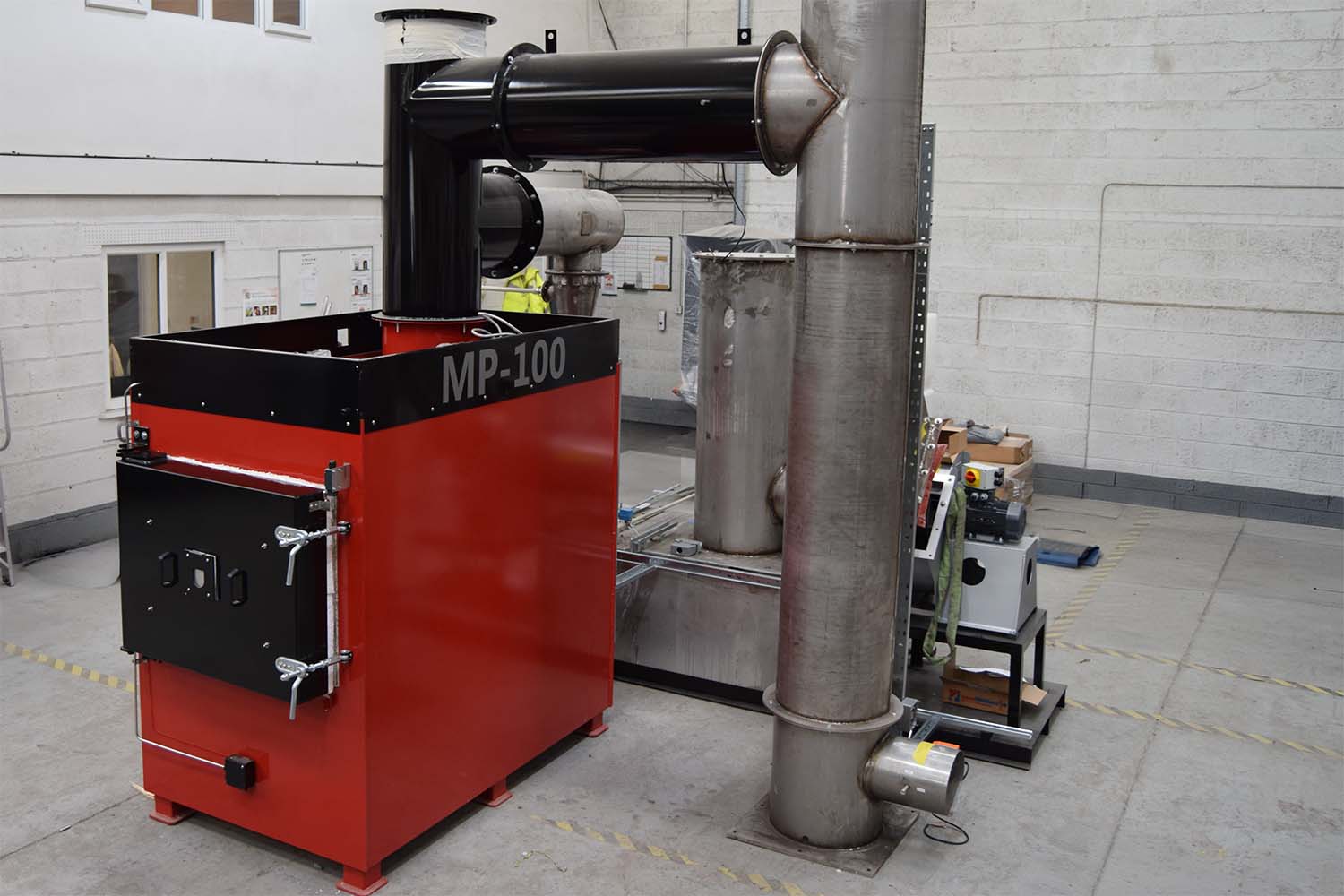
How Technology Choices Impact High-Temperature Incineration and Efficiency
Not all solutions to these problems are created equal. A key differentiator in modern systems is how they manage the critical secondary chamber temperature.
| Approach | Mechanism | Pros | Cons & Clinical/Operational Impact |
| Standalone Auxiliary Burner | A separate fuel-fired burner heats the secondary chamber. | Simple design, lower upfront cost. | High risk of temperature drop during gas surges. Can struggle to maintain >1100°C with wet waste loads, leading to incomplete combustion and potential emissions breaches. |
| Integrated Recuperative/Burner System | Uses heat from the hot flue gases to pre-heat combustion air for the secondary burner. | Improved thermal efficiency, better temperature stability than standalone. | Complexity increases. Pre-heat may be insufficient for highest, most consistent DRE during variable feed conditions. |
| Advanced Integrated Afterburner with Bypass | A high-intensity burner system often with a dedicated hot gas retention zone/combustion chamber. Can include a bypass for direct high-heat application. | Exceptional temperature uniformity and stability, capable of handling fluctuating calorific values. Ensures consistent >1100°C residence time even under load changes. | Higher initial engineering and cost. Justified by guaranteed compliance, lower fuel use over time, and maximal DRE. |
The Higher-Level Insight: Efficiency is a System, Not a Component
The most profound insight from years of field experience is that medical waste incinerator efficiency is an emergent property of the entire waste-handling system. You cannot fix a burning problem by looking only at the burner. The solution integrates:
Upstream Clinical Practices: Effective waste segregation and, where possible, dehydration or shredding.
The Machine’s Core Engineering: Robust refractory, intelligent air distribution, precise control logic, and a superior secondary combustion design.
Downstream Emissions Control: An efficient incinerator produces less burden on the scrubbers and filters, reducing their operating cost and failure rate.
Human Factor: Trained, consistent operators following strict protocols are the final, essential component.
Focusing solely on the “incinerator problem” while neglecting waste preparation or operator training is a costly, fragmented approach. The total cost of ownership is driven by system-wide synergy—or the lack thereof. Understanding the full spectrum of types of medical waste incinerators is the first step in systemic planning.
Conclusion and Path Forward
A poorly burning medical waste incinerator is a symptom with multiple potential diagnoses, ranging from feedstock issues and airflow imbalances to core design limitations. Addressing it requires moving from reactive fixes to a proactive, systemic understanding of thermal oxidation. The goal is a process that is not merely compliant, but consistently optimal—delivering maximum destruction efficiency with minimum energy input and environmental impact.
BiosafePro medical waste incinerators are engineered to meet these complex challenges head-on. Our systems are built with the lessons of decades of clinical waste management in mind, featuring advanced multi-stage air supply, monolithic refractory designs for minimal heat loss, and intelligent control systems that preemptively adjust to load variations. Most critically, our integrated high-temperature afterburner technology is designed to guarantee the stable, ultra-high temperature environment that is the non-negotiable foundation of complete waste destruction and regulatory safety.
If your current disposal solution is showing signs of inefficiency, the risk is too great to ignore. Contact BiosafePro today for a professional engineering assessment. Let our experts help you diagnose your specific challenges and transition to a disposal strategy defined by reliability, efficiency, and unwavering compliance.