


Common Medical Waste Treatment Methods
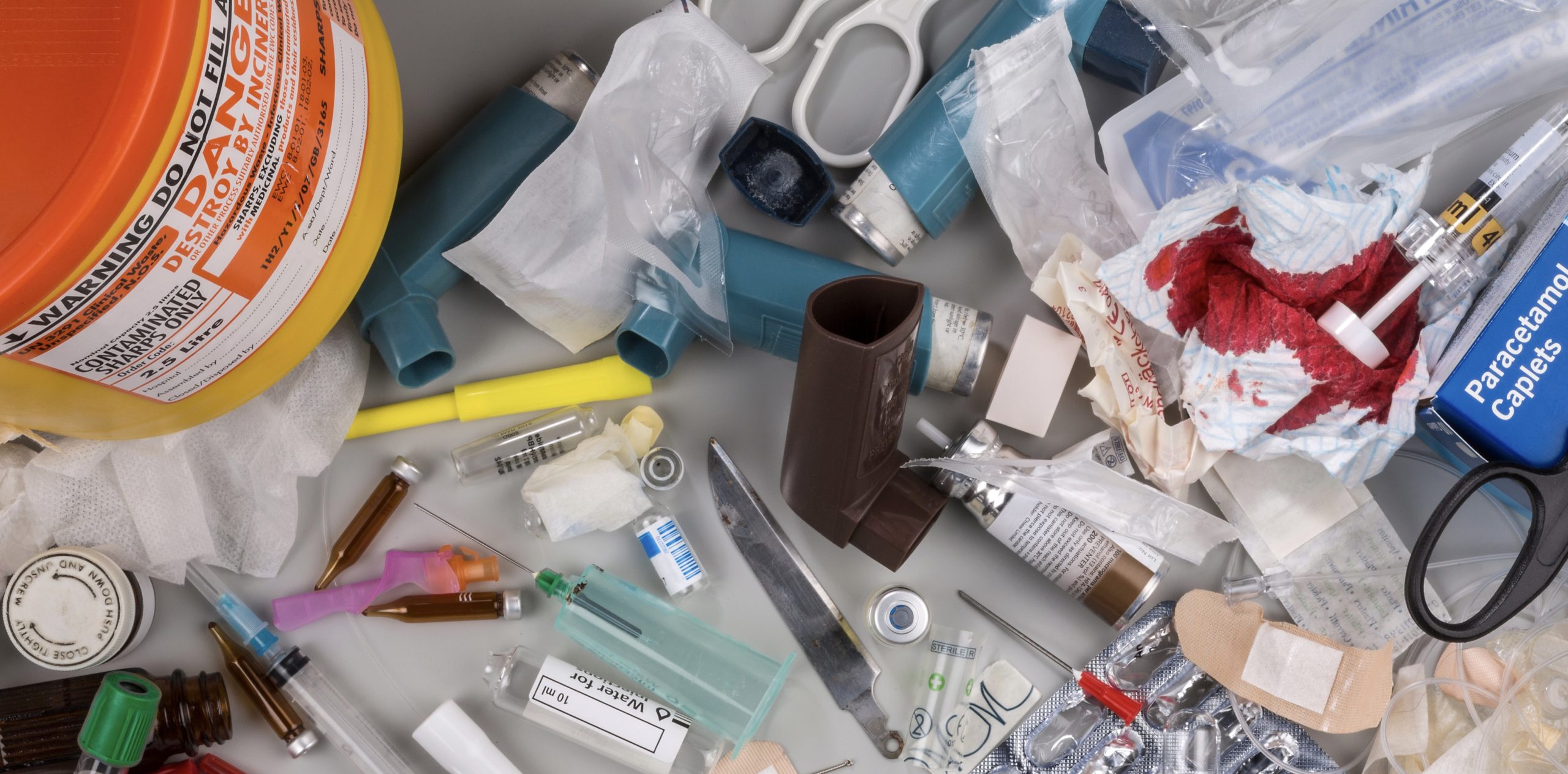
Medical waste originates from healthcare activities and requires special handling. This category includes used bandages or dressings (infectious waste), tissues or human body parts (pathological waste), needles or scalpels (sharps), unused or expired medicines (pharmaceutical waste), as well as cleaning chemicals or disinfectants (chemical waste).
Common medical waste treatment technologies used around the world include high-temperature incineration(incineration), steam-based sterilization (autoclaving), microwave disinfection (microwave treatment), and chemical treatment (using specialized reagents for decomposition).
Proper medical waste disposal is essential. It helps prevent the spread of infections, protects the environment from contamination, and ensures healthcare facilities comply with local and international regulations.
Among these methods, Autoclaves (steam sterilization) and (static, rotary, controlled air) medical waste incinerators (high-temperature destruction) are the two most widely used solutions. Both are common, but the optimal choice depends on specific conditions and the type of waste to be treated.
What Is an Autoclave? What Is an Incinerator?
(a) Autoclave
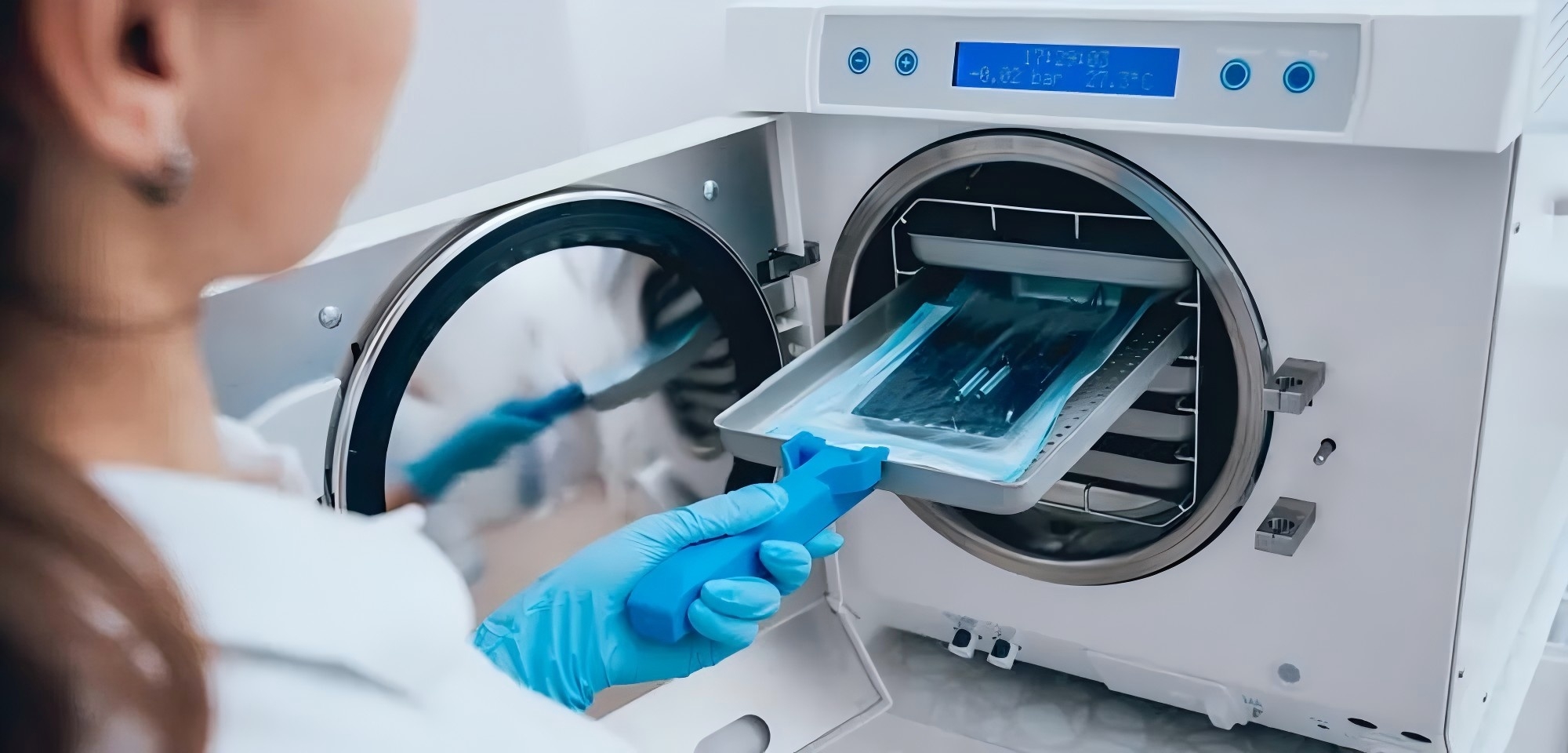
An autoclave is a device that uses high-temperature, high-pressure steam to eliminate harmful bacteria and viruses on medical instruments and infectious waste.
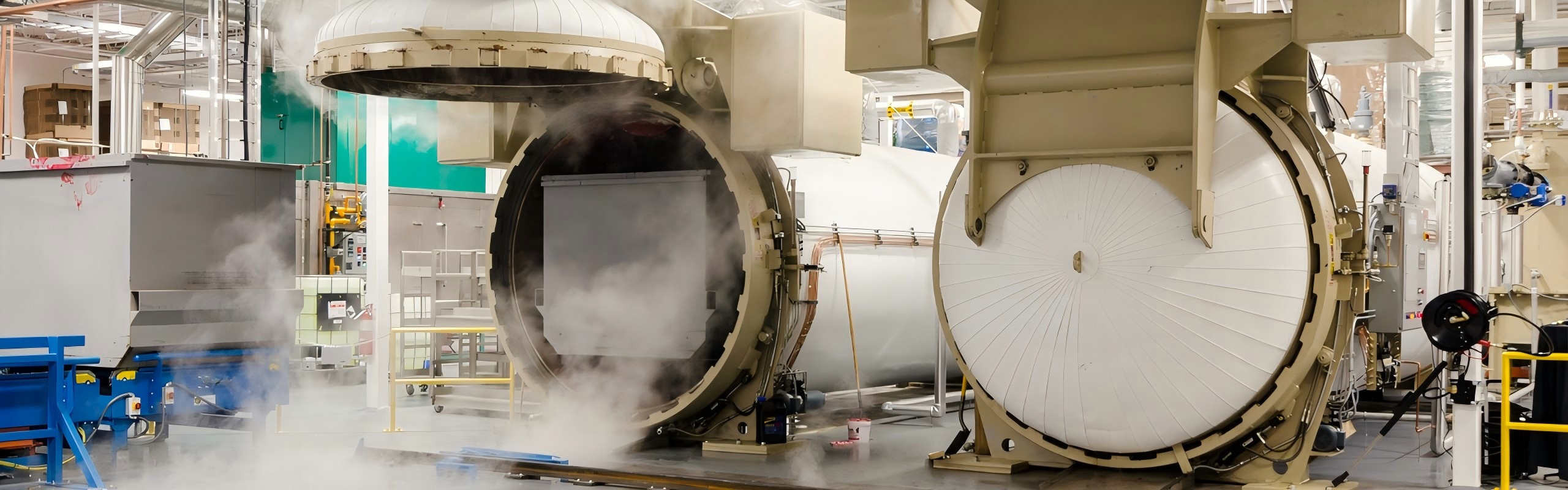
Its basic operating principle involves placing waste inside a pressure-resistant chamber (sterilization chamber), injecting high-temperature steam (usually 121°C to 134°C), maintaining a certain pressure (e.g., 15–30 psi), and keeping the exposure long enough (approximately 30–60 minutes). The heat of the steam penetrates the waste and effectively kills pathogenic microorganisms.
Key benefits include:
-It does not involve combustion, avoiding smoke and ash generated by burning.
– Environmental emissions are low.
– Operating procedures are standardized and relatively easy to manage.
Therefore, autoclaves are particularly suitable for large volumes of soft, non-metallic, infection-risk waste. They are commonly used in hospitals, medical laboratories, and small to medium clinics.
(b) محرقة النفايات الطبية
This is a system that destroys medical waste at extremely high temperatures (typically 850°C to above 1200°C). At such temperatures, organic components of the waste are oxidized into non-hazardous gases (which must pass through exhaust purification), while inorganic residues become stable ash, greatly reducing the original volume.
Different types of incinerators exist to suit different needs, including:
– Static furnace (non-moving chamber)
– Rotary incinerator (a slowly rotating drum that enhances complete combustion)
– Controlled-air incinerator (multi-stage air control to optimize combustion)
More about types of medical waste incinerators
Key advantages:
An incinerator can completely treat almost all categories of medical waste, including difficult types such as pathological waste (human tissues) and pharmaceutical residues.
Thus, incinerators are best suited for facilities managing large quantities and complex types of waste, such as large hospitals, centralized treatment centers serving multiple medical facilities, and government-operated waste treatment plants.
Comparison of Efficiency, Cost, Residues, and Compliance
| Comparison Item | Autoclave | (Static, Rotary, Controlled Air) Medical Waste Incinerator |
| Treatment effectiveness | Effectively kills nearly all harmful microorganisms | Completely decomposes and destroys all types of waste |
| Suitable waste types | Mainly infectious waste; sharps require pre-shredding | Handles almost all categories, including infectious, pathological, pharmaceutical, and some chemical waste |
| Operating cost | Relatively low (mainly electricity and water consumption) | Relatively high (continuous fuel supply and higher maintenance) |
| Residual material | Treated waste remains intact in volume and must be disposed of as general waste | Minimal residue (ash is about 5–10% of original waste volume) |
| Environmental impact | Extremely low emissions during operation; treated waste still requires landfilling | Produces flue gas that requires advanced purification systems |
| Regulatory compliance | Widely accepted for infection control; must meet sterilization efficacy | Must comply with strict air emission and environmental regulations |
| Initial investment | Lower equipment purchase and installation cost | Higher equipment and emission control system cost |
Which Method Is More Suitable for Hospitals or Laboratories?
Hospitals
Waste characteristics:
Hospitals produce large daily volumes of medical waste, including complex categories such as blood or body-fluid–contaminated dressings, sharps (e.g., syringes, scalpels), expired pharmaceuticals, vaccine residues, and pathological tissues generated during surgical procedures.
Recommended solution:
(Static, rotary, controlled air) medical waste incinerator is the more suitable choice.
Reason:
Its ability to achieve high-temperature thermal destruction enables complete treatment of all major medical waste categories—infectious, pathological, and pharmaceutical. This makes it ideal for large-scale comprehensive waste management in hospitals where both volume and variety are substantial.
Laboratories and Small Clinics
Waste characteristics:
These facilities primarily generate soft infectious waste such as microbial cultures, contaminated personal protective equipment (gloves, masks), petri dishes, pipette tips, and other plastic consumables. Sharps are typically collected in specialized safety containers.
Recommended solution:
The autoclave is the ideal choice. Using high-temperature steam, it can safely and effectively sterilize these plastic- and fabric-based infectious wastes, achieving a disinfection efficiency of over 99.9%.
Reason:
The treatment targets are highly compatible with the autoclave’s capabilities—primarily soft infectious waste. Its initial investment and long-term operating costs are lower than those of an incinerator, and its operation is comparatively simpler and safer.
Considering a Combined or Hybrid System
Some institutions—especially those involved in medical research, specialized treatment, oncology, or advanced microbiology—generate both large quantities of biological infectious waste and smaller quantities of hazardous chemical or pharmaceutical waste. For such organizations, relying on a single treatment technology may cause compliance gaps.
Recommended solution:
- A Hybrid Treatment System, where:
- Autoclave handles high-volume biological and soft infectious waste.
- A compact incinerator unit manages pharmaceutical residues, pathological tissues, cytotoxic drugs, and chemical waste that cannot be autoclaved.
This configuration achieves comprehensive waste coverage while balancing cost efficiency, safety, and regulatory compliance.
Long-Term Environmental Impact Assessment
Autoclave
Key environmental advantage:
Autoclaves do not involve combustion. Therefore, they do not produce combustion-related pollutants such as dioxins, furans, acidic gases, or particulate emissions. Direct air emissions during operation are extremely low.
Environmental limitations:
Although sterilized, the waste remains nearly the same in volume and must still undergo landfill disposal as general solid waste. This continues to place long-term pressure on land resources and requires ongoing transportation and storage capacity. Effective waste segregation before autoclaving is essential for ensuring sterilization quality and avoiding contamination.
Sustainability performance:
Autoclave operations rely primarily on electricity and water. When powered by renewable energy sources, autoclaves achieve very low carbon footprints—aligning well with the global transition toward green and low-carbon healthcare systems.
محرقة النفايات الطبية
Primary environmental challenge:
High-temperature combustion unavoidably generates flue gases, which may contain: particulate matter (PM), acid gases (HCl, SOx), trace amounts of persistent organic pollutants (e.g., PCDD/Fs)
Environmental control requirements:
It must be equipped with an advanced and continuously operating flue gas purification system (a combined series such as: electrostatic precipitator/bag filter + wet or dry acid gas removal tower + activated carbon injection adsorption device + at least two stages of high-efficiency filtration) to ensure that the final emissions comply with increasingly strict national and local air pollutant emission limit regulations. Poor maintenance or non-compliant equipment can pose significant environmental risks.
Environmental benefits:
Significantly reduces the volume of medical waste requiring final landfilling (typically by over 80–90%), with ash (approximately 5–10%) meeting standards after testing and able to be disposed of as general solid waste. High temperatures thoroughly inactivate pathogens and decompose many organic pollutants, reducing the long-term mobility and bioaccumulation risk of contaminants in the ground.
Global Practice Trends
- With stricter environmental regulations and technological advances, the new generation of incinerators focuses more on energy recovery (e.g., using waste heat for power generation or heating) and reducing energy consumption per unit of waste (energy-efficient design).
- More large medical institutions adopt environmentally optimized hybrid systems: infectious soft waste (such as dressings and culture media) is preferentially treated with autoclaving to greatly reduce the total amount requiring incineration and the pollution load; waste that must be incinerated (pathological, pharmaceutical, chemical residues, and highly resistant waste) is then processed in high-efficiency incineration units equipped with advanced flue gas purification systems. This integrated approach comprehensively reduces overall environmental impact, energy consumption, and operational costs.
Additional Environmental Considerations
Autoclaves require electricity and water for steam generation; their carbon impact depends on local energy mix.
Incinerators generate secondary hazardous waste (fly ash, spent filters, activated carbon), which requires specialized disposal.
Hybrid systems demand strong management and training to ensure accurate waste segregation and prevent cross-contamination or regulatory violations.
Recommendation: Integrating Both Technologies for Optimal Medical Waste Management
Core Strategy: Technology Allocation Based on Waste Characteristics
Primary applications of autoclaves: Should be focused on treating infectious soft waste (such as blood-contaminated dressings, microbial culture media, and protective equipment) and general medical waste (such as non-sharp plastic or rubber items).
Mandatory applications of incinerators: Strictly reserved for pathological tissues/organs, discarded pharmaceuticals/cytotoxic drugs, and chemical wastes with bioaccumulative or persistent organic pollutant characteristics.
Comprehensive Advantages of a Hybrid Treatment Solution
Significant Environmental Impact Reduction
- Pre-treatment with autoclaving reduces the total amount of waste requiring incineration → directly lowers fuel consumption (diesel/natural gas) and auxiliary energy demand.
- Reduced incineration load → significantly less flue gas requiring purification → decreases the operational burden on exhaust treatment systems and lowers potential emission risks.
Stronger Regulatory Compliance
A hybrid system simultaneously satisfies multiple regulatory layers:
– Autoclaving solutions comply with WHO “Safe Management of Wastes from Health-Care Activities” and similar infection control standards.
– Incineration units are equipped with advanced flue gas purification systems (ESP/bag filter + acid gas removal + activated carbon adsorption + HEPA) to ensure compliance with China’s GB 18484, U.S. EPA MACT standards, EU IED (2010/75/EU), and the strict limits of the Waste Incineration Directive.
Reduces overall non-compliance risk:
Prevents insufficient coverage by a single technology from causing improper disposal of specific waste categories (e.g., pharmaceuticals or pathological waste).
Strategic Value for Distributors
Product Development Positioning:
Design and promote an integrated, modular medical waste comprehensive treatment system.
Core System Components:
- Pre-treatment high-pressure steam module: Handles a high proportion of infectious/general medical waste suitable for sterilization.
- Small/medium high-temperature incineration module: Processes hazardous waste categories that must be incinerated.
- Intelligent control and tracking system: Enables waste classification management, process monitoring, and data recording (meeting audit and compliance reporting requirements).
Market Adaptation Value:
- Flexibility and scalability: Modular combinations can be customized to meet the treatment scale needs of community health centers, specialty clinics, medium-sized hospitals, and large medical groups.
- Compliance adaptation:Pre-configured systems can be adjusted according to local environmental regulations and international standards (ISO 14001, OHSAS 18001), shortening customer compliance certification timelines.
- Full Lifecycle Cost Advantage:Although the initial investment is higher than single-purpose equipment, long-term operating costs (especially fuel, hazardous waste disposal fees) and environmental penalty risks are significantly reduced → enhancing customer purchasing willingness and investment return.