

Overview of the Medical Waste Lifecycle
In any healthcare environment, daily operations generate various types of waste that require special handling. A complete and structured medical waste management system is designed to ensure that every step—from the moment waste is generated to its final disappearance—is safe and controlled. Such a system is not only necessary to comply with local regulations but also essential for protecting healthcare workers, patients, waste-handling personnel, and the shared environment.
Common Types of Medical Waste
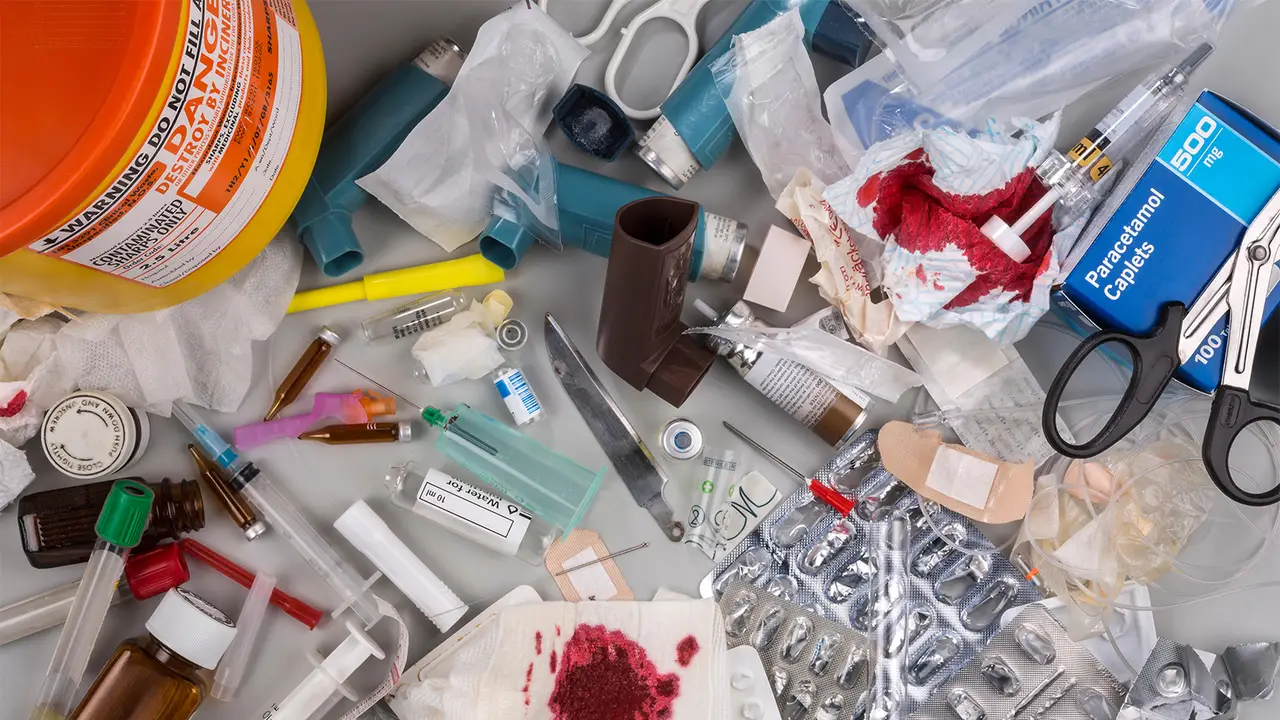
Medical waste generally refers to waste generated during healthcare activities that may be infectious, toxic, or otherwise hazardous. It is typically divided into the following categories:
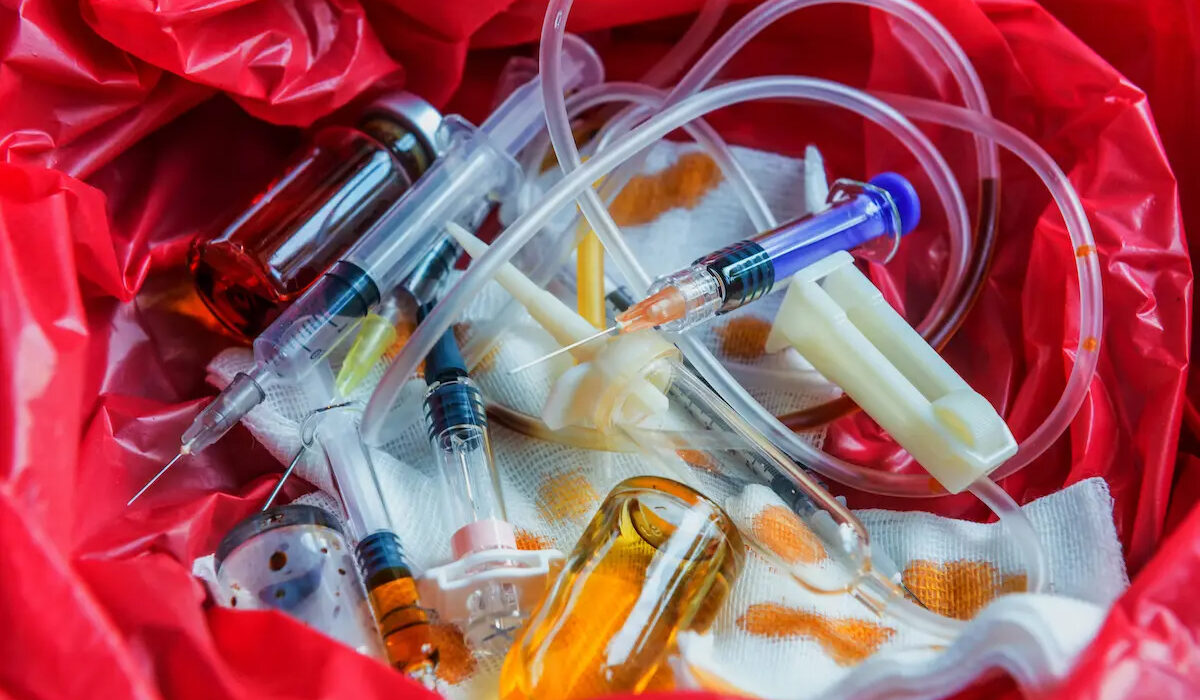
- Infectious Waste:Items contaminated with patient blood, body fluids, or other biological materials, such as gauze, dressings, gloves, and similar materials.
- Sharps:Any waste capable of puncturing the skin, including needles, surgical blades, broken glass ampoules, and similar objects. This category represents one of the highest-risk forms of medical waste.
- Pathological Waste:Primarily human tissues, organs, and related biological materials.
- Pharmaceutical Waste:Expired, contaminated, or unused medications.
- Non-Hazardous Medical Waste:General waste generated in healthcare facilities that has not been contaminated, such as office paper, food packaging, and similar items. This category can typically be handled through standard municipal waste streams.
Typical Medical Waste Lifecycle
Waste Generation: Waste is produced at the source, such as hospital wards, operating rooms, and laboratories.
Segregation at the Source: Staff immediately place different categories of waste into designated containers identified by color coding.
Collection and Sealing:Waste is gathered using color-coded collection bags or puncture-resistant sharps containers and securely sealed once they reach capacity.
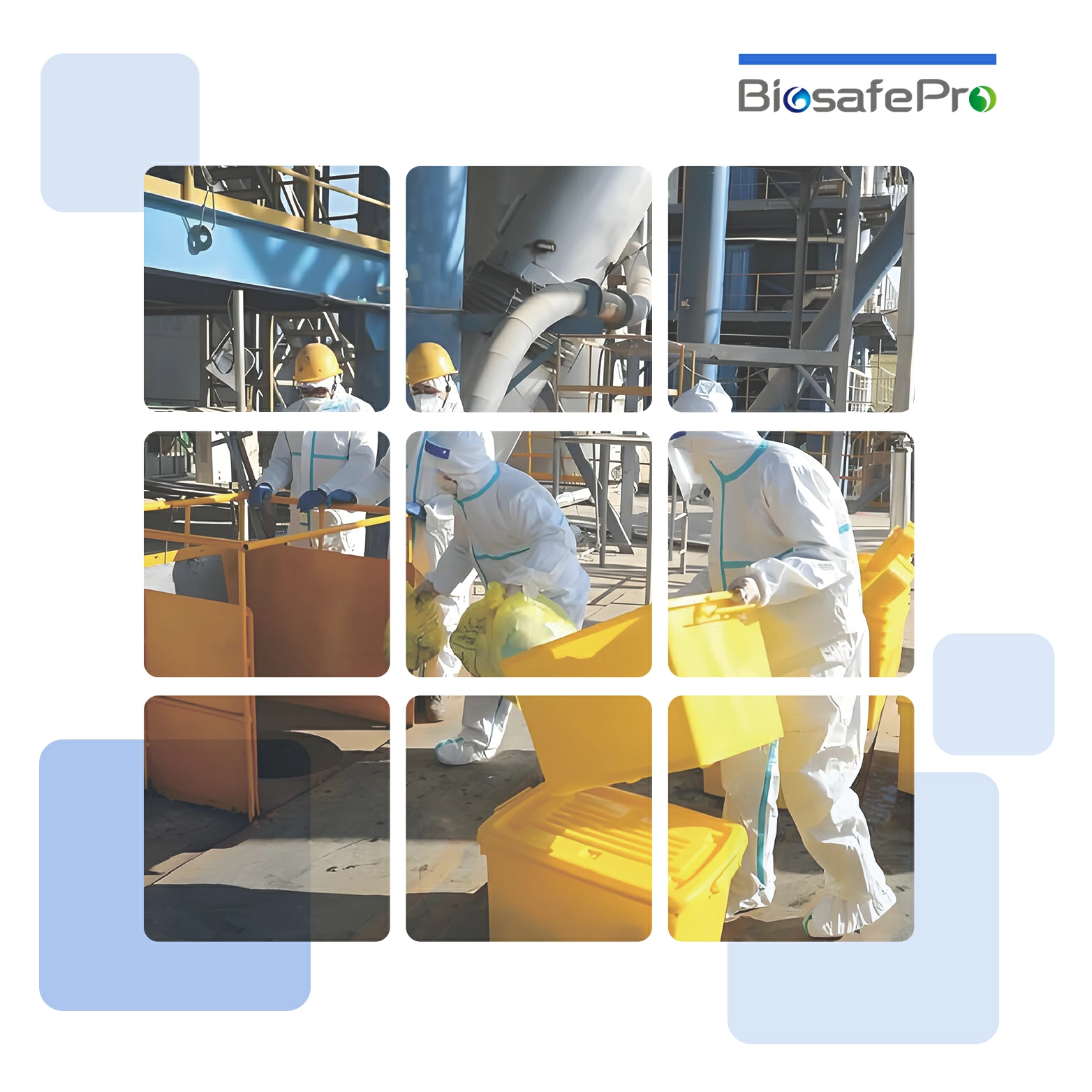
Internal Transport: Trained personnel transport sealed containers using dedicated carts along predetermined internal routes to the temporary storage area.
Temporary Storage: Waste is stored for a short period in a designated, secure, and clearly marked area within the healthcare facility.
External Transport: Licensed transportation companies use specialized vehicles to move waste to treatment facilities.
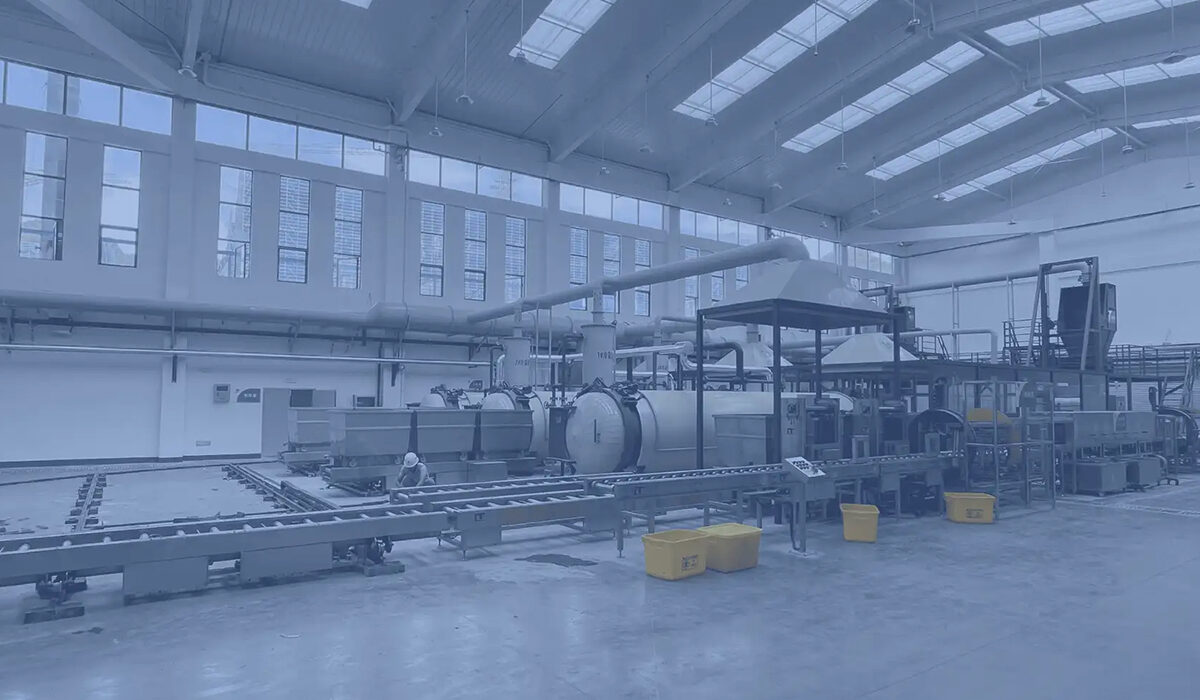
Final Disposal: At treatment facilities, waste is rendered harmless through methods such as high-temperature incineration or steam sterilization.
Risks Associated with Inefficient Collection Systems
If a medical waste collection system is poorly designed or inconsistently implemented, risks can arise at multiple stages.
A poorly managed system may allow different categories of waste to be mixed together. This can lead to cross-contamination, turning otherwise safe waste into hazardous material. It also significantly increases the likelihood of occupational exposure incidents for cleaning personnel, nurses, and physicians—such as accidental needle-stick injuries.
If leaking or improperly contained waste is not controlled, it can contaminate soil and water sources, resulting in environmental pollution.
For this reason, standardized and high-quality medical waste collection products—from color-coded collection bags to puncture-resistant containers—form the first link and the foundation of the entire safety chain. These tools ensure that waste is properly separated and sealed before leaving the healthcare facility, establishing the basis for safe and compliant downstream processes.
Segregation at the Source
The most effective and safest stage of medical waste management begins at the moment waste is generated. Correct classification at the point of generation is the most critical step in the entire process.
When this step is performed correctly, subsequent collection, transportation, and treatment can proceed safely and efficiently. When mistakes occur at this stage, they introduce risks and additional costs throughout the entire system.
Proper segregation at the source significantly improves the efficiency of the entire waste management system. By separating hazardous waste from general waste, high-risk materials receive the specialized and often expensive treatment they require, while non-hazardous waste can be handled using more economical and environmentally sustainable methods.
This approach directly reduces overall disposal costs and minimizes the volume of waste that must undergo strict hazardous-waste treatment.
- To establish a clear and universal visual standard worldwide, most healthcare systems adopt color-coding systems to identify different categories of medical waste. This simple system enables healthcare workers to make quick decisions and reduces the likelihood of confusion.
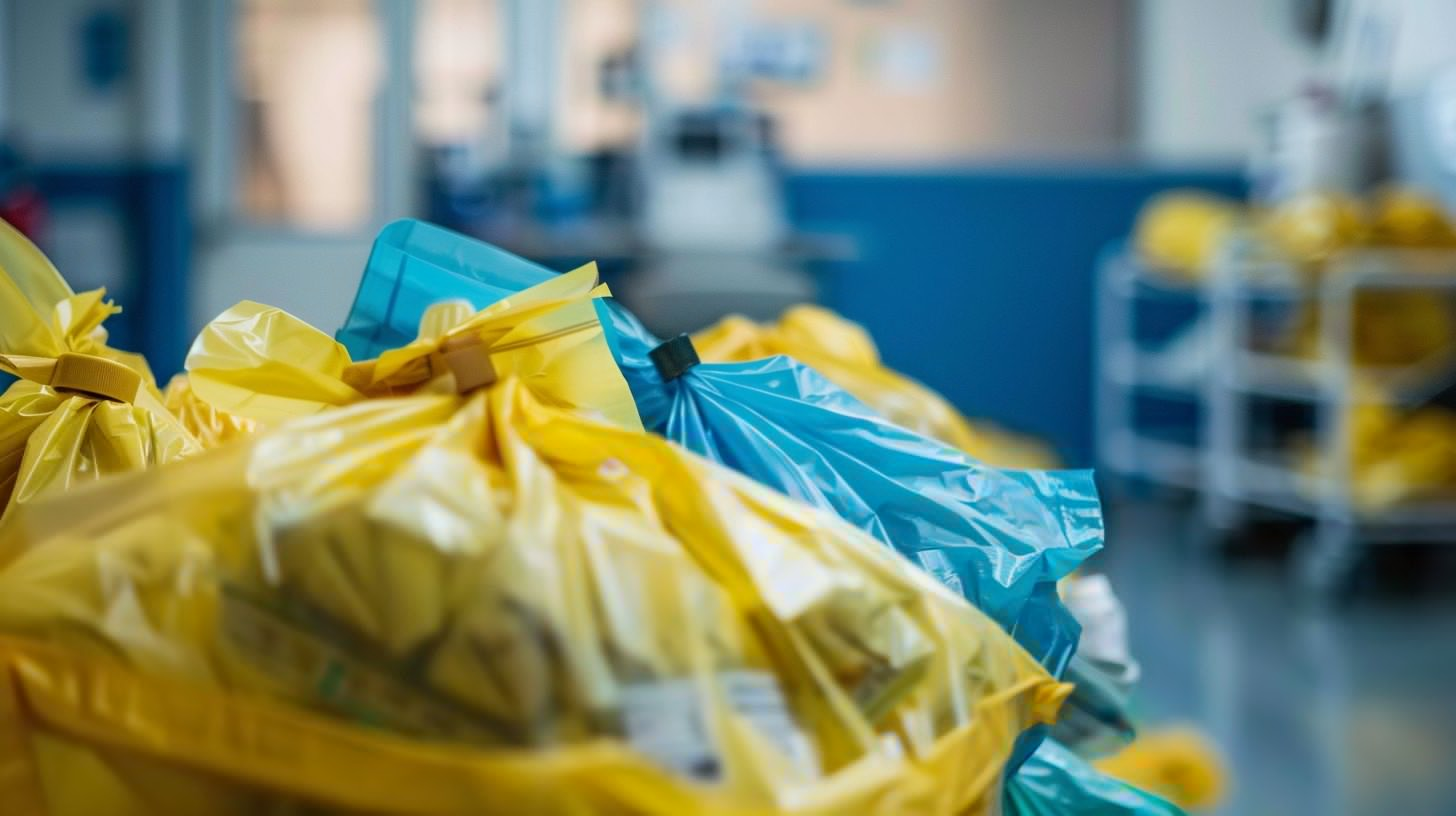
- Yellow Waste Bags:Typically used for most infectious waste, including dressings, gloves, and other materials contaminated with blood or body fluids.
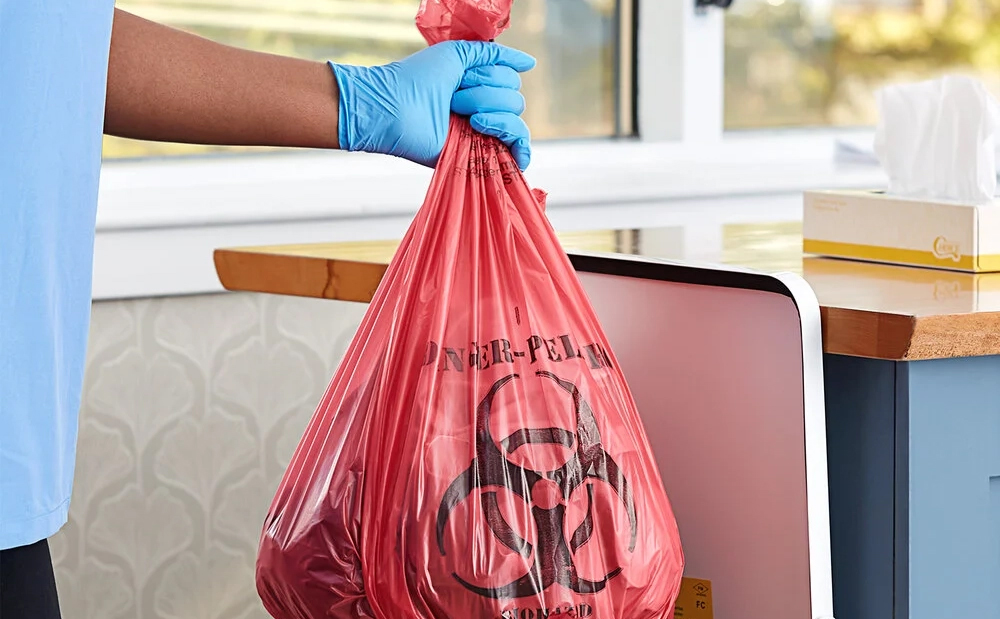
- Red Waste Bags:In some countries or regions, these are used to identify highly infectious waste or materials requiring special handling.
- Sharps Containers:Dedicated puncture-resistant containers with secure lids, usually yellow or red, used to collect needles, surgical blades, broken glass ampoules, and other sharp objects. This is a mandatory requirement, and ordinary plastic bags must never be used for sharps disposal.
- Black or Clear Waste Bags:Used for general waste generated within healthcare facilities, such as paper, packaging materials, and food waste that has not been contaminated.
In practical operations, common mistakes often arise from oversight or routine habits.
For example, used masks or gloves may be incorrectly discarded into black general-waste bags. In other cases, for the sake of convenience, items such as infusion tubing or non-sharp plastic materials may be placed into sharps containers intended only for needles.
Another frequent mistake is over-classification, where items that could be treated as general waste are unnecessarily placed into high-cost اكياس النفايات الطبية. This leads to avoidable disposal expenses.
Improving the accuracy of source segregation relies on consistent and effective management practices:
- Staff Training:All employees—both newly hired and existing staff—must receive clear and regular training on waste classification, regardless of their job roles.
- Clear Labeling:Containers should not only display color coding but also include clear visual icons or concise text explaining which items may or may not be discarded in each container.
- Proper Container Placement:Waste containers—especially those for infectious waste and general waste—should be placed together and positioned within easy reach at the point of generation, such as near treatment carts or inside patient rooms. This minimizes the temptation to discard waste improperly due to distance or inconvenience.
Integration of Collection Containers and Bags
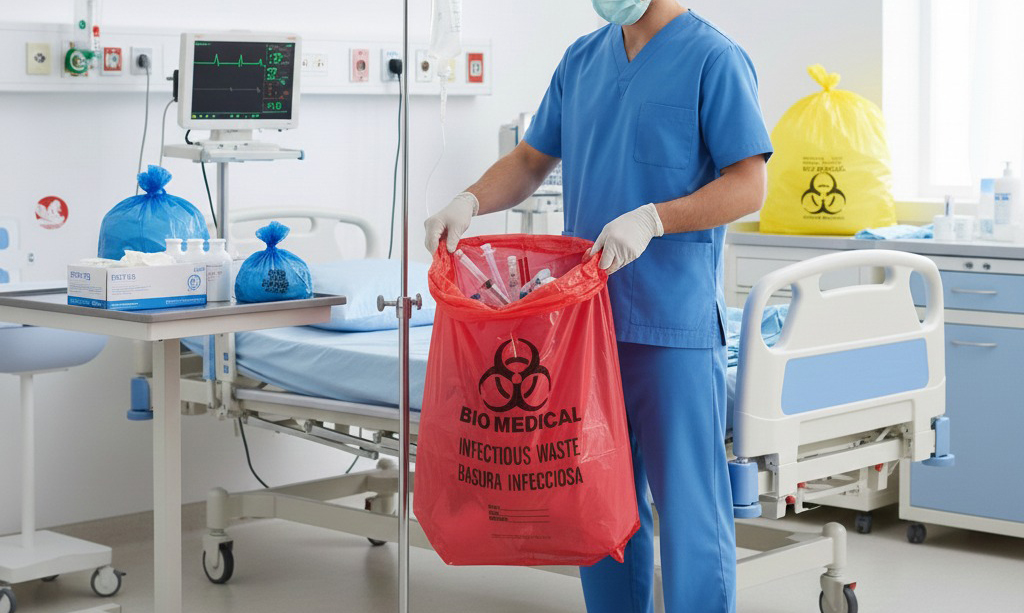
Safe containment of medical waste relies on collection bags and containers functioning together as a coordinated system. Containers provide structural support and protective housing, while the bags serve as the direct liner that holds waste and prevents contamination of the surrounding environment.
The effective integration of these two components forms the foundation for safe isolation of waste before it is moved within the healthcare facility.
Dedicated medical waste collection bags represent the first barrier against leakage. Their role is not merely to hold waste but to seal potential hazards securely.
For this reason, the materials and structural design of the bags are critical. High-strength polyethylene is commonly used, providing strong resistance to stretching and impact. Many bags incorporate reinforced puncture-resistant structures, such as multilayer co-extrusion technology or specialized grid patterns, to withstand accidental punctures from sharp edges.
Clear biohazard symbols and color-coded printing provide immediate visual warnings, helping to prevent improper handling.
Compatibility with Collection Containers
Waste bags must be fully compatible with the various types of collection containers commonly used in hospitals. This means that the bag dimensions should match the internal capacity of the container so that the bag can be securely fitted around the rim.
A properly sized bag will not slip due to being too small, nor will it create excess material that complicates sealing or wastes resources.
Common types of collection containers used in healthcare facilities include:
- Foot-Operated Waste Bins:Widely used in hospital wards, consultation rooms, and treatment areas. The pedal-operated lid allows healthcare workers to dispose of waste without touching the container, reducing the risk of cross-contact.
- Mobile Trolleys with Bag Holders:Used for moving waste between patient rooms or within centralized treatment areas. Bags are mounted directly on the frame, allowing easy disposal and quick replacement.
- Rigid حاويات حادة:Designed specifically for the disposal of needles and other sharp objects. These containers operate as independent sealed systems and typically do not require plastic liners. Their standardized opening design ensures safe usage.
Design Features that Improve Safety and Workflow
Several design features help improve both safety and workflow efficiency within the medical waste collection process:
- Simple Sealing Mechanisms:Features such as drawstring closures or adhesive sealing strips allow nurses to quickly and securely seal bags before transportation without requiring additional tools.
- Tear Resistance:Durable materials ensure that bags do not rupture during loading, movement, or sealing due to weight or friction.
- Capacity Optimization:Bag capacity is generally matched to the container size. It is recommended that bags be sealed and replaced once they reach approximately three-quarters of their capacity. This prevents overfilling, which could cause sealing difficulties or accidental rupture while also optimizing replacement frequency.
Advantages of Standardized Bag Sizes
Using standardized waste bag sizes provides direct operational benefits for hospitals. Standardization simplifies inventory management, ensures compatibility with different brands and models of containers, and allows staff to quickly replace bags without needing to check sizes carefully.
This level of consistency streamlines daily operations and reduces the risk of errors or safety hazards caused by mismatched equipment.
Transportation Standards
The transportation of medical waste serves as the bridge between the point of generation and the final treatment facility. It is typically divided into two stages: internal transportation within the healthcare facility and external transportation to licensed treatment facilities. The core objective of safe transportation is to ensure that waste remains completely sealed and controlled throughout the transfer process while minimizing the risk of personnel exposure and environmental release.
Internal Transportation Within Healthcare Facilities
Internal transportation refers to the movement of waste from clinical departments to the designated temporary storage area within the healthcare facility. Best practices include establishing dedicated collection routes that avoid areas with high patient or visitor traffic. Facilities should also implement fixed collection schedules to reduce the amount of time waste remains in clinical areas.
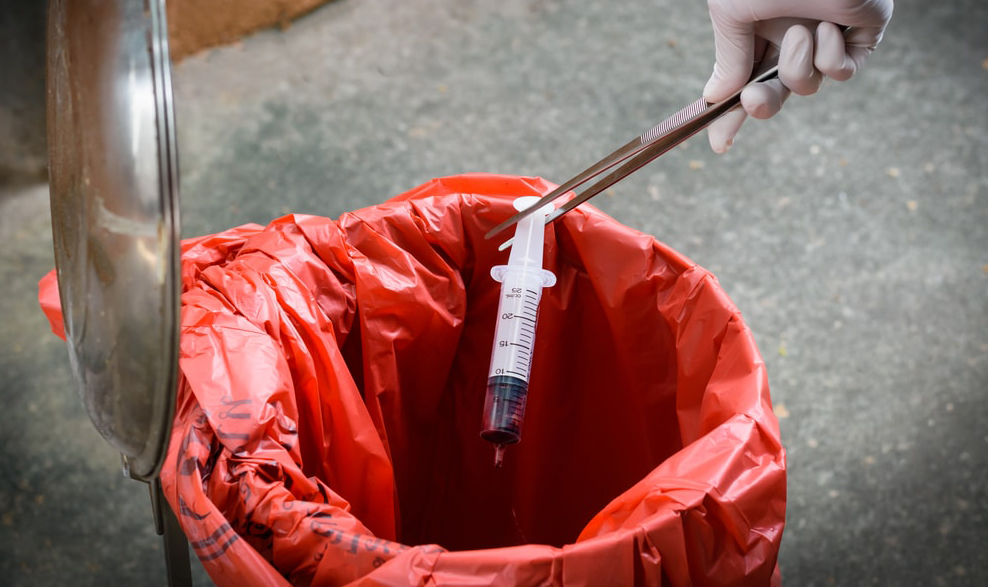
During transportation, sealed waste bags and sharps containers must be moved using dedicated carts or covered transport trolleys. These carts should be designed to securely hold containers in place so that they remain stable and protected during movement. Proper containment prevents leaks, reduces odor emissions, and minimizes accidental exposure.
Transportation Requirements for Infectious Waste
The transportation of infectious waste requires particularly strict safety measures. The most critical requirement is preventing any damage to containers or spillage of contents during handling and movement.
This means that the reliability of the Medical waste collection process at the front end—especially proper sealing and packaging—is essential before transportation begins. If bags or containers are improperly sealed, the risk of leakage during transport increases significantly.
Key Elements of Medical Waste Transportation Procedures
A complete transportation protocol within a waste management system includes several critical elements:
- Secure Sealing: Before leaving the clinical area, staff must confirm that all waste bags are tightly sealed and that sharps containers are properly locked.
- Spill Response Preparedness: Transport carts should be equipped with emergency response kits, including absorbent materials, disinfectants, spare gloves, and other protective supplies. Clear procedures should be in place so that spills can be safely contained and managed immediately.
- Labeling and Traceability: Each waste container or batch should be clearly labeled with information such as the department where the waste originated, the date of collection, and the waste category. This information supports internal traceability and also fulfills legal documentation requirements for subsequent treatment and disposal.
External Transportation to Treatment Facilities
External transportation is usually handled by licensed waste management companies that operate specialized vehicles designed for medical waste transport. These vehicles must comply with regulatory standards, including leak-proof construction and, in some cases, refrigeration capabilities depending on the type of waste being transported.
National and international regulations typically impose strict requirements regarding waste packaging, labeling, transportation documentation, and vehicle certification. Documentation such as waste transfer manifests ensures that waste can be tracked from the healthcare facility to the treatment plant, maintaining full traceability and regulatory compliance.
Importance of Transportation Planning
Transportation planning should be integrated into the overall waste management system from the beginning. It influences decisions regarding the location of temporary storage areas, the type and size of containers used, and the responsibilities assigned to staff members.
A well-integrated system ensures that medical waste moves safely, efficiently, and legally throughout the facility, preventing gaps in management and maintaining continuous control over potentially hazardous materials.
Final Disposal Methods
The purpose of the final medical waste disposal is to permanently eliminate the hazardous nature of medical waste. The appropriate disposal method largely depends on the type of waste being treated, and this decision relies heavily on correct classification during earlier stages of the Medical waste collection process.
Several treatment technologies are commonly used worldwide.
1. Incineration
Incineration involves the complete destruction of waste in medical waste Incinerator, typically operating at temperatures above 850°C.
المزايا
- Incineration can effectively destroy all pathogens, making it one of the most reliable treatment methods for hazardous medical waste.
- It also significantly reduces the weight and volume of waste, typically by approximately 70–90 percent.
Limitations
- Despite its effectiveness, incineration may produce air emissions and ash residues that pose environmental risks.
- As a result, modern incineration facilities must be equipped with advanced air pollution control systems and must comply with extremely strict emission standards.
These environmental control requirements make incineration facilities expensive to build and operate.
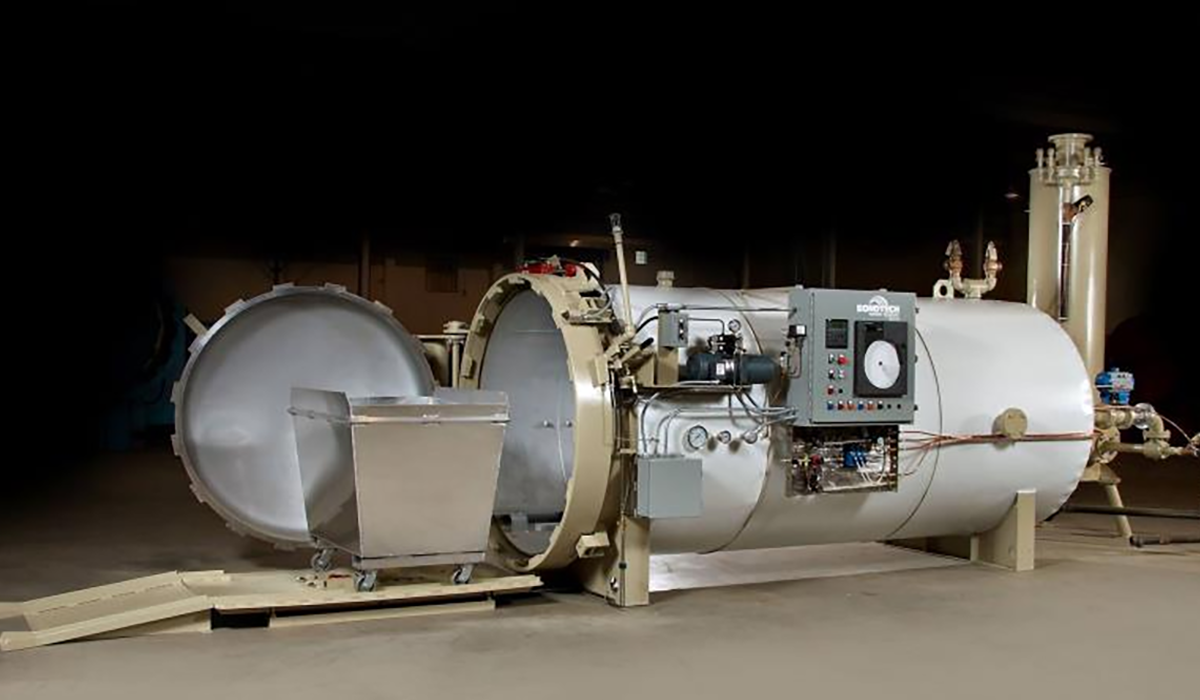
2. Autoclaving
Autoclaving uses high-temperature saturated steam under pressure to sterilize medical waste. After treatment, the waste is generally considered non-infectious and may be disposed of in landfills or undergo additional processing.
المزايا
- Compared with incineration, autoclaving has a much lower environmental impact because it does not produce harmful atmospheric emissions.
- It is widely used for treating infectious waste and laboratory waste and is considered one of the most common non-incineration treatment technologies.
Limitations
- Autoclaving cannot be used to treat chemical waste, pharmaceutical waste, or radioactive materials.
- The effectiveness of the process depends on proper packaging, correct loading practices, and adequate steam penetration.
- Autoclaving does not significantly reduce the physical volume of waste.
3. Emerging Treatment Technologies
In addition to traditional methods, several newer treatment technologies are being implemented in certain regions.
Microwave Treatment
This method uses microwave energy to heat the moisture contained in waste, thereby destroying pathogens. Microwave systems are often combined with shredding and steam treatment to enhance effectiveness.
التطهير الكيميائي
Chemical agents are used to disinfect liquid waste or waste that has been shredded into smaller particles. This method is commonly used for specific types of laboratory waste or for on-site pretreatment of certain waste streams.
The Role of Proper Classification
Correct classification during the Medical waste collection stage determines which disposal method is most appropriate. For example:
- Infectious waste that has been properly segregated can be safely treated using autoclaving or incineration.
- Sharps waste can undergo sterilization or incineration before the remaining materials are handled as general waste.
- Non-hazardous waste can be transported directly to municipal landfills or standard waste-to-energy plants at significantly lower cost.
If segregation fails at the early stage, several problems can occur. Hazardous waste may be mistakenly sent to landfills, creating serious environmental and health risks. Alternatively, ordinary waste may be processed through expensive medical waste treatment systems, resulting in unnecessary operational costs.
Therefore, proper classification at the source directly influences the safety, compliance, and economic efficiency of final disposal.
Integrated Supply for Hospitals
An increasing number of healthcare institutions are choosing integrated or one-stop Medical waste collection solutions rather than purchasing waste management products from multiple independent suppliers. This shift reflects the need to improve operational efficiency, maintain regulatory compliance, and control costs across the entire waste management system.
Challenges of Using Multiple Suppliers
Relying on multiple suppliers for waste management products often introduces several operational challenges.
Lack of Standardization
Waste bags from different manufacturers may vary in size, thickness, and structural design. When bags do not match the containers used in the facility, they may slip, tear, or become difficult to secure.
Compatibility Issues
When trolleys, sharps containers, and waste bags are sourced from different manufacturers, they may not function optimally together. Poor compatibility can create operational inefficiencies and increase safety risks.
Supply Chain Complexity
Managing multiple suppliers requires coordinating separate orders, contacts, delivery schedules, and inventory planning. This increases administrative workload and raises the risk of supply disruptions if a single vendor experiences stock shortages.
Advantages of an Integrated Supply Chain
The integrated supply chain model addresses these challenges by providing a systematic approach to waste management products.
Product Standardization and Compatibility
Suppliers offering integrated solutions provide coordinated product lines in which containers and collection bags are designed to work together. Matching dimensions and specifications eliminate compatibility concerns and improve sealing reliability as well as operational efficiency.
Simplified Procurement Processes
By working with a single supplier for most waste management consumables, hospitals can streamline procurement procedures, consolidate contract negotiations, and reduce administrative costs. Bulk purchasing may also lead to more stable pricing.
Workflow Optimization
Standardized product systems simplify training for healthcare staff and facility personnel. Consistent color-coding and clear labeling reduce classification errors, improving both safety and operational efficiency throughout the waste management process.
The Role of Modern Distributors
Modern distributors increasingly function as solution partners rather than simple product suppliers. Their role includes providing technical and operational support to healthcare institutions in several ways:
- Offering comprehensive consultation covering waste classification, Medical waste collection, transportation, and disposal planning.
- Assisting hospitals in implementing color-coding systems and standardized operating procedures.
- Ensuring that all supplied products meet current regulatory and safety requirements.
- Providing reliable logistics services and inventory management support to maintain uninterrupted supply.
In essence, integrated supply transforms medical waste management from a fragmented purchasing activity into a coordinated system management strategy. By ensuring reliability, consistency, and efficiency in the early stages of waste handling, healthcare facilities can establish a stronger foundation for safe and compliant waste management throughout the entire lifecycle.
BiosafePro Comprehensive Product System Solution
BiosafePro provides a structured and highly coordinated product ecosystem designed to support healthcare facilities across the entire waste management chain—from bedside waste generation to the point of final treatment. The core concept behind this system is to integrate safety, compliance, and operational efficiency into every stage of the Medical waste collection and handling process.
Comprehensive Product Portfolio
Segregation and Collection Containers
BiosafePro offers a full range of color-coded medical waste bags and biohazard bags designed to support standardized waste classification. These products are complemented by sharps containers of various sizes that meet strict safety standards for puncture resistance and secure closure.
The system also includes compatible waste bins and collection solutions, such as foot-operated containers and sensor-activated bins, which are designed for different clinical environments and operational needs.
Transportation and Temporary Storage Equipment
The product portfolio also includes sealed transport trolleys, large-capacity transfer containers, and dedicated storage units for temporary waste holding areas. These components help ensure that waste remains safely contained and controlled during movement within healthcare facilities.
Together, these products form a coordinated system that supports the entire waste management system, from initial segregation to safe internal transportation.
System Design Priorities
أمان
High-visibility colors and clear hazard markings reduce the risk of classification errors. Reinforced structures and reliable sealing mechanisms—such as puncture-resistant sharps containers with tamper-resistant lids—provide maximum protection for healthcare workers and waste-handling staff.
Durability
High-quality materials are used to ensure that containers maintain structural integrity under heavy loads, resist impact during transport, and remain chemically compatible with various types of medical waste. Durable construction reduces the likelihood of container damage and lowers long-term operational costs.
الالتزام بالمعايير الدولية
All products are designed in accordance with major international regulatory recommendations and regional standards. By meeting widely recognized guidelines, healthcare institutions can implement their Medical waste collection procedures with confidence in regulatory compliance.
Operational Improvements Through System Integration
A coordinated product system can significantly improve hospital operations in several key ways.
Enhanced Infection Control
Reliable sealing mechanisms, leak-resistant construction, and accurate waste classification help prevent the spread of pathogens within healthcare facilities. By maintaining proper containment, the system supports stronger infection prevention practices.
Improved Handling Efficiency
Compatibility between collection containers, waste bags, and transport equipment ensures smooth movement of waste from the point of generation to the treatment stage. Standardized systems simplify training, procurement, and inventory management.
Operational Safety and Regulatory Compliance
A system-based approach reduces the risks associated with incompatible products, inadequate sealing, or improper handling procedures. This helps healthcare facilities minimize occupational exposure risks and maintain consistent compliance with regulatory requirements.
Through this integrated ecosystem, BiosafePro transforms individual waste handling products into a unified management tool. Healthcare institutions can therefore implement their waste management policies with greater consistency, efficiency, and safety.
خاتمة
An effective waste management system relies on the smooth coordination of every stage—from correct classification at the point of generation to safe Medical waste collection, controlled transportation, and compliant final disposal. When each step functions together as part of a unified process, healthcare facilities can significantly reduce infection risks, improve operational efficiency, and maintain regulatory compliance.
In practice, hospitals benefit most from solutions that integrate waste collection bags, containers, and handling systems into a single standardized workflow. Consistent product specifications, reliable supply chains, and stable product quality help ensure that waste moves safely through every stage of its lifecycle while avoiding unnecessary operational complexity.
BiosafePro is committed to providing comprehensive Medical waste collection solutions, covering everything from high-strength waste bags to compatible containers and coordinated waste handling systems. By delivering a unified product portfolio, healthcare institutions and distributors can implement safer and more efficient waste collection processes while maintaining reliable supply and consistent performance.
Call to Action
اتصل بنا to request the BiosafePro product catalog and learn more about complete Medical waste collection solutions. Discover how an integrated system can support safer and more effective medical waste management across your organization.