


By BiosafePro Technical Editorial Team | Biomedical Waste Management Specialists
BiosafePro is a specialized medical waste equipment manufacturer dedicated to environmental decontamination technology, high-temperature steam sterilization, microwave disinfection, and chemical treatment systems for healthcare facilities, laboratories, and regional waste management operators worldwide.
Introduction: Medical Waste Autoclave vs Incinerator
Hospital procurement teams and waste treatment distributors face a critical infrastructure decision: selecting the primary technology for treating regulated medical waste (RMW). While both systems satisfy stringent bioburden reduction mandates, their underlying treatment principles, compatible waste streams, byproduct residues, stack emissions, and long-term utility overheads differ fundamentally.
Choosing between a medical waste autoclave and a medical waste incinerator cannot be made based solely on baseline equipment purchase price or cycle speed. Modern healthcare facilities generate heterogeneous waste streams ranging from biological infectious items to hazardous pharmaceutical compounds. Processing an incompatible waste stream through either technology violates statutory environmental frameworks, risks toxic emissions, or results in incomplete sterilization.
This comparative analysis examines the operational parameters, economic models, regulatory constraints, and workflow requirements necessary to determine the ideal medical waste treatment equipment for institutional and regional projects. For a foundational overview of thermal and non-thermal treatment modalities, refer to our comprehensive medical waste sterilization methods guide.
What Is the Difference Between a Medical Waste Autoclave and an Incinerator?
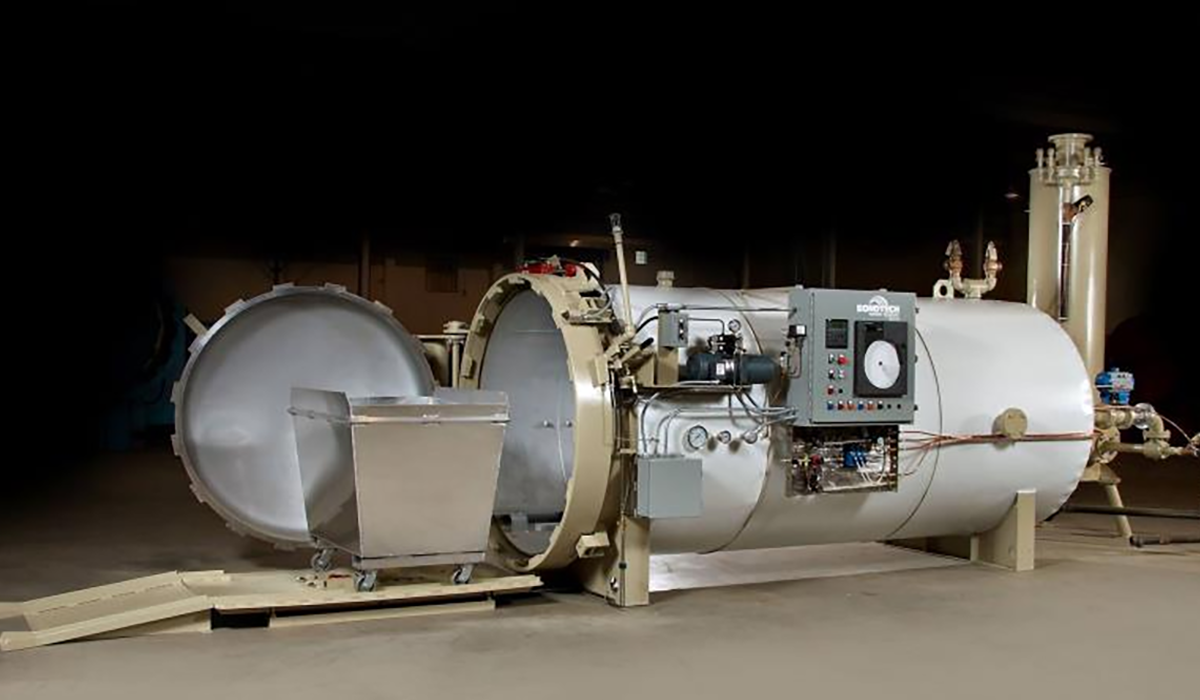
Medical Waste Autoclave
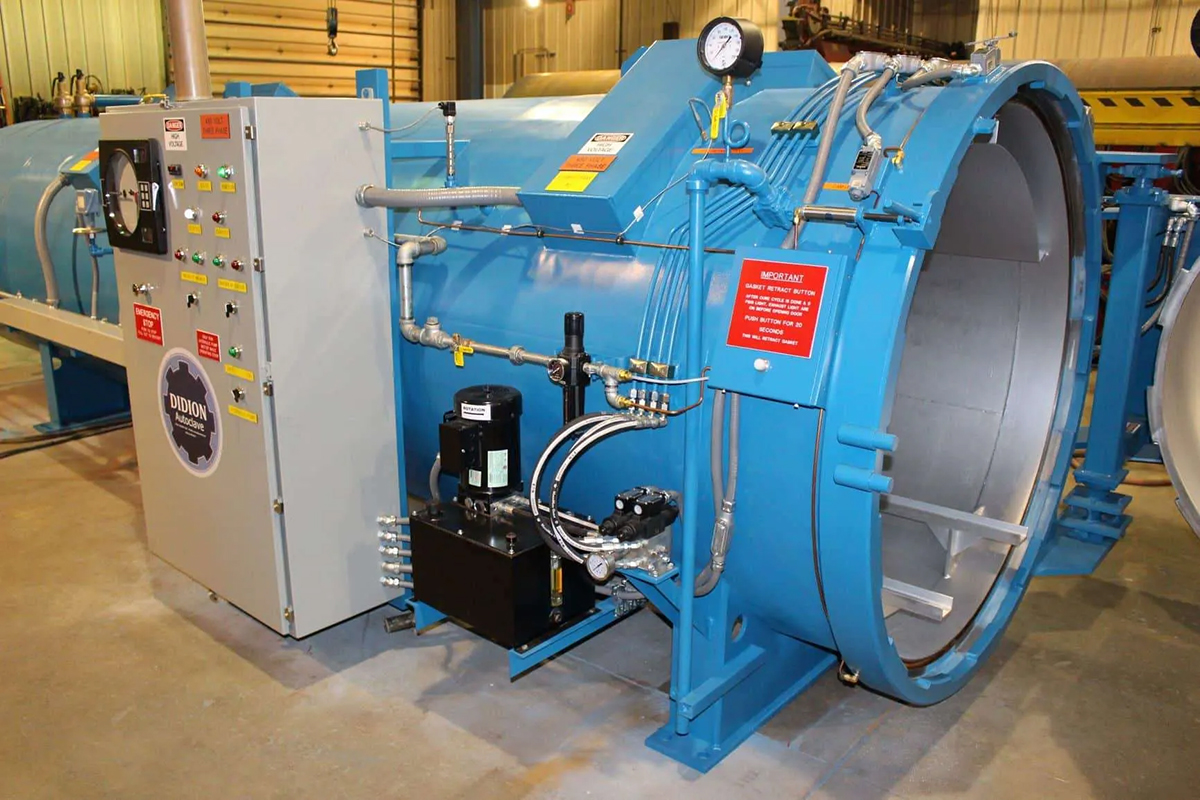
- Treatment Principle: Employs direct contact with saturated steam under controlled pressure and temperature conditions (121℃to 138℃ / 250℉ to 280℉) over a verified exposure time (typically 30–60 minutes) to achieve microbial inactivation (Source: CDC Guideline for Disinfection and Sterilization).
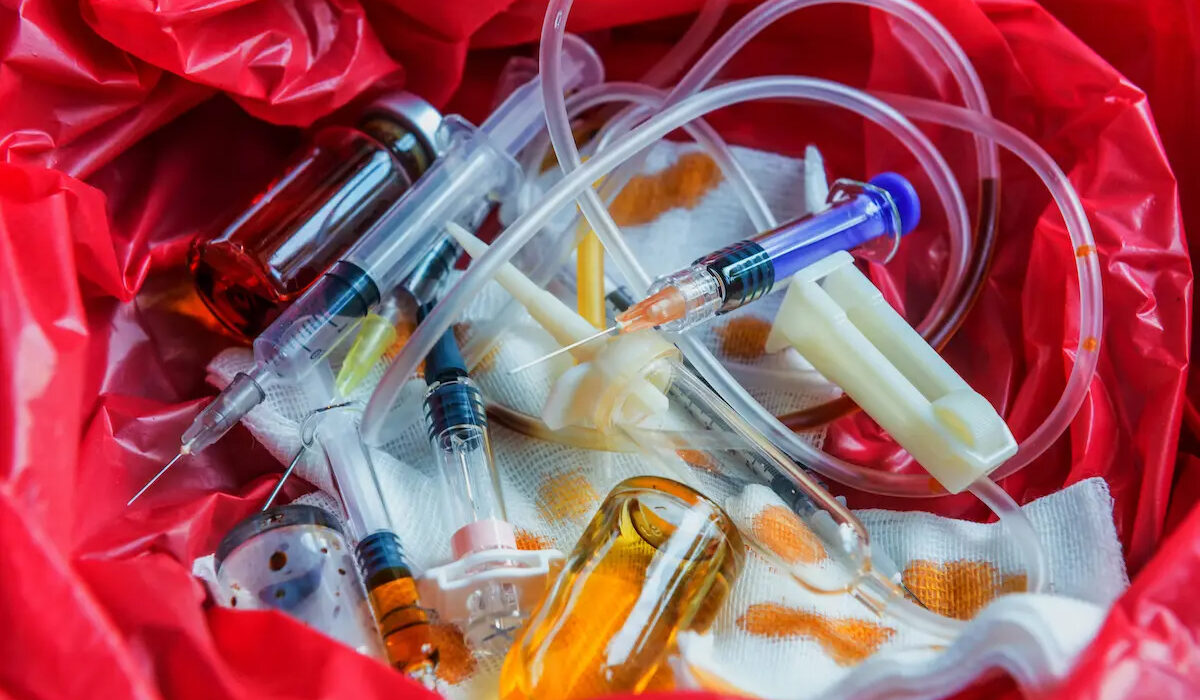
- Typical Application: Designed for biohazardous infectious waste, laboratory cultures, soft diagnostic disposables, personal protective equipment (PPE), and regulated sharps containers.
- Output: Produces non-infectious, sterilized solid waste. The physical form of the waste remains unchanged unless integrated with a post-treatment or pre-treatment mechanical shredder to achieve volume reduction.
- Procurement Focus: Chamber volume (100L to 5,000+L), vessel pressure rating (ASME/CE certified), steam generator capacity, vacuum cycle capability (pre-vacuum vs. gravity displacement), loading mechanics, and biological indicator validation ports (Geobacillus stearothermophilus). Learn more about specialized pressure vessel configurations in our detailed breakdown of medical waste autoclave types, features, and applications.
Incineradora de residuos médicos
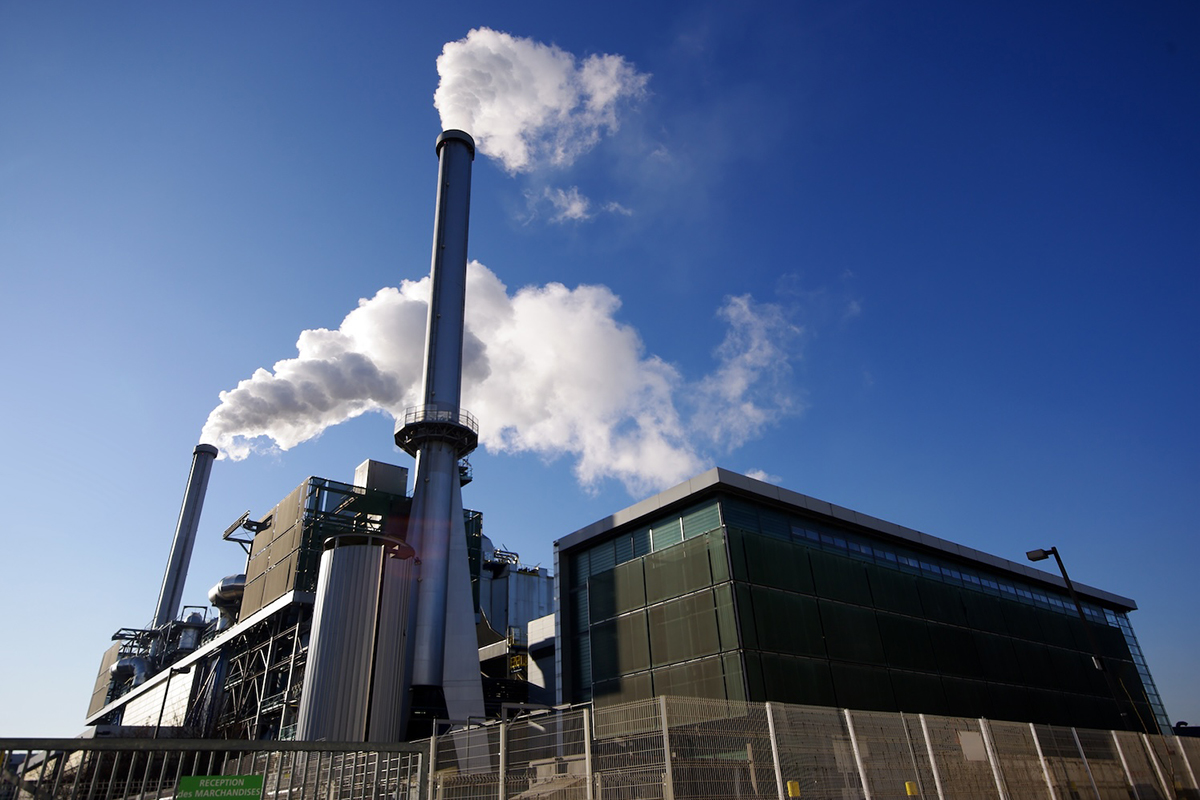
- Treatment Principle: Utilizes multi-stage controlled high-temperature oxidation (850℃to 1,200℃ / 1,562℉ to 2,192℉) in primary and secondary combustion chambers to convert organic and combustible matter into inorganic ash and flue gas (Source: UNEP Technical Working Group).
- Typical Application: Suitable for anatomical waste, pathological tissue, animal carcasses, cytotoxic drugs, expired pharmaceuticals, and trace contaminated materials that cannot be safely processed via steam sterilization.
- Output: Generates sterile bottom ash and fly ash (representing 5–10% of original mass), along with gaseous combustion products that require extensive flue gas cleaning systems (FGCS).
- Procurement Focus: Burn rate (kg/hr), primary/secondary chamber residence time (≥ 2 seconds at >1100℃for hazardous organics), auxiliary fuel type (diesel, natural gas, LPG), continuous emission monitoring systems (CEMS), and toxic fly ash containment protocols.
Key Takeaway: Facility design specifications, local municipal environmental limits, and specific waste stream inputs dictate the optimal technology. Neither system acts as a universal solution for all healthcare byproducts.
Medical Waste Autoclave vs Incinerator: Key Differences for Buyers
| Comparison Factor | Medical Waste Autoclave | Incineradora de residuos médicos |
| Método de tratamiento | Saturated steam sterilization | Multi-stage thermal combustion |
| Primary Treatment Objective | Microbe inactivation (≥ 6-log10 reduction) | Complete organic oxidation & mass destruction |
| Treated Waste Volume Change | Unchanged (Reduced 60–80% with integrated shredding) | Mass reduced by 90%, volume reduced by 95% |
| Final Residue | Decontaminated solid waste (landfill-ready) | Inert inorganic bottom/fly ash (hazardous disposal) |
| Stack & Flue Emissions | Zero combustion gases; filtered steam/condensate | Combustion gases (CO2, NOx, SO2, dioxins/furans) |
| Utility Infrastructure | High-pressure steam, softened water, electric | Auxiliary fuel line (gas/diesel), combustion air, power |
| Operational Requirements | Spore test validation, vacuum checks, seal maintenance | Refractory lining checks, burner tuning, CEMS |
| Installation Requirements | Standard indoor plant floor, drainage, ventilation | Isolated facility, tall stack chimney, scrubber plant |
Treatment Effectiveness and Applicable Waste Types
Procurement teams must evaluate equipment based on physical input capabilities rather than broad theoretical definitions. Steam sterilization relies on direct moisture contact; high-density plastics or sealed liquid containers can impede thermal transfer.
Conversely, medical waste incineration completely breaks down complex organic structures, making it mandatory for pathological materials and chemotherapy agents. However, autoclaves strictly cannot treat cytotoxic drugs, toxic chemicals, low-level radioactive materials, or volatile organic compounds (VOCs), as steam heating vaporizes hazardous chemicals into the working environment without neutralizing their molecular toxicity (Source: WHO Healthcare Waste Management Guidelines).
Waste Volume Reduction and Final Disposal
Post-treatment logistics directly impact municipal tipping fees and haulage expenditures. An un-shredded medical waste autoclave cycle renders waste biologically inert but leaves its physical volume intact (100% volume retention). When paired with heavy-duty mechanical shredders, autoclaved waste achieves a 60–80% volume reduction, allowing disposal in standard municipal solid waste (MSW) landfills.
Incineration delivers immediate 90% mass reduction and up to 95% volume reduction, producing bottom ash. However, flue gas scrubbers generate fly ash and spent chemical reagents that may classify as toxic hazardous waste under local regulations, requiring specialized landfill containment cells at higher tipping fees per ton (Source: US EPA 40 CFR Part 261).
Environmental Compliance and Emission Control
Environmental permitting mandates vary significantly between non-combustion steam systems and high-temperature thermal destruction plants:
- Incinerator Compliance: Modern environmental authorities (such as the EU Directive 2010/75/EU or US EPA Title V) impose strict limits on dioxins and furans (<0.1 ng TEQ/Nm3), heavy metals (Cd+ Tl < 0.05 mg/Nm3), and acid gases. Compliance requires multi-stage dry/wet scrubbers, baghouse fabric filters, activated carbon injection, and continuous emissions monitoring systems (CEMS).
- Autoclave Compliance: Air discharge consists of evacuated chamber air during pre-vacuum phases and vented steam. To comply with modern occupational safety standards, advanced autoclaves incorporate HEPA air filtration (≥ 0.2 µm) on exhaust ports to capture aerosols before steam discharge, alongside condensate thermal decontamination tanks (Source: ISO 11134).
Medical Waste Autoclave Cost vs Incinerator Cost
| Cost Category | Medical Waste Autoclave System | Medical Waste Incineration Plant |
| Initial Equipment Investment | $30,000 – $250,000 (Chamber, boiler, vacuum) | $150,000 – $1,200,000+ (Burners, scrubber, stack) |
| Utility Infrastructure | Water treatment, electricity, steam piping | Fuel storage tanks, high-voltage grid, scrubber lines |
| Routine Maintenance | Door gaskets, valves, pressure sensors, steam traps | Refractory lining repairs, burner nozzles, scrubber media |
| Operational Labor & Handling | Cart loading/unloading, biological indicator tests | Fuel management, continuous CEMS logging, ash handling |
| Regulatory & Permitting | Basic local discharge & pressure vessel permits | Complex environmental air permits, stack testing, CEMS |
| Long-Term Cost Drivers | Electricity prices, water conditioning, landfill tipping | Fuel costs (diesel/gas), hazardous ash disposal fees |
Which Equipment Has a Lower Total Cost?
Evaluating equipment cost requires assessing total lifecycle expenditure across a 10-to-15-year operational window, factoring in CAPEX, operating costs, maintenance, waste disposal, and compliance fees.
For a hospital processing 1,000 kg/day of standard infectious waste, a medical waste autoclave typically yields a 40–60% lower Total Cost of Ownership compared to an incinerator. The primary cost driver for medical waste incinerator cost is ongoing fuel consumption—burning 100 kg of high-moisture medical waste requires approximately 12 to 18 liters of diesel or equivalent natural gas, alongside lime and activated carbon consumables for emission scrubbers (Source: World Bank Health Care Waste Management Guidance).
However, if local landfills prohibit autoclaved waste or lack tipping capacity for bulky materials, the volume-reducing benefits of incineration may offset its higher fuel overheads. For an in-depth breakdown of hybrid technologies—such as microwave disinfection—read our technical comparative analysis on microwave, autoclave, or incineration methods.
How to Choose the Right Medical Waste Treatment Equipment for Your Project
Start with Waste Type and Daily Treatment Capacity
Equipment sizing must be derived from actual waste generation metrics rather than general bed-count estimations:
- Calculate Daily Mass: Determine average daily mass (kg/day) and peak generation surges (kg/peak hour).
- Determine Operating Shifts: Factor in facility shift hours (8-hour single shift vs. 24-hour continuous operation).
- Analyze Density & Moisture: Standard healthcare waste exhibits a density of 100 to 150 kg/m3. High moisture content (>30%) increases incinerator auxiliary fuel consumption by up to 35%.
Check Utilities, Installation Space, and Infrastructure
- Autoclave Installation Requirements: Requires a dedicated steam supply (6 to 8 bar pressure), treated soft water supply (<50 ppm hardness to prevent pressure vessel scaling), floor drain with temperature attenuation (<60℃discharge limit), and an electrical allocation of 30 to 120 kW depending on integrated steam generators.
- Incinerator Installation Requirements: Requires an outdoor footprint with safety clearance zones, fuel storage infrastructure, dedicated high-temperature stack chimney foundations, three-phase electrical connections for draft blowers, and chemical feed systems for flue gas neutralizers.
Verify Standards, Validation, and Local Approval
Before issuing tender specifications, verify regulatory requirements:
- Microbial Inactivation: Ensure the autoclave system provides a demonstrated ≥ 6-log10 reduction of Geobacillus stearothermophilus spores, adhering to STAATT Level IV criteria.
- Pressure Safety: Pressure vessels must comply with recognized international standards, such as ASME Section VIII Division 1 or the European Pressure Equipment Directive (PED 2014/68/EU).
- Air Quality Standards: Confirm whether incinerator specifications align with local environmental protection agency limits for particulate matter (<20 mg/Nm3), carbon monoxide (<50 mg/Nm3), and acid gases (Source: WHO European Centre for Environment and Health).
Consider the Complete Treatment Workflow
Selecting medical waste treatment equipment involves evaluating the entire handling chain: Waste Collection & Sorting -> Internal Logistics -> Autoclave/Incinerator -> Shredding/Ash Handling -> Landfill/Final Route.
To streamline operations, explore integrated engineered solutions like our advanced high-temperature steam treatment systems, which unite vacuum sterilization and waste management into an automated footprint.
Medical Waste Autoclave or Incinerator: Which Is Better for Different Projects?
Autoclave Preferred Scenarios
- General Acute Care Hospitals: Primary waste output consists of infectious dressings, gloves, IV tubing, and sharps.
- Urban/Suburban Facilities: Strict local air quality regulations prohibit fossil-fuel combustion emissions or stack placement.
- Targeted Operating Budget: The project prioritizes lower initial capital investment and minimized ongoing fuel expenses.
- Sustainability Mandates: Institutional goals require non-combustion green building certifications (e.g., LEED or ESG compliance).
Incinerator Preferred Scenarios
- Centralized Regional Waste Facilities: The facility accepts waste streams from multiple clinics, including anatomical, pathological, and pharmaceutical residues.
- Remote or Island Healthcare Hubs: Landfill space is strictly limited, requiring maximum waste volume reduction.
- Specialized Research Laboratories: Facilities generating hazardous research materials, animal carcasses, and cytotoxic wastes that cannot be autoclaved.
- Restricted Downstream Processing: Municipal infrastructure lacks secured landfills for non-shredded solid waste.
When Should Buyers Consider a Combined or Alternative Solution?
Large healthcare networks processing over 5 metric tons/day often benefit from a hybrid strategy rather than relying on a single equipment type. Segregating waste streams allows 85 to 90% of general biohazardous material to be processed through energy-efficient medical waste treatment technologies like autoclaving, while routing the remaining 10 to 15% of specialized pathological and pharmaceutical waste to a smaller, dedicated medical waste incinerator. This hybrid model optimizes fuel utilization and lowers overall compliance overheads.
Frequently Asked Questions
Q: Which is cheaper, a medical waste autoclave or an incinerator?
A: A medical waste autoclave typically features a significantly lower initial capital cost ($30,000–$250,000) and lower operational costs compared to a medical waste incinerator ($150,000–$1,200,000+). Incinerators require continuous auxiliary fuel consumption (diesel or natural gas) and ongoing maintenance for flue gas scrubbers, making them more costly over the system lifecycle.
Q: What capacity should I choose for a medical waste autoclave?
A: Equipment sizing depends on daily waste mass (kg/day), operating shift duration, and waste bulk density (100–150 kg/m3). A standard 500-bed acute care facility generating approximately 1.5 kg of infectious waste per bed daily (750 kg/day) generally requires a chamber volume of 800 to 1,200 liters operating across two 8-hour shifts.
Q: Can one medical waste treatment system handle all hospital waste?
A: No single system processes every medical waste category. Autoclaves effectively sterilize biohazardous infectious waste and sharps, but cannot treat chemotherapy drugs, toxic chemicals, or pathological tissues. Incinerators destroy organic and pathological wastes, but are inefficient for high-volume, non-hazardous general waste.
Q: What should I check when purchasing a medical waste incinerator?
A: Key specifications include primary and secondary chamber operating temperatures (850℃ and >1100℃), secondary chamber gas residence time (≥ 2 seconds), auxiliary fuel consumption rate, type of flue gas cleaning scrubber, continuous emission monitoring capabilities, and compliance with local air discharge regulations.
Q: Should I buy a standalone autoclave or a complete treatment line?
A: A standalone medical waste autoclave inactivates pathogens, but leaves waste physically recognizable, which may be subject to local disposal restrictions. A complete treatment line featuring integrated heavy-duty shredding reduces waste volume by up to 80%, transforming sterilized waste into an unrecognizable, homogeneous material suitable for standard municipal landfill disposal.
About BiosafePro
Founded in 2008, BiosafePro is a recognized manufacturer of advanced medical waste treatment equipment, pressure vessel sterilizers, and integrated waste shredding systems. Operating in full compliance with ISO 9001 and ISO 13485:2016 quality management frameworks, BiosafePro systems carry European CE safety certifications. Our engineering solutions are deployed across healthcare facilities, commercial waste treatment plants, and public health institutions in over 60 countries worldwide.
Ready to select the ideal medical waste treatment solution for your facility?
Contact the BiosafePro engineering team today for a tailored technical consultation, utility site audit, and competitive project quotation.
References
- ISO 13485:2016 — Medical devices — Quality management systems — Requirements for regulatory purposes.
- World Health Organization (WHO) — Safe management of wastes from health-care activities, 2nd Edition.
- S. Environmental Protection Agency (US EPA) — IDENTIFICATION AND LISTING OF HAZARDOUS WASTE (40 CFR Part 261).
- European Parliament Directive 2010/75/EU — On industrial emissions (integrated pollution prevention and control).
- CDC Guideline for Disinfection and Sterilization in Healthcare Facilities — Steam Sterilization Parameters and Spore Inactivation Protocols.