By BiosafePro Technical Editorial Team | Biomedical Waste Management Specialists
BiosafePro is a specialized medical waste equipment manufacturer dedicated to environmental decontamination technology, high-temperature steam sterilization, microwave disinfection, and chemical treatment systems for healthcare facilities, laboratories, and regional waste management operators worldwide.
Managing healthcare waste compliant with international biosafety standards requires balancing capital expenditure (CapEx), operational overhead (OpEx), occupational risk, and environmental regulations. Among thermal treatment technologies, medical waste autoclaves operating between 121℃ and 138℃ (250℉–280℉) represent the dominant non-incineration solution globally. However, facility managers face a key technical specification choice: whether to procure a standard steam sterilizer or invest in an integrated autoclave with shredder system.
This technical guide evaluates the mechanical design, energy logistics, operational total cost of ownership (TCO), and procurement criteria for integrated versus modular shredding systems.
Is a Medical Waste Autoclave with Shredder Worth the Investment?
Determining whether a medical waste autoclave with shredder justifies its higher initial capital equipment expense depends on facility space, waste stream composition, target volume reduction, and labor logistics.
When an Integrated System Is Worth the Investment
- Constrained Physical Footprint: Facilities with limited floor area benefit from a single skid-mounted footprint, combining mechanical volume reduction and steam sterilization in a unified housing.
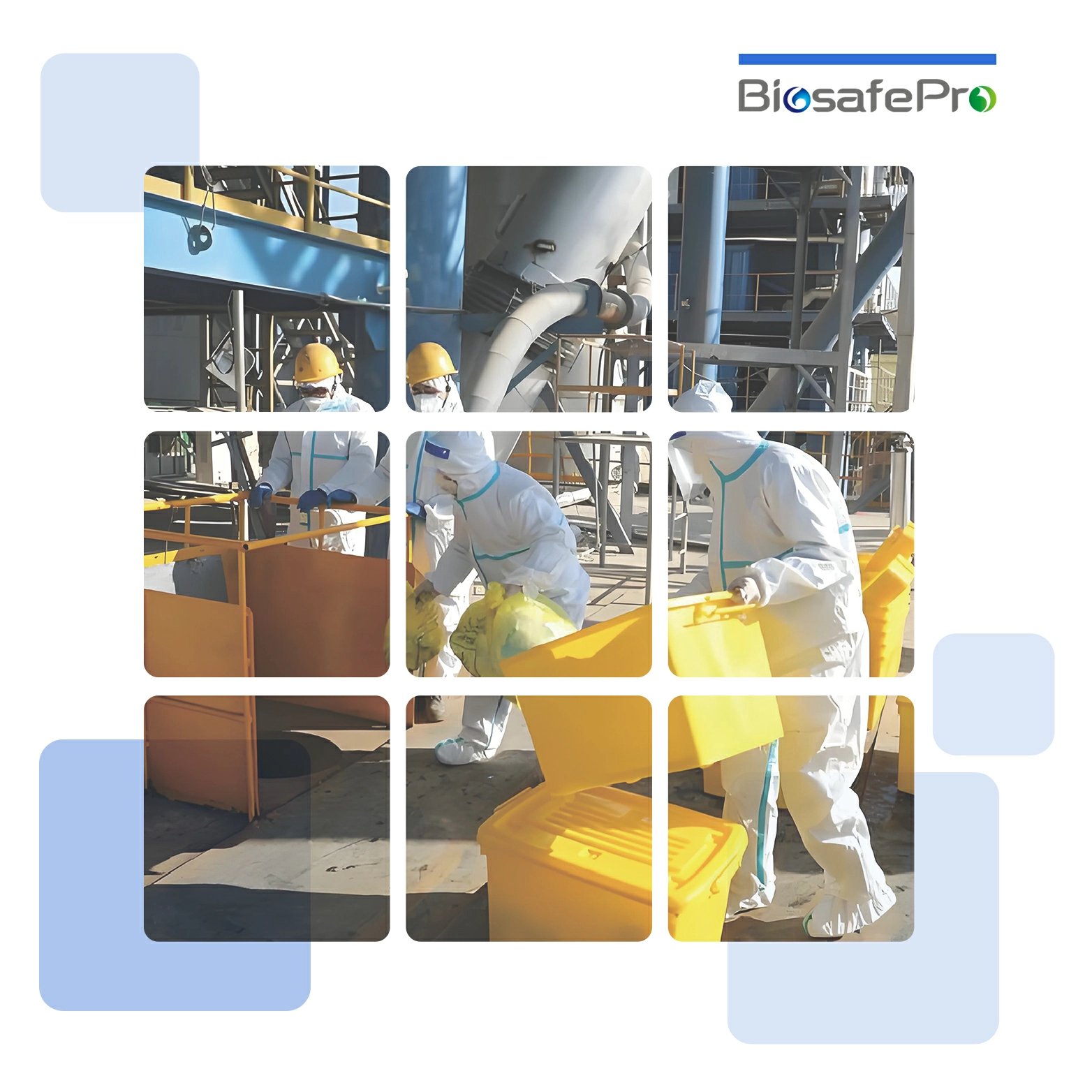
- Minimized Exposure and Handling: Processing raw waste in an enclosed chamber eliminates manual transfer between separate shredders and autoclaves, reducing aerosol exposure and needle-stick hazards for healthcare personnel (Source: OSHA Bloodborne Pathogens Standard 29 CFR 1910.1030).
- Mandatory Waste Unrecognizability: Regulations in jurisdictions governed by standards such as US EPA 40 CFR Part 60 or EU Directive 2008/98/EC require regulated medical waste (RMW) to be rendered physically unrecognizable prior to municipal landfill disposal.
When Buyers Should Exercise Caution
- High Daily Throughput & Continuous Operation: In centralized commercial facilities processing over 10 tons per day, a mechanical failure in the shredding mechanism of an integrated unit can bring the entire sterilizing operation to a halt. Separate, modular medical waste shredding systems paired with standalone autoclaves offer higher operational redundancy.
- Complex Abrasive Waste Streams: Waste containing high proportions of heavy metallic surgical tools or thick structural steel components accelerates blade wear, requiring planned maintenance down-time.
Essential Pre-Procurement Prerequisites
- Efficacy Validation: Sterilization must achieve a minimum 6-log10 (99.9999%) inactivation of Geobacillus stearothermophilus spores (Source: STAATT Level IV Criteria).
- Utility Infrastructure: High-pressure steam supply (4–6 bar), electrical capacity (up to 45–90 kW for integrated drive motors), and wastewater cooling/filtration infrastructure must be verified.
For a comprehensive comparison between thermal steam treatment and high-temperature combustion, consult our detailed analysis on medical waste autoclave vs incinerator: which is better.
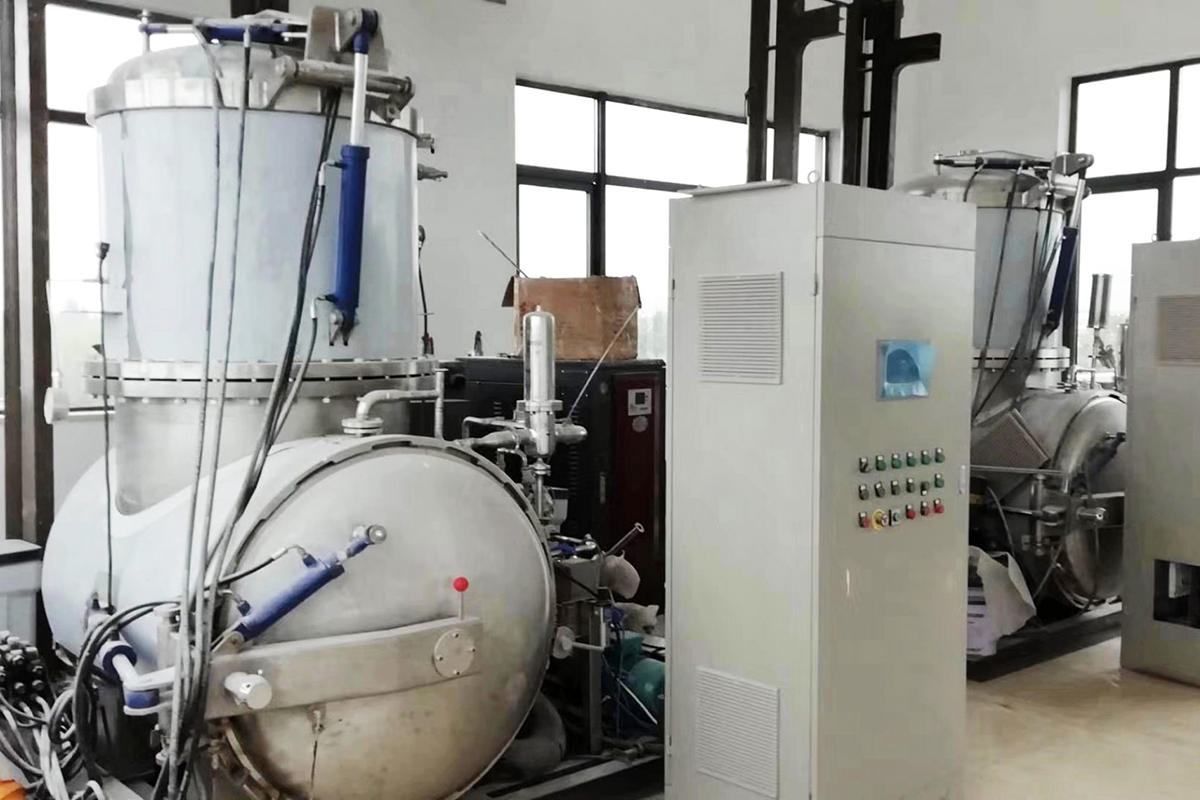
What Does an Integrated Medical Waste Autoclave with Shredder Do?
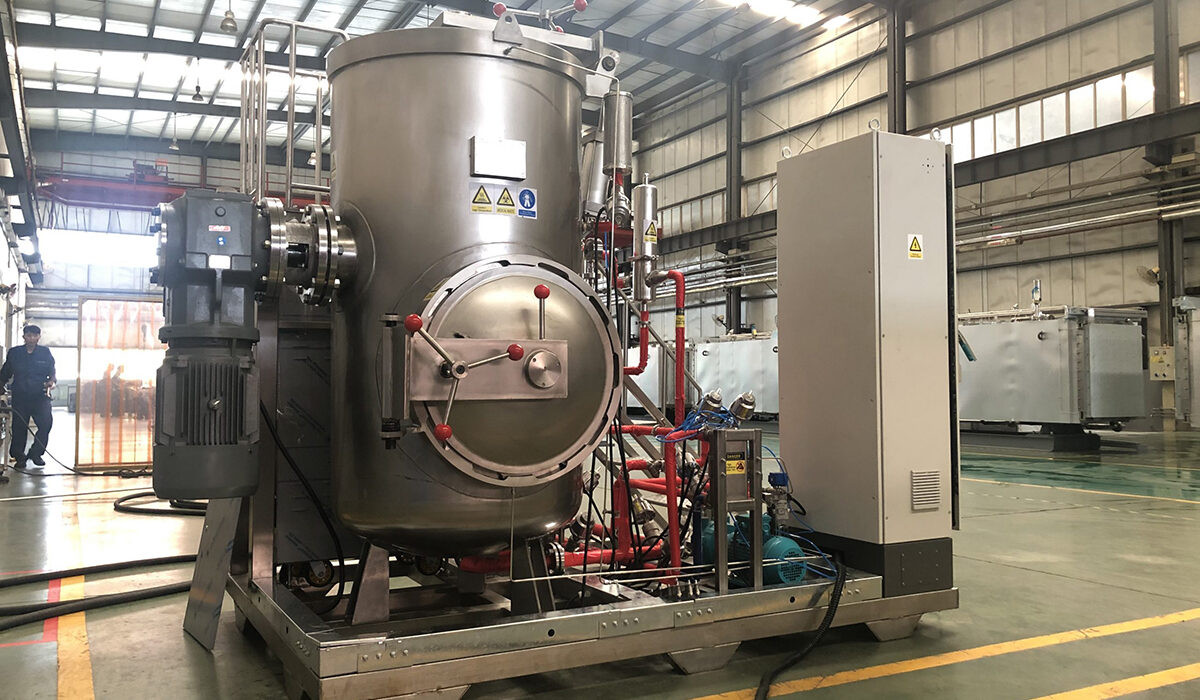
An integrated autoclave with shredder combines mechanical size reduction with saturated steam sterilization. Understanding the sequence of mechanical and thermal operations is vital for accurate equipment sizing.
1. Steam Sterilization
The core microbial inactivation relies on direct contact with saturated steam. Standard operating parameters maintain temperatures of 134℃ to 138℃ at pressures of 2.2 to 3.1 bar for an exposure time of 10 to 20 minutes (Source: ISO 17665:2024). Air evacuation via fractional pre-vacuum pulses is critical to ensure steam penetration into porous loads and narrow lumen instruments.
2. Mechanical Shredding
Heavy-duty, low-speed, high-torque dual-shaft steel shredders break down plastics, glass, textiles, and light metal components (such as scalpels and hypodermic needles) into homogenous fragments. This process reduces overall waste volume by 60% to 80%, substantially cutting off-site transport and landfill tipping fees.
3. Process Architecture: Pre-Shredding vs. Post-Shredding
- Pre-Sterilization Shredding (Internal/Integrated): Waste is shredded inside the sealed chamber before or during steam admission. This improves steam penetration efficiency into sealed bags and hollow materials, optimizing total cycle times.
- Post-Sterilization Shredding: Waste is sterilized first in a traditional chamber and subsequently transferred to a shredder. This ensures shredder maintenance technicians work exclusively on disinfected, non-infectious mechanical parts.
For a broader perspective on thermal technologies, read our medical waste sterilization methods: a complete guide.
Integrated Shredder vs. Separate Shredder: What Is the Difference?
Selecting between an integrated system and a modular, two-stage installation requires evaluating mechanical design trade-offs:
| Evaluation Dimension | Integrated Autoclave with Shredder | Separate Autoclave + Standalone Shredder |
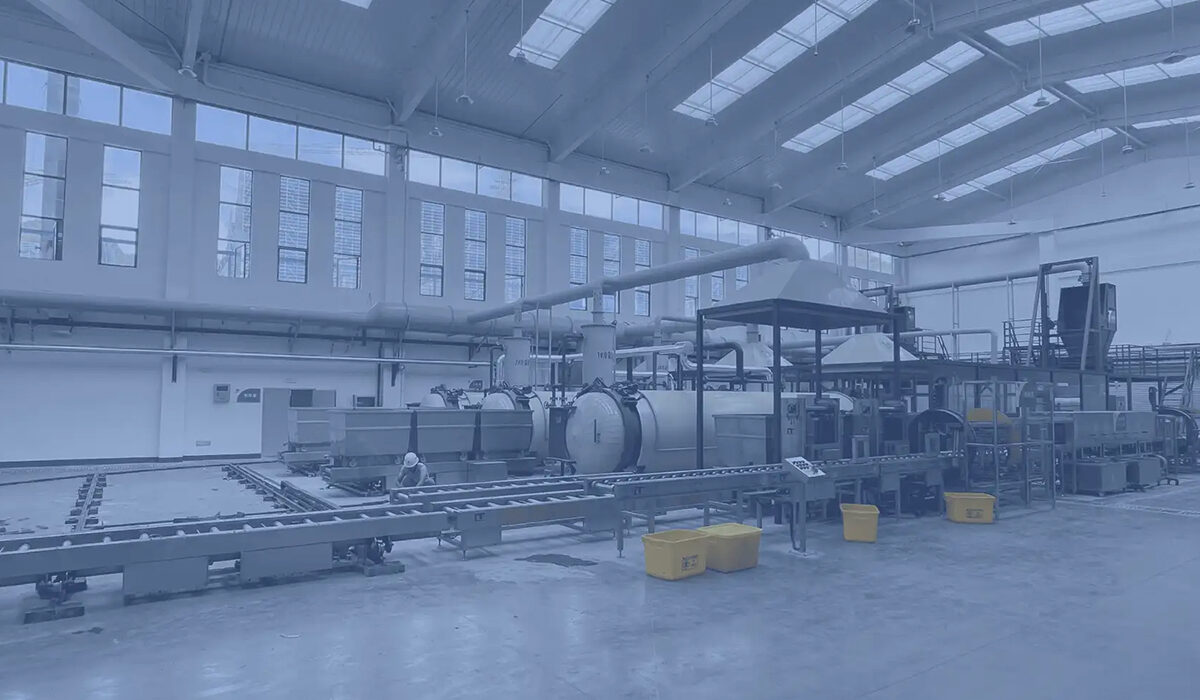
| Equipment Footprint | Compact (typically 6 m² to 15 m² floor area requirement). | Larger footprint (18 m² to 40 m² including intermediate conveyor systems). |
| Material Handling | Fully automated/enclosed within one vessel; zero manual intermediate handling. | Requires manual transfer of treated waste bins or automated conveyor belts. |
| Maintenance & Reliability | Shredder blade jam or seal maintenance temporarily halts the entire sterilizing unit. | Autoclave and shredder operate independently; maintenance on one does not freeze the other. |
| Throughput Optimization | Constrained by cycle batch volume (100 L to 1,500 L per load). | Continuous shredding can process output from multiple batch autoclaves for medical waste treatment. |
| Capital Investment | Single integrated procurement contract; lower installation and utility tie-in overhead. | Two separate machinery purchases, higher electrical distribution and civil works installation costs. |
Facilities aiming to upgrade existing non-shredding autoclaves can evaluate retrofitting or expanding via specialized high temperature steam treatment systems.
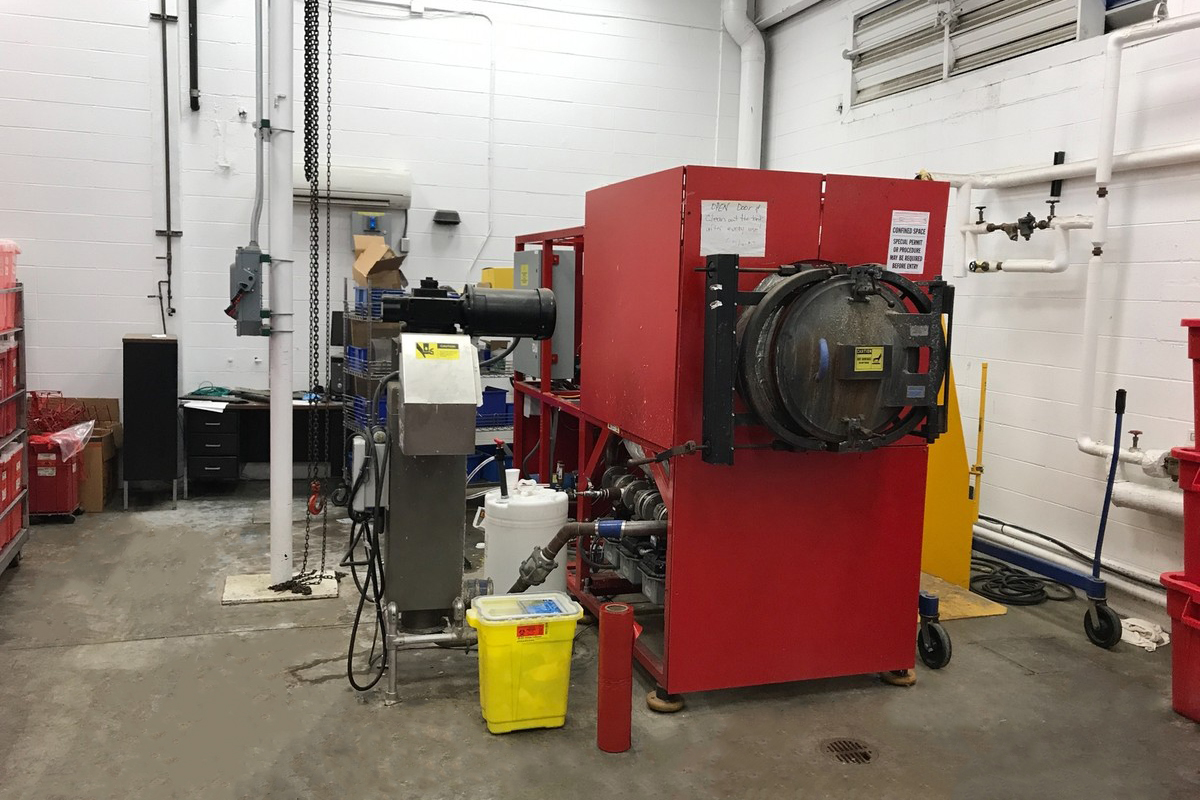
What Determines the Real Cost of an Autoclave with Shredder?
Evaluating the financial viability requires assessing life-cycle expenses rather than focusing solely on the upfront purchase price.
Initial Investment (CapEx)
Commercial medical waste autoclave prices for integrated shredder units vary based on chamber capacity and automation level:
- Small Hospital / Lab Scale (100 L – 300 L): $45,000 – $95,000 USD.
- Medium Facility (500 L – 1,000 L): $110,000 – $220,000 USD.
- Large Centralized Plant (1,500 L – 3,000 L+): $250,000 – $500,000+ USD.
Additional capital expenses include auxiliary steam generators, water softener units, effluent decontamination tanks, and carbon air filtration scrubbers.
Operating Costs (OpEx)
EXPERT PERSPECTIVE: “Energy efficiency in medical waste autoclaves is heavily governed by vacuum pump selection and steam recovery systems. The key metric for hospital utility budgeting is total energy consumed per metric ton of processed waste, rather than nominal boiler kilowatts.”
— European Healthcare Waste Management & Engineering Technical Consensus
Utility consumption benchmarks across standard operational cycles:
- Electrical Consumption: The long-tail benchmark autoclave medical waste energy consumption kwh per ton ranges between 180 kWh/ton and 320 kWh/ton, depending on integrated shredder motor power and vacuum pump configuration.
- Water Consumption: 0.5 m³ to 1.8 m³ of softened water per ton of waste (utilized for steam generation and vacuum pump seal liquid cooling).
- Labor Overhead: Integrated units require 0.5 to 1 operator per shift due to automated loading arms and PLC-controlled batch cycles.
Maintenance and Wear Parts
- Shredder Blades: High-alloy steel cutter blades (e.g., Hardox or AISI D2 tool steel) require re-sharpening or replacement every 1,500 to 3,000 operating hours, costing approximately $3,000 – $8,000 per set.
- Gaskets & Seals: High-temperature silicone chamber door gaskets require replacement every 500 to 1,000 cycles.
To understand vessel design variations, review our guide on medical waste autoclave types, features, and applications.
How to Choose the Right Capacity and Configuration
Proper equipment sizing prevents bottlenecking in hospital waste collection pathways. Sizing calculations must rely on usable load mass rather than total vessel internal volume.
Capacity Sizing Calculation Framework
To calculate real daily processing capacity, use the following engineering formula:
Daily Capacity (kg/day) = Usable Load per Cycle (kg) × [(Daily Operational Hours × 60) / Total Cycle Duration (min)]
- Usable Load per Cycle (kg): Calculated as Usable Chamber Volume (L) × Waste Density (kg/L). Unshredded loose RMW has a typical bulk density of 0.08 kg/L to 0.12 kg/L (Source: World Bank Technical Guidance on Healthcare Waste Management).
- Total Cycle Duration (min): Includes Loading (5 min) + Pre-vacuum/Shredding (15 min) + Steam Exposure (20 min) + Exhaust/Drying (15 min) + Unloading (5 min) = 60 minutes total.
Utility Verification Checklist
- Electrical Power: 380V–415V 3-Phase, 50/60 Hz, 30 kW to 110 kW connected load.
- Steam Supply: Integrated electric boiler or external plant steam at 4.0 to 6.0 bar (145℃to 160℃).
- Drainage Infrastructure: Effluent temperature neutralization system to cool discharged condensate below 45℃prior to entering municipal drains (Source: EN 1717 Compliance Guidelines).
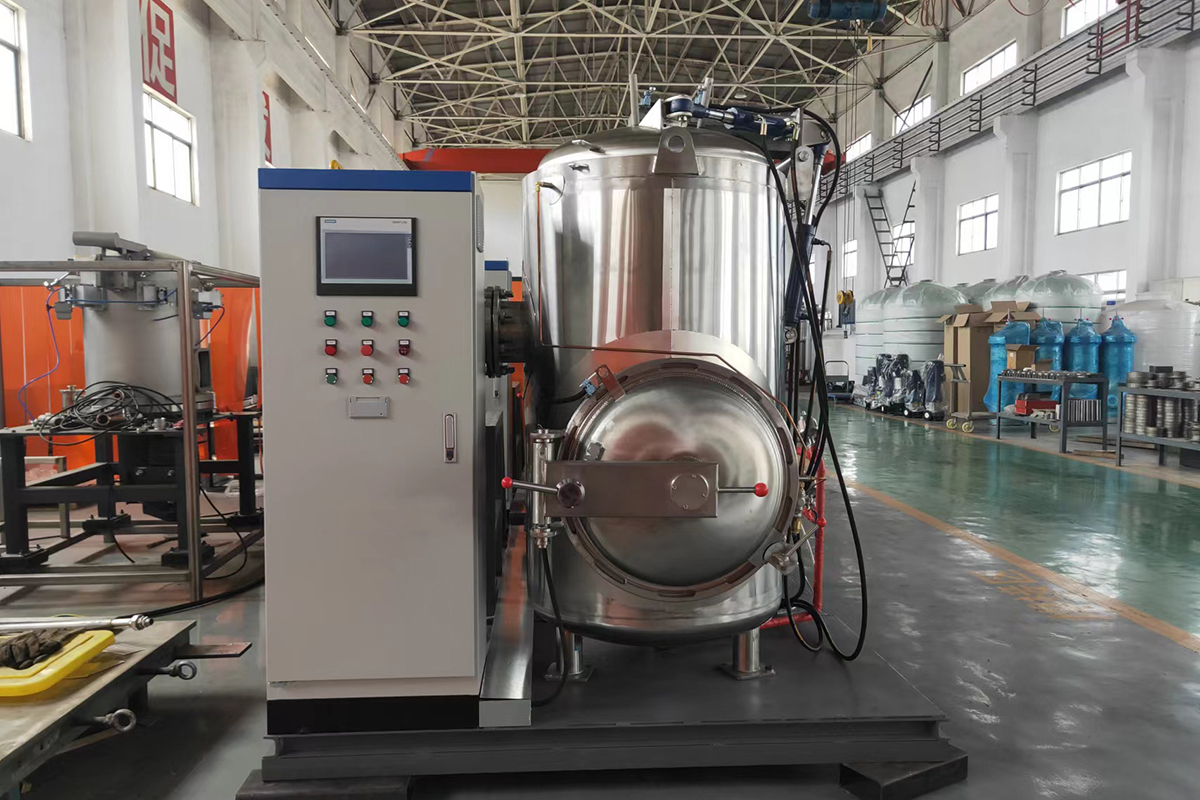
What Should Buyers Check Before Placing an Order?
Prior to issuing a Purchase Order (PO) or responding to a public hospital tender, procurement committees should request the following technical documentation from manufacturers:
Microbiological & Biological Efficacy Validation
- Request 3rd-party laboratory test reports verifying a 6-log10 reduction of Geobacillus stearothermophilus ATCC 7953 or ATCC 12980 spores.
- Verify compliance with international standards such as ISO 11134 or DIN 58951.
Mechanical Design & Safety Protections
- Blade Metallurgy: Ensure cutter shafts utilize hardened alloy steel with a minimum hardness rating of HRC 56–60.
- Safety Interlocks: Confirm double door interlocks prevent chamber opening while pressurized (>0.1 bar) or elevated in temperature (>80℃) in accordance with Pressure Equipment Directive (PED 2014/68/EU) or ASME Section VIII Div 1.
- Auto-Reverse Function: Verify that the shredder control logic includes automated reverse cycles to clear torque overloads caused by dense metal objects.
Regulatory Documentation & Factory Acceptance Tests (FAT)
- Manufacturing Quality System: ISO 13485:2016 certification for medical device quality management systems.
- CE Marking / Medical Device Registration: Compliance with Medical Device Regulation (MDR EU 2017/745) or localized FDA 510(k) clearances where applicable.
Frequently Asked Questions (FAQ)
Q: What is the difference between an autoclave with a shredder and a standard medical waste autoclave?
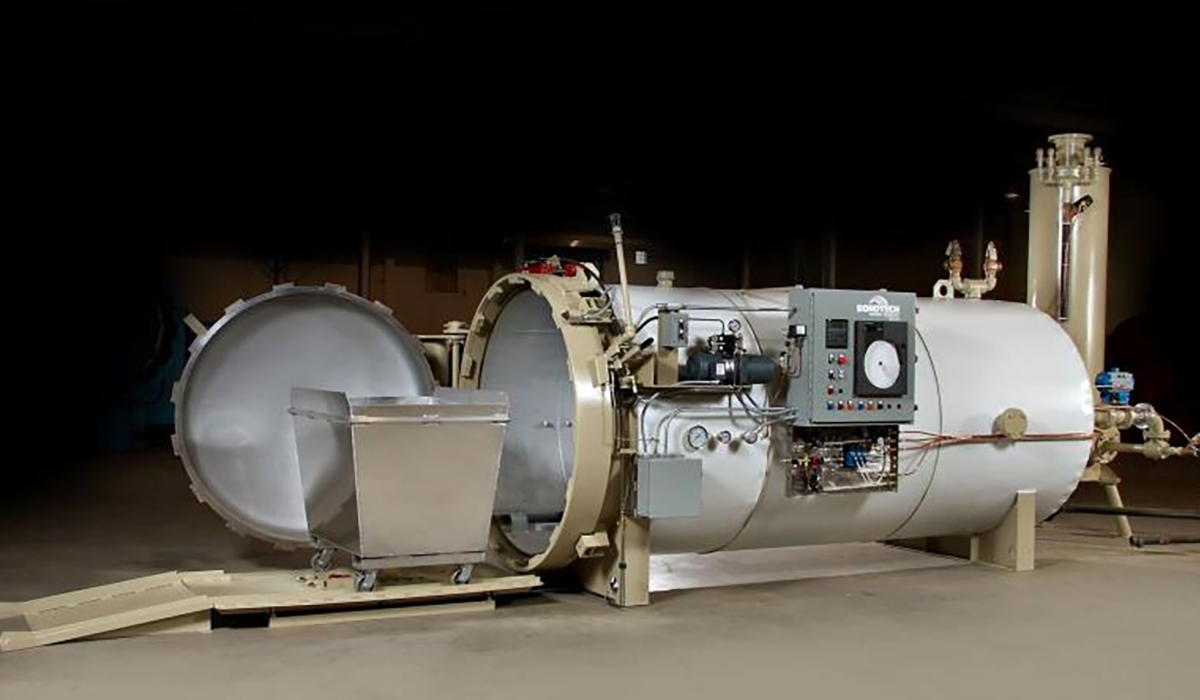
A: A standard medical waste autoclave uses high-pressure steam to sterilize intact waste, retaining its original size and appearance. An integrated autoclave with a shredder combines mechanical cutting with steam sterilization within the same system, reducing final waste volume by up to 80% and rendering the processed waste unrecognizable.
Q: Is pre-shredding or post-shredding better for medical waste treatment?
A: Pre-shredding breaks open bags and containers prior to or during steam injection, allowing steam to penetrate the load rapidly and shortening cycle times. Post-shredding processes waste after sterilization, ensuring maintenance personnel handle non-infectious components, though overall cycle times may be slightly longer due to lower initial steam penetration speeds.
Q: Can an integrated medical waste autoclave handle sharps and plastic medical waste?
A: Yes. Dual-shaft, high-torque shredders are designed to shred plastic syringes, polypropylene containers, IV tubing, blood bags, and stainless steel sharps (such as scalpels and needles). Heavy surgical instruments or large steel plates must be segregated to prevent blade jamming.
Q: Does a medical waste autoclave with shredder eliminate the need for incineration?
A: For non-pathological regulated medical waste (RMW)—including sharps, infectious plastics, dressings, and laboratory waste—autoclaving with shredding replaces incineration. However, pathological waste (anatomical human remains) and hazardous chemical or pharmaceutical waste generally still require high-temperature incineration under global biosafety standards.
Q: Can an autoclave with shredder process different types of medical waste in the same cycle?
A: Yes. Mixed infectious waste streams containing soft textiles, rigid plastics, glass vials, and metal needles can be processed simultaneously, provided the waste mixture falls within the torque ratings of the mechanical shredder and does not contain toxic chemical residues.
About BiosafePro
Founded in 2010, BiosafePro is a manufacturer of medical waste treatment equipment, infection control systems, and central sterile supply department (CSSD) solutions. Operating under ISO 13485:2016 and ISO 9001:2015 certifications, BiosafePro manufactures high-temperature steam autoclaves, integrated shredder systems, and effluent decontamination plants. Our systems hold CE certifications and are deployed across hospitals, laboratories, and commercial waste treatment hubs in over 60 countries.
Evaluating centralized or on-site medical waste treatment solutions for your facility? Contact BiosafePro Engineering Experts today to request customized sizing calculations, complete technical specifications, or factory-direct price quotations.
References
- World Health Organization (WHO): Safe Management of Wastes from Health-Care Activities, 2nd Edition.
- ISO 13485:2016: Medical devices — Quality management systems — Requirements for regulatory purposes.
- ISO 17665:2024: Sterilization of health care products — Moist heat — Requirements for the development, validation and routine control of a sterilization process for medical devices.
- OSHA Standard 29 CFR 1910.1030: Bloodborne Pathogens Standard, U.S. Occupational Safety and Health Administration.
- State and Territorial Autonomous Authorities Treatment Technologies (STAATT): Level IV Biological Indicator Microbial Inactivation Criteria.